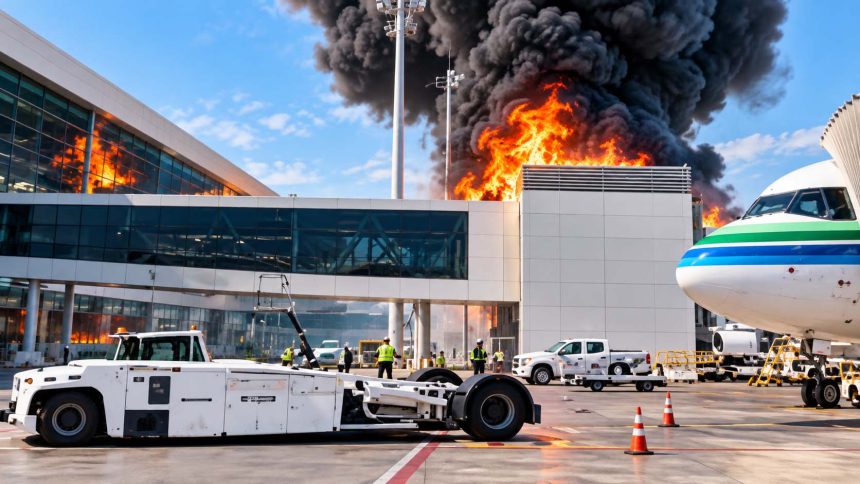
At least 12 people have been killed and 309 others injured following a deadly attack on King Khalid International Airport in Riyadh, the capital of Saudi Arabia, prompting renewed fears of a wider escalation in the conflict involving Yemen’s Houthi movement and Saudi-backed forces.
Saudi Arabia’s General Authority of Civil Aviation confirmed the casualties in a statement issued on Sunday, October 11, following Saturday’s attack. Several of the injured were reportedly in critical condition, while authorities continued assessing the extent of damage to airport facilities.
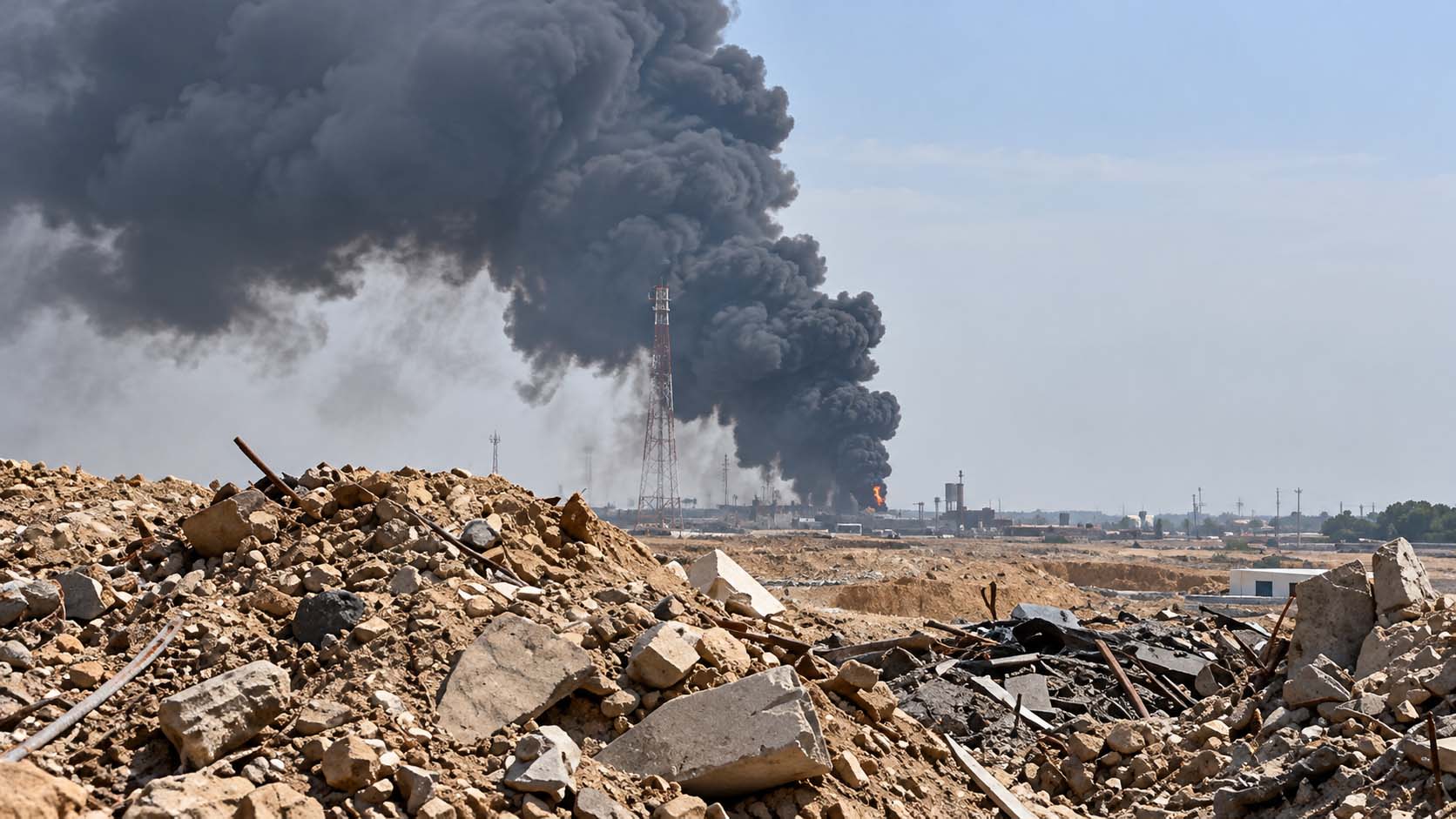
Victims Include Saudi and Foreign Nationals
According to the Saudi civil aviation authority, the victims comprised four Saudi citizens, two Bangladeshi nationals, and one citizen each from the United States, Jordan, Palestine, Syria, Sudan and Egypt.
The attack reportedly struck a passenger terminal, leaving travelers and airport personnel among those affected. An eyewitness quoted in the initial report described scenes of panic as people ran for safety, while emergency responders rushed to the airport to evacuate and assist the injured.
More Read

The incident has raised serious concerns about the safety of civilian aviation facilities amid the escalating hostilities in the region.
Airport Operations Suspended as Flights Are Disrupted
Operations at King Khalid International Airport were suspended following the attack as authorities assessed the damage and worked to establish the safety of the facilities.
Several airlines reportedly cancelled or diverted flights to and from Riyadh, while aviation tracking information indicated widespread disruption to air traffic.
More Read

The security situation also prompted foreign diplomatic missions to warn their citizens against visiting the airport. The United Kingdom’s Foreign Office advised British nationals to avoid the area until the airport was considered secure.
Authorities have yet to provide a complete assessment of the damage caused by the strike.
Saudi-Led Coalition Blames Houthis, Vows Response
The Saudi-led military coalition blamed Yemen’s Houthi movement for the attack, describing the strike as a “full-fledged war crime” because of the reported deaths and injuries among civilian passengers and airport workers.
The coalition subsequently vowed to respond, raising concerns that the incident could trigger further military action.
The Houthis had previously claimed responsibility for separate attacks on the same airport earlier in the week, according to the supplied report. Those incidents reportedly caused additional casualties and damage to an aircraft.
However, responsibility for Saturday’s deadly strike should be distinguished from the coalition’s initial allegations and any subsequent claims made by the parties involved.
More Read

United States Considers Possible Military Response
The United States strongly condemned the attacks, with Secretary of State Marco Rubio confirming that an American citizen had been killed.
US President Donald Trump said Washington was considering whether to join Saudi Arabia in military action against the Houthis. His comments came as the administration assessed the latest developments and the potential implications for regional security.
The possibility of further US involvement has heightened concerns that the conflict could expand beyond Yemen and Saudi Arabia, drawing additional regional and international actors into the confrontation.
United Nations and International Community Condemn Attack
United Nations Secretary-General António Guterres expressed deep shock over the attacks, describing them as violations of international law and calling for them to stop immediately.
Egypt, Palestine and Qatar were also among the countries reported to have condemned the violence.
The attack has renewed questions about the protection of civilians and critical infrastructure during armed conflict, particularly when commercial airports and other facilities used by ordinary citizens are affected.
Yemen Conflict Intensifies Amid Collapse of Truce
The latest violence comes amid renewed fighting between Yemen’s internationally recognized government, backed by Saudi Arabia, and the Houthi movement, which is backed by Iran and controls substantial parts of Yemen, including the capital, Sanaa.
The Saudi-led coalition was established in 2015 after the Houthis seized control of key areas of Yemen, prompting a military intervention aimed at supporting the internationally recognized government.
Years of fighting, air strikes and ground operations have contributed to a devastating humanitarian crisis, with millions of Yemenis affected by displacement, food insecurity and the collapse of essential services.
A truce brokered in 2022 helped reduce hostilities, but the latest escalation has raised fresh doubts about prospects for a lasting settlement.
The supplied report also points to fighting around the strategically important Bab al-Mandab Strait, a narrow maritime passage linking the Red Sea with the Gulf of Aden. The waterway is vital to international shipping and global trade, making any disruption a concern far beyond the immediate conflict zone.

What Happens Next?
With airport operations disrupted, casualties mounting and the Saudi-led coalition threatening retaliation, attention is now focused on the possibility of further military action and its consequences for regional stability.
Any additional strikes could increase civilian casualties, disrupt commercial aviation and threaten shipping routes that are important to the global economy.
For now, the immediate priorities remain medical assistance for the injured, the assessment of airport damage and efforts to establish the circumstances surrounding the attack.
The international community faces renewed pressure to prevent further escalation and protect civilians as tensions continue to rise across the region.
Cruise TV News will continue to follow developments and provide updates as more verified information becomes available.