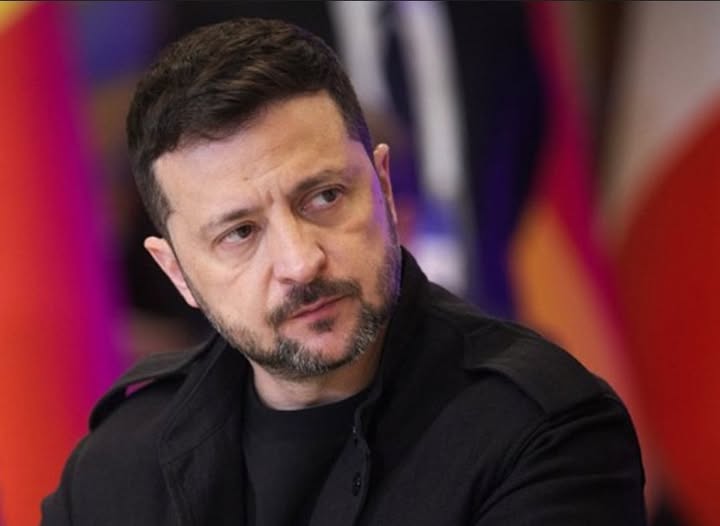
Ukrainian leader warns that easing sanctions on Russian diesel exports could finance Moscow’s war, as European allies express concern over Washington’s latest move.
WASHINGTON, D.C. — US President Donald Trump has called for Ukraine to elect a new president, escalating tensions with Ukrainian President Volodymyr Zelensky following a controversial agreement to allow Russian diesel supplies into the American and global markets.
Trump made the remarks on Saturday, October 10, 2026, accusing Zelensky of prolonging the war with Russia and contributing to global fuel supply challenges by authorizing attacks on Russian oil refineries. He argued that Ukraine needed a leader willing to negotiate a deal to end the conflict.
“I suggest they get a new leader who can make a deal because he could have made many deals and for some reason he never does,” Trump told reporters, reiterating his criticism of the Ukrainian president.
The comments followed Zelensky’s criticism of a new US-Russia diesel arrangement, which the Ukrainian leader described as a move that could provide Moscow with additional revenue to sustain its military campaign.
More Read

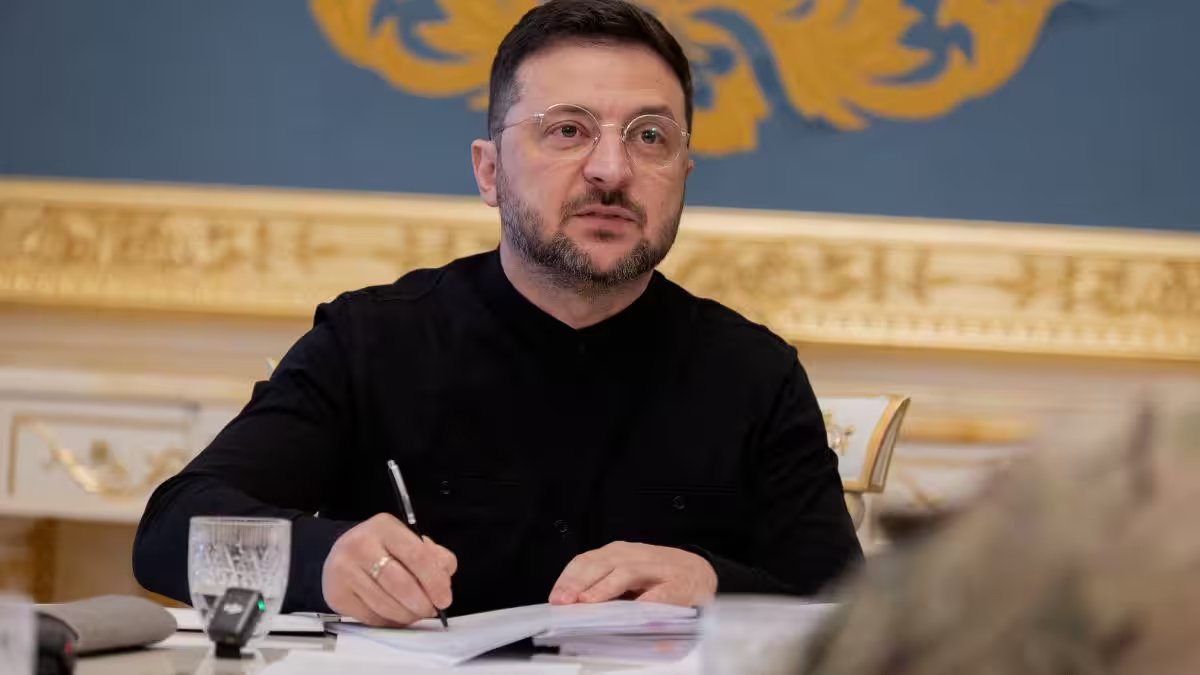
Zelensky Condemns Diesel Agreement
Zelensky warned that allowing Russia to sell more petroleum products would provide the Kremlin with fresh financial resources to purchase military equipment and continue its invasion of Ukraine.
The Ukrainian president argued that easing restrictions on Russian energy exports could undermine international efforts to pressure Moscow into ending the war, which began with Russia’s full-scale invasion of Ukraine in February 2022.
More Read

He also accused Russia of interpreting the agreement as an opportunity to continue its military operations, following deadly attacks on Ukrainian territory, including strikes in the Zaporizhzhia region.
Zelensky subsequently held discussions with international partners, calling for concrete measures to protect Ukrainian civilians and safeguard European security.
Ukraine’s foreign minister, Andriy Sybiha, also defended Zelensky following Trump’s remarks, maintaining that the Ukrainian people have the right to determine their country’s leadership.
Russia to Supply Diesel as Washington Seeks Lower Fuel Prices
Trump announced the agreement with Russian President Vladimir Putin on Friday, October 9, as his administration sought to address rising fuel costs in the United States.
Under the announced arrangement, Russia would initially supply more than 300,000 tonnes of diesel, followed by another 500,000 tonnes in November. Trump also outlined plans for additional shipments, including a further one million tonnes and a subsequent three million tonnes, subject to the stated conditions.
The agreement represents a significant shift in Washington’s approach to Russian petroleum products following years of sanctions and restrictions imposed after the invasion of Ukraine.
More Read

The US administration’s decision comes amid severe disruption to global energy markets following the war involving the United States, Israel and Iran. The effective closure of the Strait of Hormuz has disrupted a major international route for oil and petroleum products, intensifying pressure on fuel supplies and prices.
Trump has argued that Ukrainian attacks on Russian refineries are worsening the situation, warning Zelensky against targeting facilities that produce fuel for international markets.
However, energy analysts have cautioned that additional Russian diesel supplies may not substantially reduce American fuel prices, as the global market faces wider supply and refining constraints.
European Leaders Raise Concerns Over Russian Revenue
The agreement has drawn criticism from European officials who argue that relaxing sanctions on Russian energy exports could weaken international pressure on Moscow.
European Union foreign affairs chief Kaja Kallas warned that allowing Russia to generate additional petroleum revenue could help finance its continuing military operations in Ukraine.
Kallas maintained that Europe intended to sustain pressure on Russia rather than ease restrictions, with European foreign ministers expected to consider further sanctions.
The disagreement highlights growing differences among Western allies over how to balance energy security, economic pressures and continued support for Ukraine.
While Washington has presented the diesel agreement as an effort to improve fuel availability, Kyiv and several European officials have raised concerns about its potential implications for Russia’s war effort.
War Continues to Disrupt Energy Infrastructure
Russia and Ukraine have intensified attacks on each other’s energy infrastructure and transport facilities, adding to uncertainty in international fuel markets.
Ukrainian drone strikes have targeted Russian oil refineries, while Russian attacks have continued to hit Ukrainian cities and critical infrastructure.
The conflict has contributed to damage, production disruptions and pressure on energy supplies across the region. Russia remains a major producer of petroleum products, making developments affecting its refining and export capacity significant for international markets.
The wider conflict involving Iran has further complicated the situation by disrupting energy shipments through the Strait of Hormuz, a strategic waterway through which a substantial share of global oil and petroleum flows.
The combined pressures have raised concerns about the effects of fuel prices on transportation, agriculture, manufacturing and the cost of living.
Ukraine’s Elections Remain Suspended Under Martial Law
Trump’s demand for a new Ukrainian president has also renewed debate over the country’s political future.
Ukraine has remained under martial law since Russia’s full-scale invasion in 2022. Elections have been suspended under the wartime legal framework, meaning the country has not held a new presidential election during the ongoing conflict.
Trump previously called for elections in Ukraine, arguing that voters should have the opportunity to choose whether Zelensky remains in office.
Zelensky and his government, meanwhile, continue to face the challenge of defending the country against Russian military operations while pursuing international support and considering possible diplomatic avenues to end the war.
The question of Ukraine’s future leadership is therefore closely tied to the broader issues of national security, wartime governance and the terms of any eventual peace agreement.

Diplomatic Tensions Could Complicate Peace Efforts
The latest exchange between Trump and Zelensky underscores the challenges facing efforts to negotiate an end to the war.
Washington’s diesel arrangement with Moscow has placed renewed attention on the competing priorities of reducing fuel costs, maintaining sanctions and preventing Russia from using additional energy revenue to sustain its military campaign.
For Ukraine, the immediate concern remains that concessions benefiting Russia could weaken its position while Russian attacks continue. For the US administration, the stated priority behind the fuel agreement is to increase supplies amid rising domestic energy costs.
Whether the arrangement will deliver meaningful relief at American fuel stations, or instead deepen divisions between Washington and its European allies, remains uncertain.
As diplomatic disagreements continue, the future of US-Ukrainian relations and the prospects for a negotiated settlement will depend on decisions made by the parties involved and the wider international response to the conflict.
Cruise TV News will continue to follow developments surrounding the Russia-Ukraine war, international diplomacy and their implications for global energy markets.