South African jurist warns of growing threats to international justice as Trump administration targets the International Criminal Court, drawing criticism from the United Nations and several Western allies.
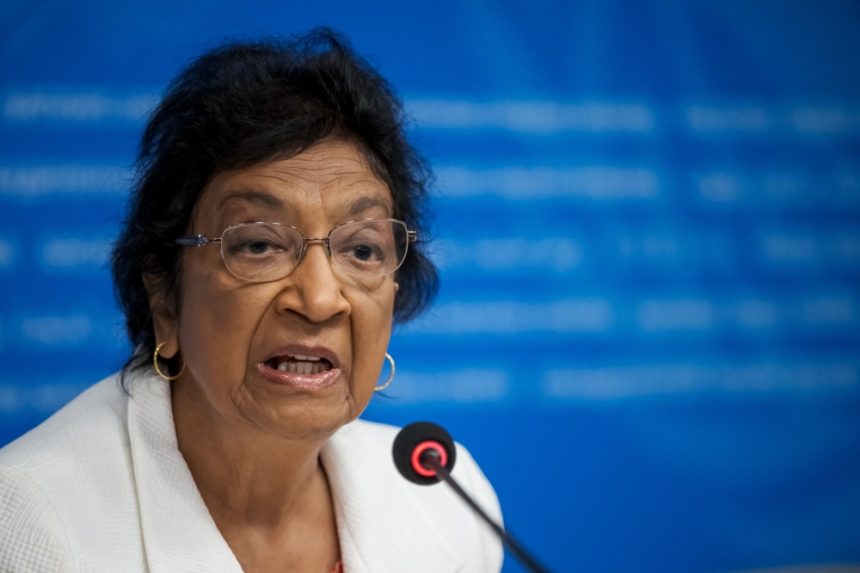
OSLO, Norway — South African jurist and 2026 Nobel Peace Prize laureate Navi Pillay has condemned the United States’ latest sanctions against the International Criminal Court (ICC), describing the measures as “unheard of” and “unacceptable” amid mounting tensions over the future of international justice.
Pillay, a former ICC judge and former United Nations High Commissioner for Human Rights, made the remarks on Saturday during an event at the Nobel Peace Center in Oslo, Norway. Her comments followed the announcement of the 2026 Nobel Peace Prize in recognition of her longstanding efforts to promote peace, human rights and international law.
The controversy intensified after US President Donald Trump criticized the Nobel Committee’s decision, with Washington announcing sweeping new sanctions against the ICC hours after Pillay was named the winner.
The latest measures represent an escalation of the Trump administration’s campaign against the court, which it accuses of threatening American sovereignty and seeking to prosecute US citizens.
More Read

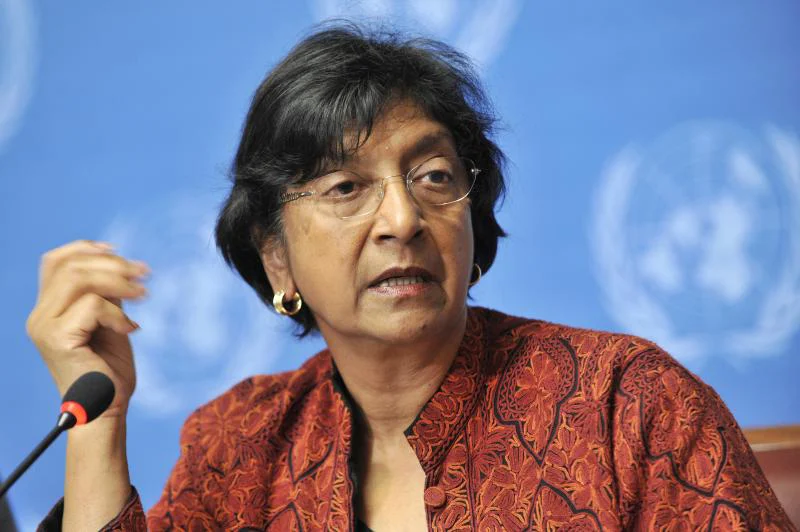
“There is so much tension and anxiety over the continued existence of international courts, mainly the International Criminal Court in The Hague,” Pillay said during her address.
“Most importantly, sanctions have been announced by one country against the judges, just for the judicial orders they issue. This is unheard of, unacceptable.”
The ICC has also condemned the sanctions, describing them as an assault on the rule of law and the foundations of the international legal order.
More Read

US Defends Sanctions as Protection of National Sovereignty
US Secretary of State Marco Rubio defended the decision, saying the sanctions were necessary to protect American sovereignty and prevent the court from exercising what Washington considers illegitimate authority over US citizens.
The measures prohibit certain transactions between US entities and the ICC, potentially affecting the court’s access to financial services, technology and other resources essential to its operations.
Unlike previous US sanctions targeting individual judges and officials, the latest action targets the institution itself, raising concerns among supporters of international justice about the court’s ability to carry out its mandate.
Washington has repeatedly criticized the ICC over its investigations into alleged crimes involving US military personnel in Afghanistan, as well as arrest warrants issued against Israeli officials, including Prime Minister Benjamin Netanyahu.
The court’s investigation into alleged crimes involving US personnel in Afghanistan has since been closed or deprioritized in relevant aspects, according to previous reporting, while the dispute over its jurisdiction and actions involving Israeli officials remains a major point of contention.
More Read

The Trump administration maintains that the ICC cannot legitimately exercise authority over Americans without US consent. The court and its supporters, however, argue that international justice mechanisms must be able to operate independently within their established legal jurisdiction.
The sanctions include a six-month wind-down period for certain activities, allowing affected entities time to conclude some transactions and giving Washington and other countries an opportunity to discuss its concerns.
United Nations and Allies Express Concern
The announcement has drawn criticism from international leaders and several US allies.
United Nations Secretary-General António Guterres described the sanctions as a serious setback to the global pursuit of international criminal justice, identifying the ICC as a key pillar of that system.
The United Kingdom, Canada, Denmark, Germany, France, Italy, Japan and the Netherlands have also expressed disagreement with the US decision.
The reactions highlight growing divisions over the role of international courts, the limits of national sovereignty and the question of how governments should respond when international judicial decisions conflict with their political or security interests.
The ICC, based in The Hague, Netherlands, investigates and prosecutes individuals accused of genocide, war crimes, crimes against humanity and, under specified conditions, the crime of aggression.
Its supporters argue that the institution provides an essential avenue for accountability when national courts are unable or unwilling to act. Critics, including the US administration, have raised concerns about jurisdiction, political impartiality and the potential impact of its investigations on national interests.
Who Is Navi Pillay?
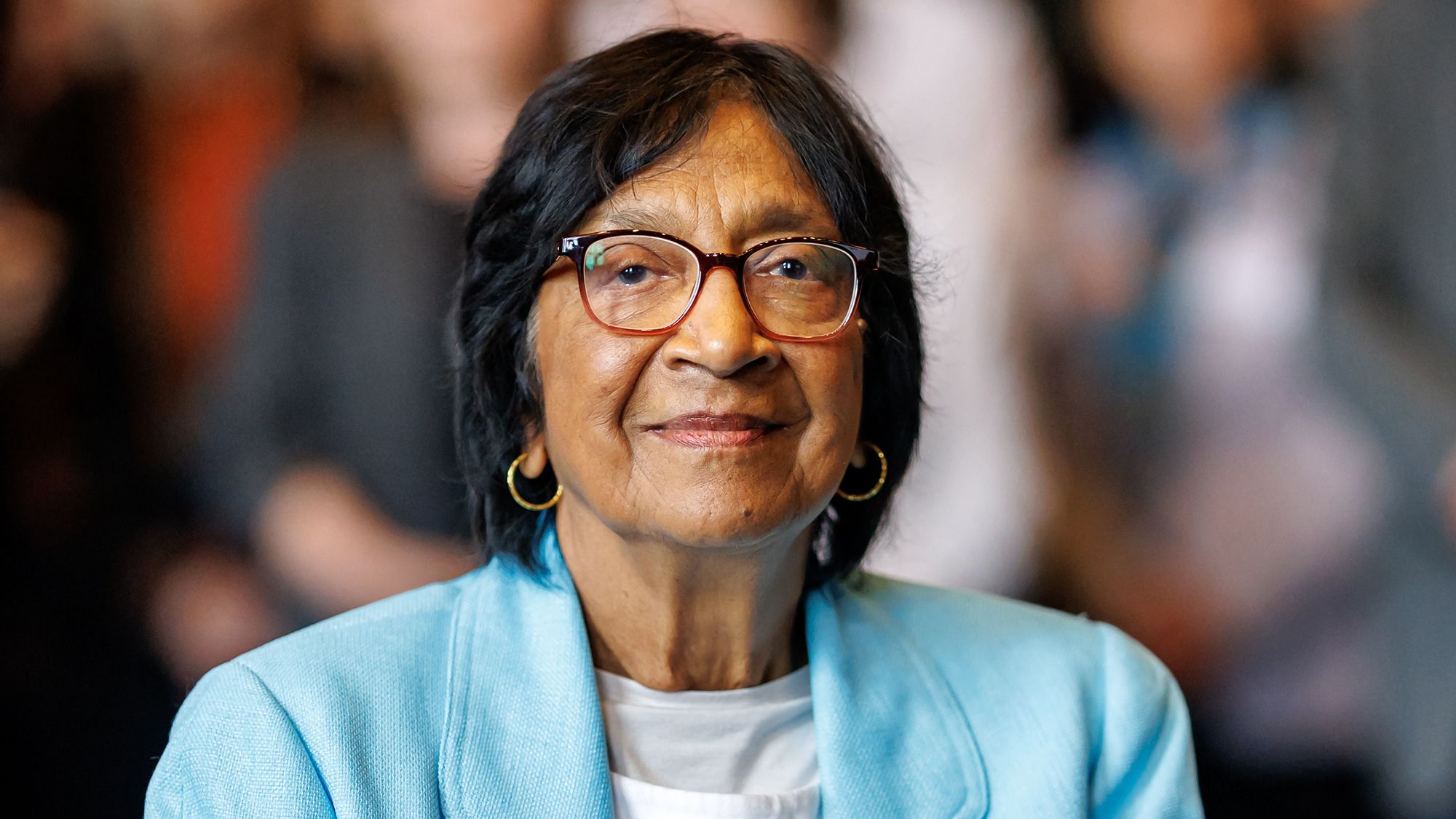
At 85, Pillay has spent decades working in law, human rights and international justice.
Born in South Africa during the apartheid era, she began her legal career defending anti-apartheid activists and challenging racial discrimination. Her work later took her to South Africa’s judiciary and several international legal institutions.
She served as a judge at the International Criminal Tribunal for Rwanda, where her work contributed to the development of international jurisprudence on sexual violence as a crime against humanity and genocide.
Pillay subsequently served as a judge at the International Criminal Court and as the United Nations High Commissioner for Human Rights, a position she held from 2008 to 2014.
Her career has also included high-profile work examining allegations of human rights violations in different parts of the world, including Rwanda, Myanmar and the occupied Palestinian territory.
The Nobel Committee recognized her contributions to international law and efforts to strengthen accountability for serious international crimes, including war crimes, crimes against humanity and genocide.
Her selection makes her the fifth South African recipient of the Nobel Peace Prize, following prominent figures such as Nelson Mandela and Archbishop Desmond Tutu.
Trump Criticizes Nobel Committee’s Decision
Trump reacted angrily to Pillay’s selection, describing the decision as “disgraceful and embarrassing” and calling it an “indelible stain on the country of Norway.”
The US president has repeatedly expressed his desire to receive the Nobel Peace Prize and has previously been nominated by political allies.
Pillay responded to the attention surrounding the award with humor, joking that she might share the prize with Trump if the audience applauded a little more.
Her remark referenced last year’s Nobel Peace Prize winner, Venezuelan opposition figure María Corina Machado, who publicly offered to share or dedicate her award to Trump.
Despite the political controversy surrounding her recognition, Pillay’s award has renewed international discussion about the relationship between peace, human rights, accountability and the independence of judicial institutions.
A Defining Moment for International Justice
The dispute between Washington and the ICC raises broader questions about the future of international criminal justice and the ability of global institutions to function amid pressure from powerful states.
While the United States maintains that its actions are necessary to defend national sovereignty, critics warn that sanctions against an international court could undermine efforts to hold individuals accountable for serious crimes.
The coming months may prove significant as affected organizations, ICC member states and the US consider the legal, diplomatic and financial implications of the measures.
For Pillay, the controversy underscores the importance of preserving international legal institutions at a time when their authority and independence face growing challenges.
Her Nobel Peace Prize has therefore become more than a recognition of a distinguished legal career. It has also placed the debate over international justice, national sovereignty and the rule of law at the centre of global attention.