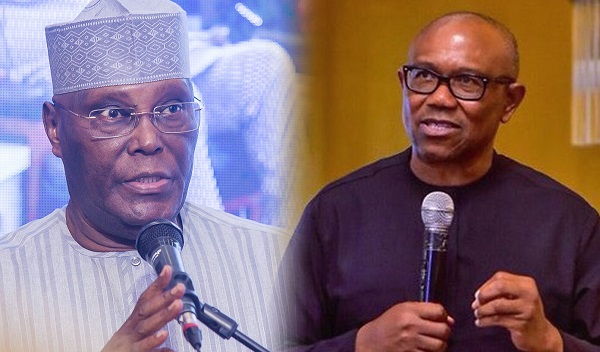
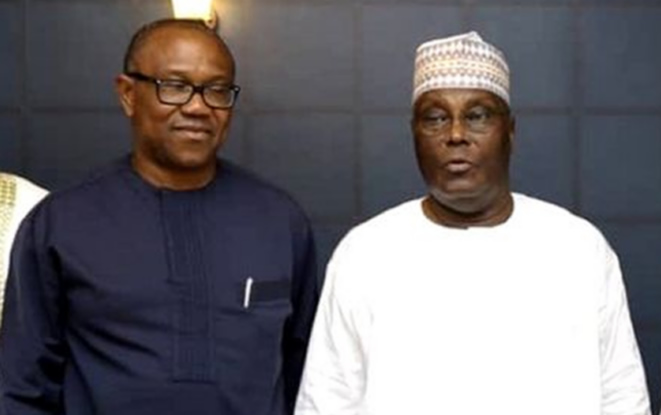
An All Progressives Congress (APC) chieftain in Osun State, Olatunbosun Oyintiloye, has challenged opposition presidential candidates Atiku Abubakar and Peter Obi to provide realistic campaign promises ahead of Nigeria’s 2027 general elections, particularly regarding their proposals to restore fuel subsidy.
Oyintiloye, a former lawmaker, made the call while speaking with journalists in Osogbo on Sunday, arguing that political candidates must consider the country’s current economic realities before making promises aimed at attracting public support.
He expressed concern that a return to the fuel subsidy regime could create fresh financial challenges for the federal, state and local governments, which he said had adjusted their budgets and spending priorities following the policy’s removal.
According to him, the proposals attributed to Atiku, the presidential candidate of the African Democratic Congress (ADC), and Obi, the presidential candidate of the Nigeria Democratic Congress (NDC), require careful consideration of their potential economic implications.
“It is practically impossible to think of returning Nigeria to the era of fuel subsidy,” Oyintiloye said.
More Read

He also questioned a proposal attributed to Donald Duke, presidential candidate of the Peoples Redemption Party (PRP), to peg the pump price of petrol at ₦300 per litre if elected president.
Oyintiloye urged opposition candidates to explain how their proposed policies would be funded and implemented without undermining government revenue, workers’ salaries and ongoing development projects.
“I appeal to opposition candidates to be truthful to themselves and stop deceiving Nigerians. The majority of their promises are nothing but a recipe for public chaos,” he said.
More Read
Subsidy Removal and Government Revenue
The APC chieftain said the removal of fuel subsidy and foreign exchange reforms introduced by President Bola Tinubu’s administration had significantly altered Nigeria’s public finance system.
He acknowledged, however, that the reforms had placed considerable pressure on households and businesses, particularly through rising living costs and the financial difficulties faced by many Nigerians.
Oyintiloye maintained that increased allocations from the Federation Account Allocation Committee (FAAC) had provided state governments with greater financial flexibility to meet their obligations, execute development projects and address infrastructure and social-service deficits.
He questioned how the proposed restoration of fuel subsidy would affect government earnings and the funding of existing commitments.
“Presently, salaries and wages are based on the government’s earnings after fuel subsidy removal.
More Read
“With the restoration of fuel subsidy that these candidates are promising, will salaries and wages also be reviewed downward?” he asked.
He further questioned the potential implications for state government allocations and projects already awarded based on current revenue expectations.
“What will be the earnings of states following the restoration of fuel subsidy? What will become of the several ongoing government projects awarded based on its current earnings? Nigerians are wiser,” he said.
Governors Urged to Deliver Tangible Benefits
Despite defending the economic reforms, Oyintiloye called on state governors to demonstrate accountability by ensuring that increased government revenue translates into measurable improvements in citizens’ living conditions.
He said Nigerians expected better roads, improved healthcare, increased food production, regular payment of salaries and pensions, and more employment opportunities.
According to him, higher allocations should produce visible development at the grassroots rather than remain reflected only in government revenue figures.
He stressed that state governments must prioritize projects and programmes that directly address the needs of their residents.
FG Urged to Ease Economic Hardship
Oyintiloye also called on the Federal Government to intensify efforts to reduce the economic burden on vulnerable households and businesses.
He urged the administration to sustain measures aimed at curbing inflationary pressures, expanding employment opportunities and improving citizens’ purchasing power.
While expressing optimism about the long-term benefits of the government’s economic reforms, he urged Nigerians to assess the policies objectively and allow sufficient time for their potential benefits to emerge.
His comments add to the growing debate over fuel pricing, subsidy policy and economic management as political parties and presidential hopefuls prepare for the 2027 general elections.
The debate places renewed attention on how competing candidates intend to address the high cost of living, protect public finances and improve the welfare of Nigerians, with the funding and practical implementation of proposed policies likely to remain key issues for voters.