NAIROBI, Kenya — Kenya’s first reported case of Ebola has raised fresh concerns over cross-border disease surveillance after an infected Kenyan man travelled for weeks by road and air through multiple countries before arriving in Nairobi undetected.
The patient, who had reportedly been living in the Democratic Republic of Congo for about seven years, began experiencing symptoms approximately a month ago before embarking on a journey that took him by road to Uganda and eventually by air to Kenya’s capital, Nairobi.
He was later admitted to a hospital in Nairobi, where he tested positive for the Ebola virus. The patient died on Monday, according to health officials.
The case has prompted questions about how an individual carrying a highly infectious disease was able to travel across international borders without being detected or flagged by health authorities.
Africa Centres for Disease Control and Prevention Director-General, Jean Kaseya, said the incident should prompt authorities across the region to examine the effectiveness of surveillance systems at points of entry.
More Read

Speaking to The Associated Press, Kaseya questioned how the patient was able to travel by road and air through several locations without being detected.
He stressed the importance of strengthening surveillance at airports, land borders and other entry points to prevent infectious diseases from spreading across countries.
More Read

Kenya Strengthens Border Surveillance
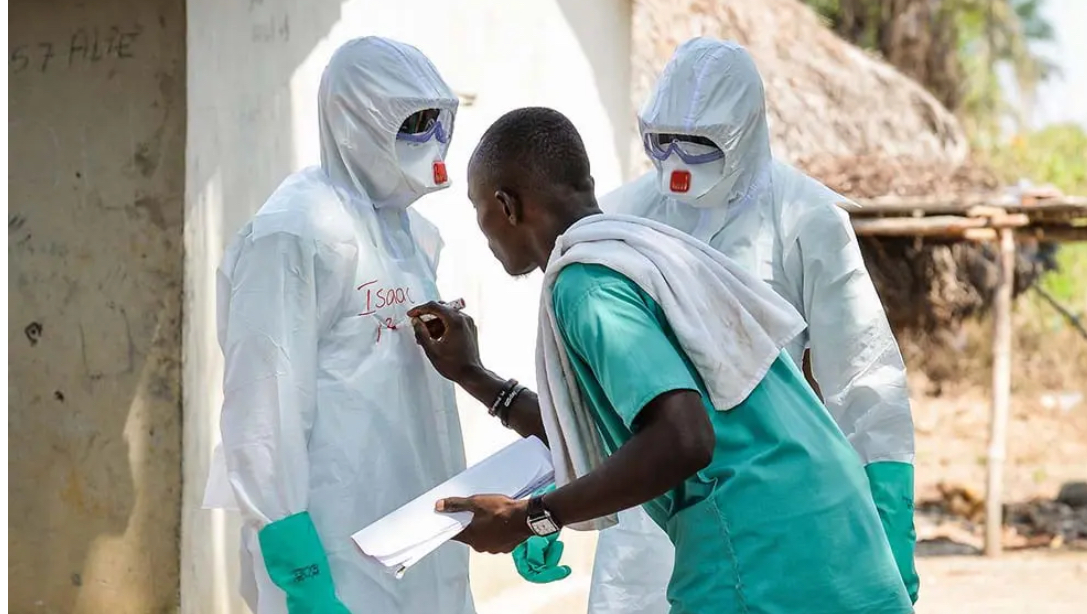
Following the detection of the case, Kenya’s Ministry of Health has intensified surveillance at the country’s border entry points as authorities work to prevent further transmission.
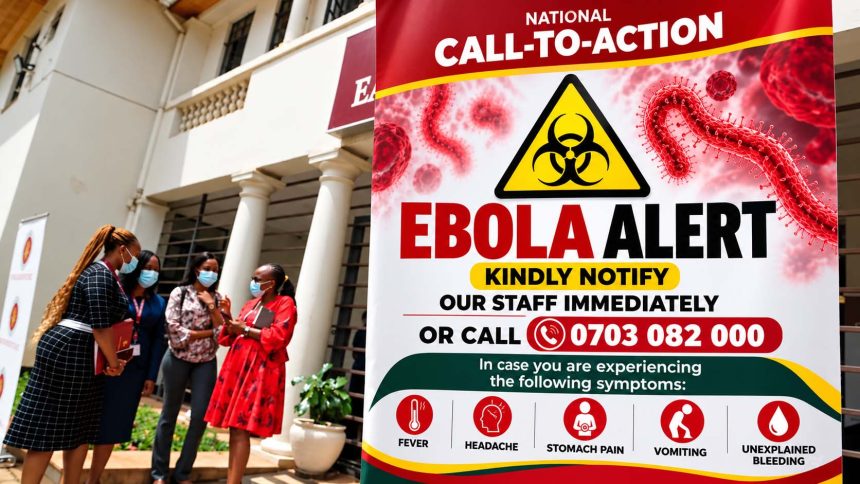
The ministry has also established an Ebola hotline through which members of the public can report suspected symptoms and seek information about the disease.
Kenyan authorities have designated five health facilities to manage suspected and confirmed Ebola cases. Together, the facilities currently have 241 isolation beds, with plans underway to expand the country’s capacity.
The government says adequate supplies, including personal protective equipment, are available to support healthcare workers responding to suspected cases.
Authorities also say resources have been mobilised since the outbreak began in the Democratic Republic of Congo in May.
Special Measures at Nairobi Airport
Kenya has introduced additional screening measures for travellers arriving from countries considered to be within the outbreak’s epicentre.
More Read

The Ministry of Health said a dedicated gate had been designated at the country’s main airport for passengers travelling from 10 countries located within the affected region.
The move is aimed at strengthening health screening and ensuring that travellers who may have been exposed to the virus can be identified and assessed promptly.
Why Ebola Raises Concern
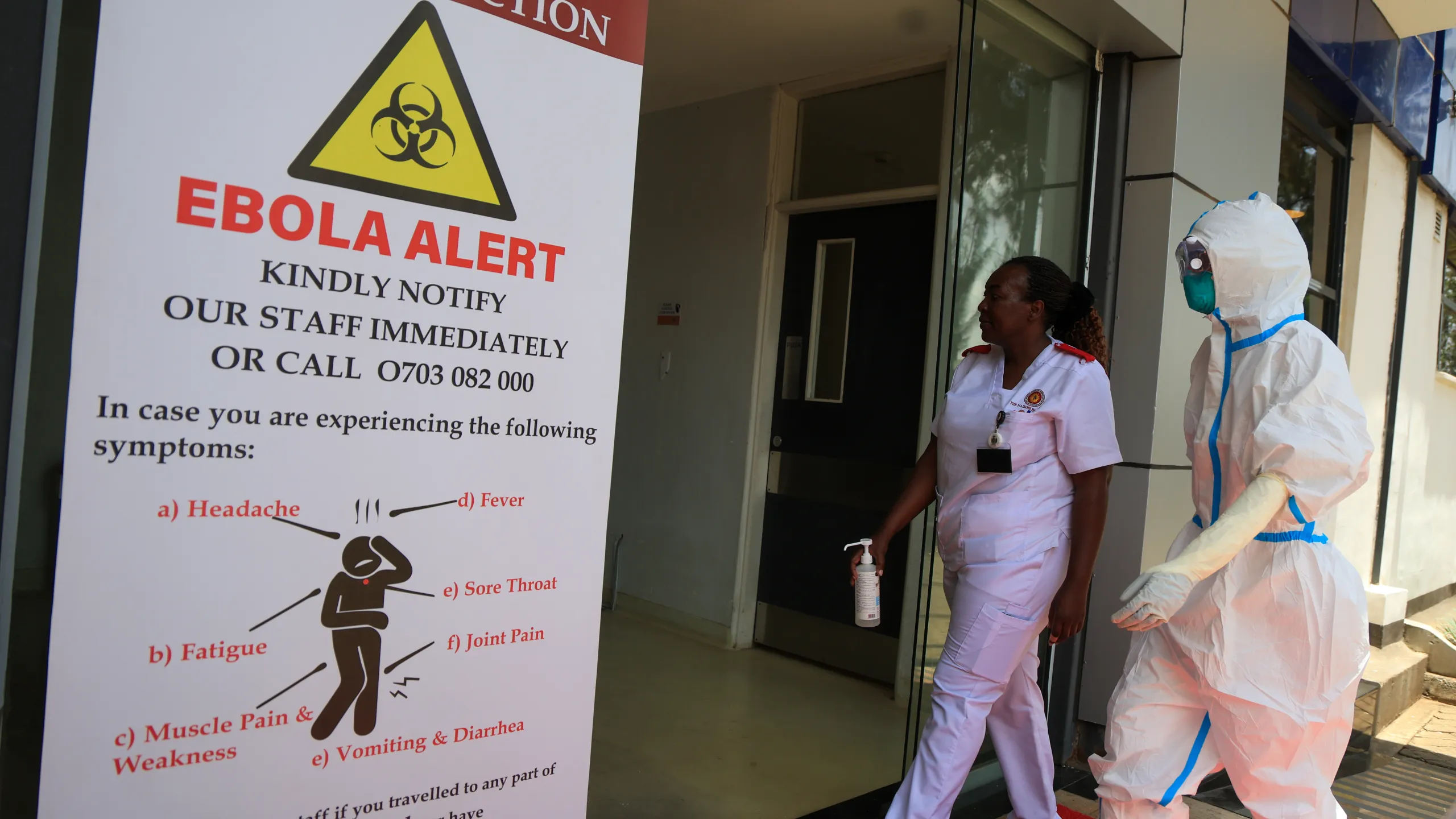
Ebola is a severe and often deadly viral disease that can spread through direct contact with the blood and other bodily fluids of an infected person. Transmission can also occur through contact with contaminated materials and surfaces, including bedding and clothing.
The disease therefore presents significant challenges for health systems, particularly when infected individuals travel before their illness is identified.
Health authorities across Africa have repeatedly stressed the importance of early detection, rapid isolation, contact tracing and strong surveillance at international borders.
The Kenyan case has consequently renewed attention on the need for countries in the region to coordinate their disease surveillance efforts, particularly along busy land borders and major aviation routes.
For Kenya and neighbouring countries, health officials now face the task of identifying people who may have come into contact with the deceased patient and determining whether the virus may have been carried beyond the locations he visited.
The development has also highlighted the importance of cooperation between countries in sharing information about suspected cases and monitoring travellers who may have been exposed.
As Kenya strengthens its response, health authorities are urging the public to remain alert and report suspected symptoms promptly, while avoiding unnecessary panic and relying on information provided by official health authorities.