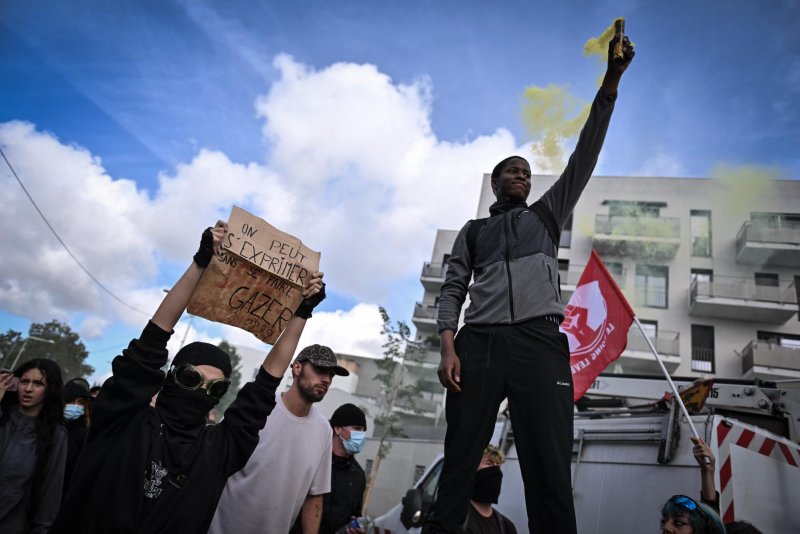
PARIS, France — Thousands of high school students across France have intensified protests against the country’s struggling education system, with more than 71,000 demonstrators taking to the streets on Thursday as growing concerns over teacher shortages, overcrowded classrooms and deteriorating school buildings continue to fuel public anger.
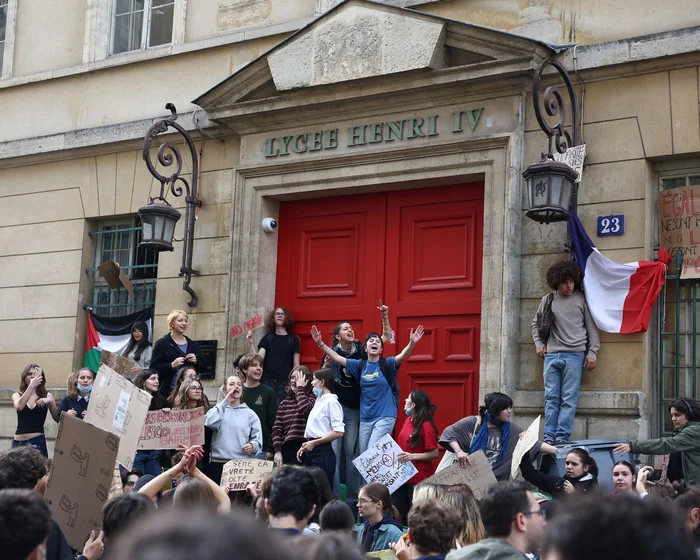
The demonstrations, now in their 10th day, spread across major French cities, including Paris, Lille, Rennes, Nantes, Lyon, Toulon and Marseille. Students barricaded school entrances and marched through city centres, demanding urgent government intervention to address what they describe as a worsening crisis in public education.
In Paris, an estimated 25,000 students gathered at the Place de la Bastille, where some protesters climbed the historic monument while waving French flags and singing the national anthem, La Marseillaise.
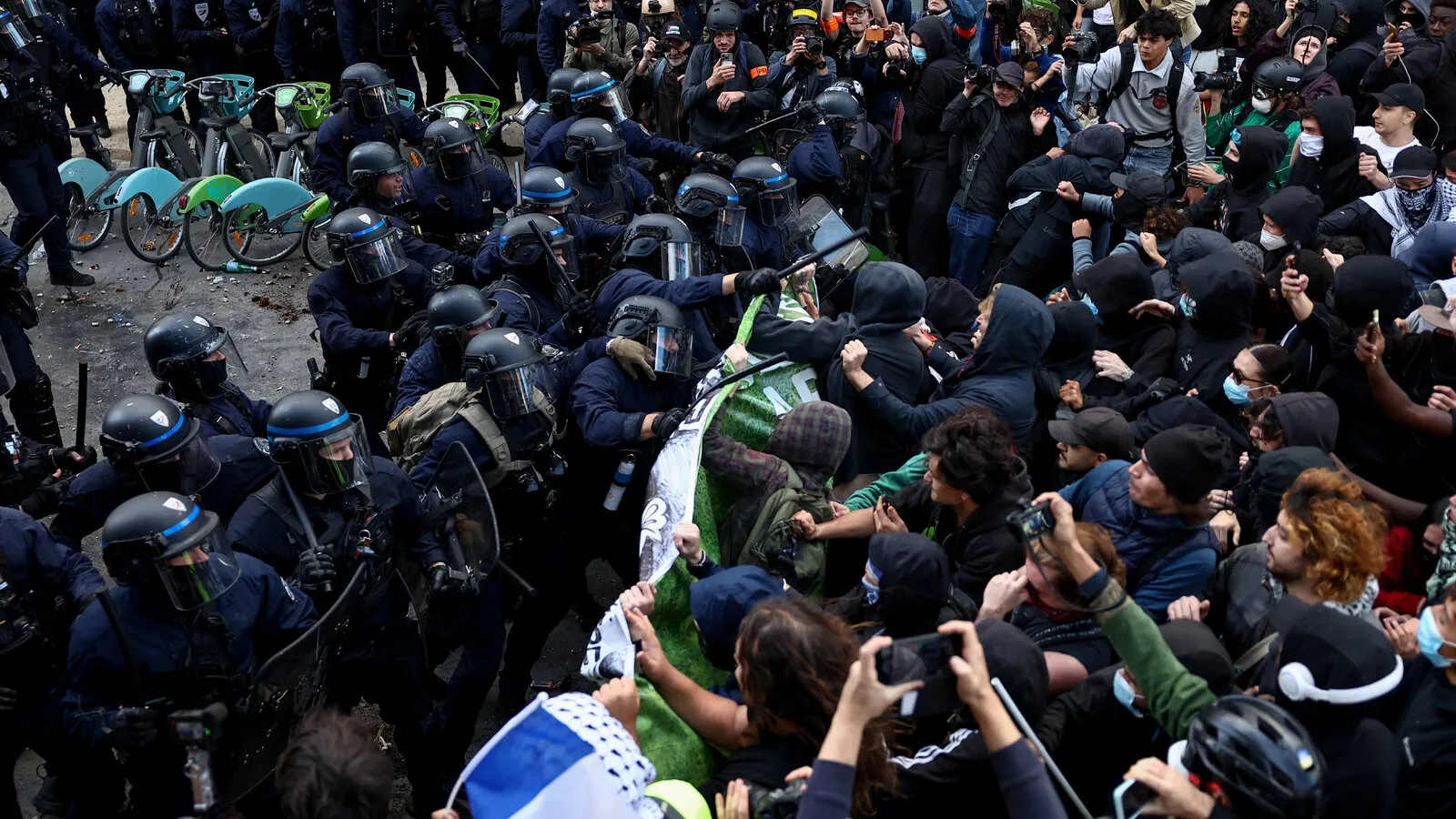
Although many of the demonstrations remained peaceful, confrontations erupted later in the evening as riot police deployed tear gas, crowd-control rounds and baton charges to disperse protesters. Some demonstrators reportedly threw bottles, paving stones and other objects at heavily armoured officers.
The protests have drawn support from teachers, parents and trade unions, placing increasing pressure on the French government to respond to demands for improved school facilities, adequate staffing and better learning conditions.
More Read

Students Demand Urgent Education Reforms
At the heart of the demonstrations are complaints about persistent teacher shortages, crowded classrooms, dilapidated school buildings and long school days.
Sixteen-year-old Eliane, who participated in the Paris march, said she joined the demonstration to support schools facing even more severe challenges than her own.
More Read

Describing the march as magnificent, she said she intended to continue protesting until the authorities delivered concrete improvements.
Student representatives have also criticised the government’s response, arguing that its initial commitments fall short of the measures needed to address the scale of the crisis.
Ryad Rani, president of a high school students’ union, said protesters had yet to receive a satisfactory response to their demands and vowed that the movement would continue.
Sabrine Kharbach, representing another student association, said the demonstrations would persist until €10 billion was committed to improving the country’s schools. The figure has been promoted by students and some left-wing politicians as the level of investment urgently required.
French Government Announces Emergency Measures
In response to the growing unrest, France’s education minister, Édouard Geffray, announced plans to deploy 3,000 substitute teachers to approximately 100 high schools experiencing particularly acute staffing shortages.
Speaking on TF1 television, Geffray said the teachers would be deployed over the following days, with the process expected to take place between Friday and Tuesday. He also authorised the recruitment of several hundred additional teachers.
More Read

Prime Minister Sébastien Lecornu said the government would propose amendments to the 2027 budget to translate some of the students’ demands into practical measures, particularly concerning the replacement of absent teachers.
However, the announcements have done little to satisfy student leaders, who insist that temporary staffing measures will not resolve the wider structural problems affecting the education system.
The government is also facing competing financial pressures, including demands for increased investment in public services and the need to reduce France’s growing budget deficit and public debt.
Economy minister Roland Lescure said there was room to address demands for additional education funding in the 2027 budget. Under the current draft, education is due to receive a 1.4 per cent funding increase, taking its allocation to €90.9 billion, second only to defence in terms of the proposed increase.
Police Response Sparks Fresh Controversy
The conduct of security forces has become another major point of contention, with protesters accusing police of using excessive force during demonstrations.
A banner carried during the Paris march read: “Too young to be listened to, but old enough to be teargassed,” reflecting students’ anger over the police response.
Over the past two weeks, some demonstrators have reportedly set rubbish bins on fire, damaged bus shelters and thrown objects at police officers. Security forces have responded with tear gas, batons and other crowd-control measures.
According to figures cited in the report, at least 215 teenagers, 89 school staff members and 761 police officers have been injured since the protests began.
The government suspended police use of stun grenades on Wednesday following an incident in which a teenager lost a hand. Authorities, however, rejected descriptions of the police response as repression and denied that officers had been instructed to confront young demonstrators.
In Rennes, riot police reportedly used water cannon to disperse protesters, while further clashes occurred around school barricades in Paris.
Public Opinion Divided Over Demonstrations
Despite the disruption, public sympathy for the students’ concerns appears significant. An Elabe poll conducted for BFM TV found that 72 per cent of respondents considered the students’ demands legitimate, although 55 per cent believed the protests should stop.
The figures highlight a tension between public support for improvements in education and concerns about the disruption caused by continued demonstrations.
The French education ministry reported that 224 high schools had been closed in the morning on Thursday, falling to 157 by lunchtime. Nevertheless, approximately 95 per cent of the country’s high schools remained at least partially open.
Trade unions have called for another national day of action next Tuesday, raising the prospect of further demonstrations if students and the government fail to reach an agreement.
Political Pressure Builds Ahead of Presidential Election
The unrest comes as France approaches a crucial presidential election scheduled to replace President Emmanuel Macron, with political parties seeking to position themselves on the growing debate over public services, education spending and law enforcement.
Far-right political figure Marine Le Pen has highlighted damage to school facilities and called for parents to bear the cost of repairs in certain circumstances. On the left, Jean-Luc Mélenchon has praised the students’ mobilization and condemned what he described as police brutality.
The competing responses reflect wider disagreements over how France should fund its public services while managing its financial obligations.
For the protesting students, however, the immediate priority remains clear: more teachers, safer and better-maintained school buildings, improved learning conditions and a government commitment that goes beyond promises.
With demonstrations continuing and unions preparing further action, pressure is mounting on French authorities to find a lasting solution to the education crisis.
Whether the government’s proposed measures will be sufficient to calm the unrest remains uncertain, as students continue to demand concrete action and increased investment in the country’s schools.