Opposition parties and presidential campaign organizations have criticized the Federal Government’s proposed 30-day petrol discount, questioning its sustainability, nationwide accessibility and potential impact on the rising cost of living as Nigeria approaches the 2027 general elections.
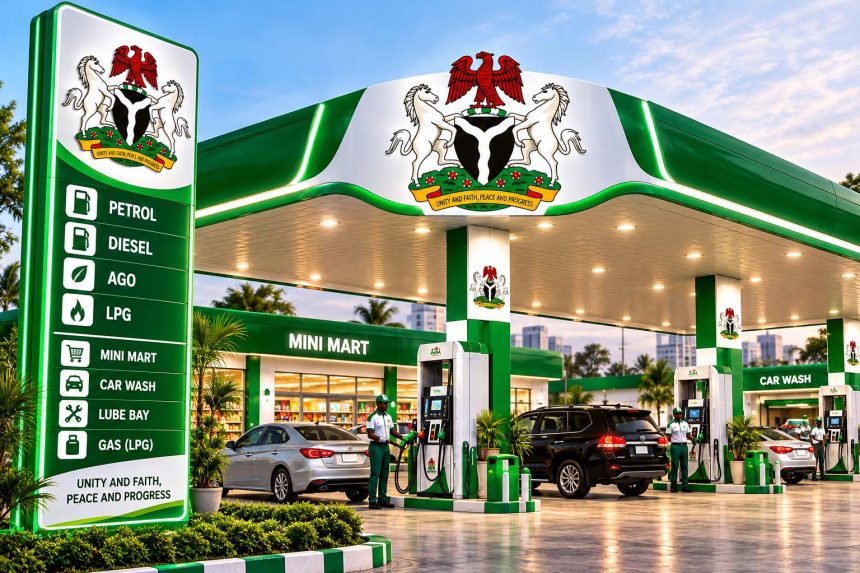
The criticism followed an announcement by the Minister of Finance and Coordinating Minister of the Economy, Taiwo Oyedele, that the Nigerian National Petroleum Company Limited (NNPC Ltd) would offer discounted petrol at its retail outlets for an initial period of 30 days, with priority given to public transport operators across the country.
Oyedele maintained that the intervention was not a return to the fuel subsidy regime but an arrangement under which NNPC would sell petrol at cost by foregoing its retail profit margin during the period.
However, the proposal has drawn strong reactions from opposition groups, including the Nigeria Democratic Congress (NDC), the African Democratic Congress (ADC) presidential campaign and the Makinde-Daura Presidential Campaign Organization, which is campaigning for the Allied Peoples Movement (APM).
Their concerns centre on the temporary nature of the intervention, the restriction of discounted sales to NNPC outlets, the effect on transport fares and whether the measure would provide meaningful relief to households and businesses struggling with high fuel prices.
More Read

NDC Accuses Government of Reintroducing Subsidy Through the Backdoor
The Nigeria Democratic Congress has described the proposed petrol discount as inadequate, accusing the Federal Government of attempting to restore fuel subsidy indirectly after its removal.
In a statement issued by its National Publicity Secretary, Osa Director, the party characterized the intervention as “tokenism and deceit,” arguing that a one-month discount would not reverse the economic consequences associated with subsidy removal.
The party questioned the government’s response to the hardship experienced by Nigerians, particularly workers who have lost their jobs and business owners whose enterprises have struggled under rising operating costs.
More Read
The NDC also expressed concern about the feasibility of restricting discounted petrol sales to designated NNPC retail outlets, asking whether the available stations could adequately serve the country’s large population.
According to the party, the arrangement could create congestion and raise practical challenges for motorists seeking to benefit from the temporary price reduction.
The NDC called for more sustainable economic measures and urged Nigerians to support its presidential candidate, Peter Obi, alongside other party candidates.
Atiku Questions What Happens After 30 Days
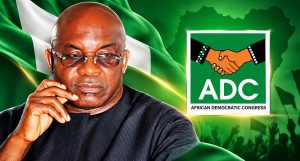
Former Vice President Atiku Abubakar, the presidential candidate of the African Democratic Congress, has also rejected the proposal, describing it as a temporary intervention that would not address the underlying causes of the high cost of living.
In a statement issued by Phrank Shaibu, Director of Strategic Communication of the ADC Presidential Campaign Council, Atiku questioned the government’s decision to limit the relief to 30 days.
He argued that Nigerians could return to facing high petrol prices, expensive transportation and rising food costs once the discount expires.
More Read

Atiku further questioned the restriction of the offer to NNPC retail outlets and the absence of clear guarantees that any savings enjoyed by public transport operators would translate into lower fares for passengers.
The former vice president maintained that the government should pursue a more sustainable framework for supporting domestic fuel production and refining.
He reiterated his proposal for capped and budgeted production support tied to petrol refined in Nigeria, with appropriate safeguards to ensure that consumers benefit from any intervention.
According to Atiku, a lasting solution should address the cost pressures affecting households and businesses rather than rely on a short-term discount.
Makinde-Daura Campaign Describes Discount as Inadequate
The Makinde-Daura Presidential Campaign Organization, which is campaigning for the APM, has similarly criticized the proposed intervention, arguing that the reduction would offer limited relief to Nigerians.
In a statement signed by its Director of Strategic Communications, Richard Ihediwa, the organization described the reported ₦60-per-litre discount as too small to make a substantial difference to consumers facing high petrol prices.
The campaign organization also questioned the decision to restrict the offer to NNPC-owned filling stations and limit it to one month.
It argued that Nigerians needed a more significant and sustainable reduction in fuel costs rather than a temporary concession.
The organization further criticized the government’s proposed arrangement for supplying crude oil to domestic refineries at $80 per barrel, arguing that Nigeria’s status as an oil-producing country should translate into greater benefits for its citizens.
The campaign called on Nigerians to support its candidate, Seyi Makinde, promising a government that would manage the country’s natural resources transparently and in the public interest.
Federal Government Defends Its Approach
Despite the criticism, the Federal Government maintains that the 30-day intervention is not a restoration of the petrol subsidy system.
Oyedele explained that NNPC would sell petrol at cost during the initial period, with the company foregoing its retail margin to help cushion the impact of high fuel prices.
The announcement comes amid continuing concerns about the effect of petrol costs on transportation, food prices, logistics and the wider economy.
The government has also discussed measures intended to moderate fuel-price volatility, including a proposed ceiling on the ex-gantry or landing cost of petrol.
However, the extent of the relief consumers will receive depends on how the discount is implemented, the availability of participating outlets and whether transport operators pass any savings on to passengers.
Questions Remain Over the Long-Term Impact
The controversy surrounding the proposed petrol discount highlights a broader debate over how Nigeria should balance market-based fuel pricing with the need to protect households and businesses from rising living costs.
While the government presents the intervention as a temporary measure to ease pressure on consumers, opposition groups argue that a 30-day window cannot provide lasting relief without broader economic reforms.
Key questions remain over the precise discount available to motorists, the practical reach of participating NNPC outlets, the treatment of transport fares and the arrangements that will apply after the initial period ends.
With the 2027 general elections approaching, the policy has also become a subject of political debate, with opposition groups questioning the government’s motives. These allegations remain the positions of the respective parties and campaign organizations.
For Nigerians, the central issue is whether the intervention will produce measurable reductions in transportation and other essential costs, and whether the government can sustain meaningful relief beyond the initial 30 days.