Civil servants under the Joint National Public Service Negotiating Council (JNPSNC), Trade Union Side, have called on President Bola Ahmed Tinubu to urgently intervene in the worsening economic hardship confronting Nigerian workers and their dependents.
The workers have demanded that the Federal Government stabilize the price of Premium Motor Spirit (PMS) at N500 per litre, introduce an immediate Wage Award, and implement an upward review of salaries and allowances across the public service.
They also called for the immediate constitution of a committee to negotiate a new National Minimum Wage ahead of January 2027.
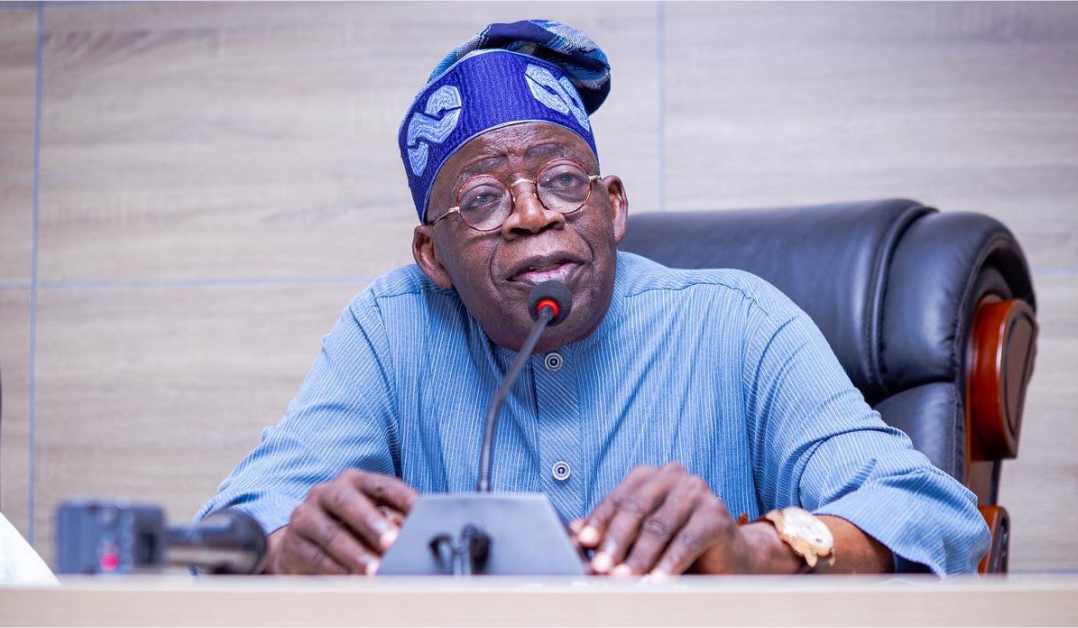
In a letter addressed to President Tinubu at the State House, Abuja, the JNPSNC said the recent increase in fuel prices to N1,430 per litre and above in some locations had further aggravated the cost-of-living crisis facing workers and Nigerians generally.
More Read

The council gave the Federal Government until Wednesday, September 30, 2026, to take action on its demands, warning that the prevailing economic hardship was generating palpable tension among workers and the wider population.
According to the JNPSNC, the removal of fuel subsidy three years ago triggered a sharp increase in fuel prices and had produced multiplier effects on the prices of essential commodities and services across the economy.
The council argued that the distribution of food palliatives was not a sustainable solution to the crisis.
More Read

It said the provision of items such as rice, noodles, vegetable oil and garri amounted to an unsustainable intervention that did not address the underlying economic challenges confronting Nigerians.
The workers instead urged the Federal Government to introduce measures capable of reducing the cost of living across the country, particularly through an intervention that would bring down fuel prices.
The JNPSNC proposed that government make fuel available at N500 per litre, arguing that lower fuel prices would have a multiplier effect across the economy by reducing transportation and production costs.
The council also called for the creation of a fuel intervention fund for stakeholders in the oil sector to stabilize pump prices.
It said if the government was uncomfortable with the term “fuel subsidy”, another description could be adopted for the proposed intervention.
According to the council, such an intervention would enable Nigerians across different income groups and locations to benefit from reduced fuel costs.
More Read

The JNPSNC also endorsed a position attributed to the President of the Nigeria Labour Congress (NLC), Joe Ajaero, on measures to address the fuel crisis.
Among the proposals was the sale of sufficient crude oil in naira to local refineries, expansion of national storage capacity and the development of measures to provide an energy buffer during periods of international market volatility.
The labour position also argued that government intervention to subsidise citizens could be justified during emergency situations, particularly given the economic pressures facing households.
The JNPSNC said it “wholeheartedly subscribes” to the position attributed to the NLC leadership and urged the Federal Government to consider the proposals for immediate implementation.
Workers Demand Wage Award
Beyond fuel prices, the civil servants demanded an immediate Wage Award covering workers at the Federal, State and Local Government levels.
The council also called for an upward review of salaries and allowances for serving public servants across the Nigerian Public Service.
It described the Wage Award as an urgent intervention that should precede the implementation of a substantive new National Minimum Wage expected to take effect in January 2027.
The workers also demanded the immediate establishment of a committee to negotiate the new National Minimum Wage.
According to the council, beginning the negotiation process early would help prevent delays and ensure that the new wage regime takes effect from January 2027.
N500,000 Minimum Salary Proposed
One of the major demands contained in the workers’ submission is a proposal that the minimum salary payable to an officer on Grade Level 01, Step 1, should be N500,000 per month under the proposed 2027 salary structure.
The council also called for harmonized wages across Ministries, Departments and Agencies (MDAs), while urging corresponding reviews at the State and Local Government levels.
It further demanded periodic salary and allowance adjustments linked to inflation, alongside welfare measures including subsidised transportation and affordable housing for civil servants.
The JNPSNC said public servants remained critical to governance and national development, describing them as the backbone of government policy implementation and essential public service delivery.
It said rising inflation, fuel prices, transportation costs and the increasing cost of food, housing, healthcare and education had significantly eroded the purchasing power of workers.
“Many workers are now struggling to meet basic financial obligations, which has inevitably affected the morale, motivation, and overall productivity within the Public Service,” the council stated.
Council Seeks Presidential Intervention
The JNPSNC urged President Tinubu to direct the National Salaries, Incomes and Wages Commission (NSIWC) to immediately commence discussions with the Nigeria Labour Congress (NLC), Trade Union Congress of Nigeria (TUC), JNPSNC and other relevant stakeholders.
The discussions, according to the council, should focus on the proposed Wage Award and upward review of salaries and allowances.
The workers expressed concern that failure to address the situation could further heighten tension across the country.

The council said it expected the Federal Government to respond to its demands on or before September 30, 2026, “to douse the palpable tension that may erupt.”
It also expressed hope that President Tinubu’s forthcoming Independence Day broadcast would address the concerns raised by Nigerian workers.
The council said Nigerian workers and other citizens were looking forward to concrete measures that would ease the economic burden currently confronting households and restore purchasing power across the country.