The ECOWAS Court of Justice has proposed sweeping institutional reforms, including the creation of an appellate chamber and stronger mechanisms to enforce its judgments, in response to longstanding challenges undermining regional justice.
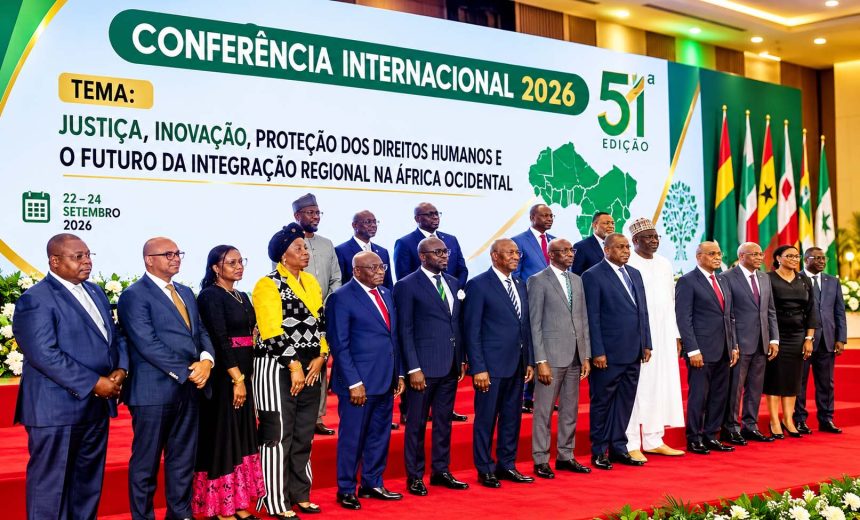
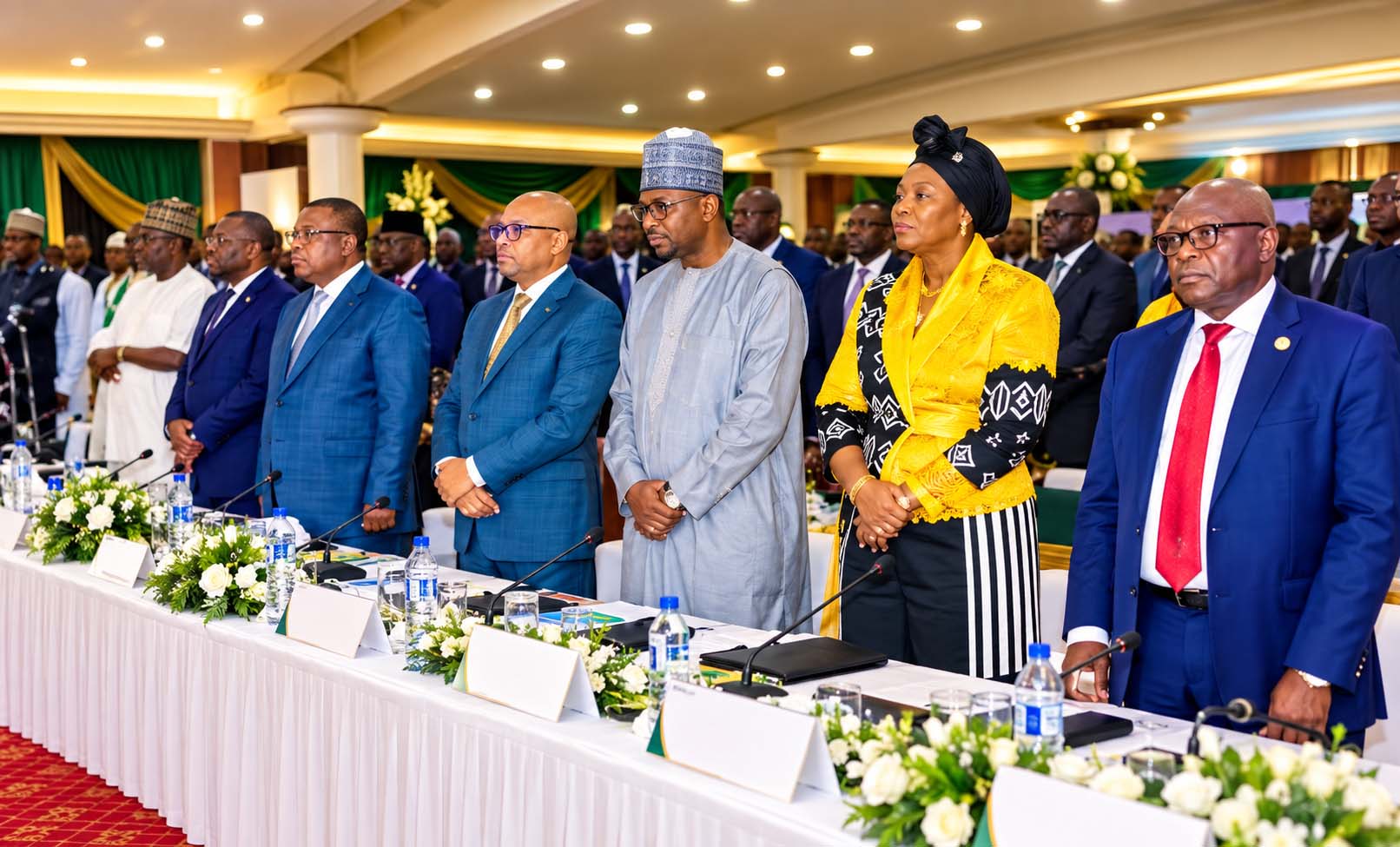
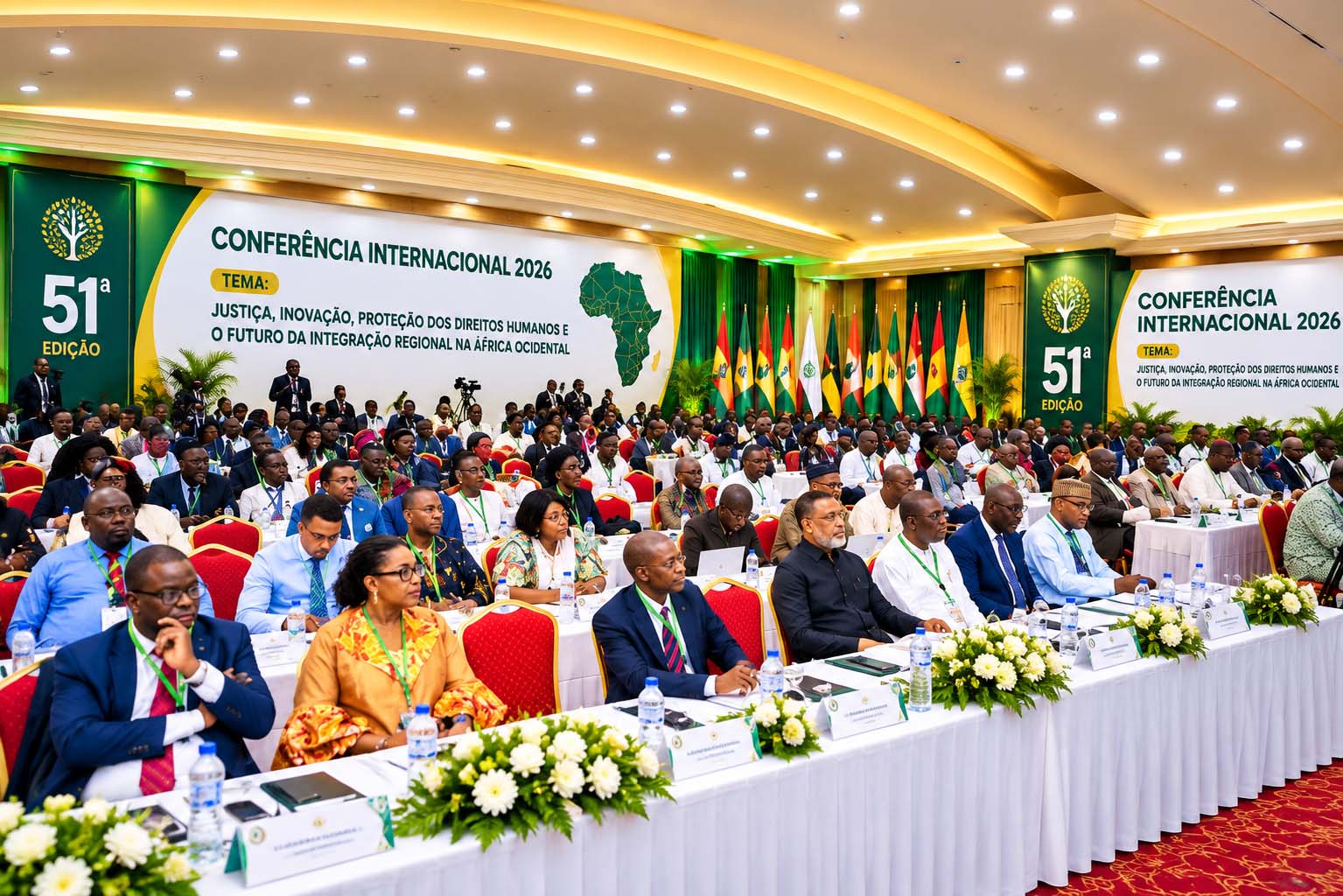
The recommendations emerged from the Court’s 2026 International Conference in Dakar, Senegal, held under the theme, “ECOWAS Court of Justice at the Crossroads: Justice, Innovation, Human Rights Protection and the Future of Regional Integration in West Africa.”
According to the conference communiqué, the proposed reforms are directed at the Authority of Heads of State and Government, the Council of Ministers, the ECOWAS Commission and the ECOWAS Parliament.
Proposed Appellate Chamber
One of the major recommendations is the establishment of an Appeal Division to allow the Court to review its decisions, correct legal errors and promote consistency in its judgments.
The communiqué stated that creating the division would require amendments to the ECOWAS Revised Treaty and other relevant legal instruments, alongside clearly defined jurisdiction and procedures.
The proposed framework would specify who could appeal, which decisions would be subject to appeal, the grounds and time limits for filing appeals, the qualifications of appellate judges and how appeals would affect the enforcement of existing judgments.
The conference also recommended a transparent, independent and non-political process for appointing appellate judges, supported by adequate financial and human resources.
Participants urged a technical committee to examine whether the proposed chamber could sit periodically instead of operating permanently, in order to reduce financial pressures.
However, the communiqué cautioned that an appellate structure alone would not resolve the Court’s persistent judgment-compliance problems.
Judgment Compliance Remains a Major Challenge
The conference identified the implementation of the Court’s binding decisions as its most significant institutional challenge.
According to the communiqué, only about 18 to 22 per cent of the Court’s enforceable judgments are currently being implemented, with several Member States yet to comply with a single judgment.
Participants attributed the low compliance rate to the Court’s limited coercive powers, inadequate domestication of Community legal instruments, resistance from some national courts and weaknesses in the existing enforcement framework.
The designation of Ministries of Justice as competent national authorities responsible for implementing judgments was also identified as a contributing institutional weakness.
To address these challenges, the conference recommended intensified diplomatic and political engagement with Member States, including the creation of a dedicated channel for reporting non-compliance to the highest political authorities.
It further proposed that political pressure could be applied where necessary, while safeguarding national dignity and regional stability.
New Monitoring and Enforcement Measures
The communiqué called for an official regional mechanism to monitor the execution of the Court’s judgments, with supervisory responsibilities involving the Authority of Heads of State and Government and the Council of Ministers.
It also recommended establishing a dedicated compliance-monitoring unit within the ECOWAS Commission and requiring the Court to publish annual reports on Member States’ judgment-implementation records.
Other proposals include clarifying available sanctions, such as monetary penalties, and considering additional measures against countries that persistently fail to comply with binding decisions.
The conference also proposed creating a compensation fund for victims, potentially financed through agreed contributions from the Community levy, to strengthen remedies available to those affected by violations.
Member States were urged to honour the Court’s binding judgments, domesticate Community laws and empower national human rights institutions to coordinate the implementation of decisions.
Human Rights, Artificial Intelligence and Regional Integration
Beyond institutional reforms, the conference addressed a range of emerging legal and human rights challenges facing West Africa.
Its recommendations included stronger safeguards for digital rights, responsible governance of artificial intelligence, expanded environmental accountability and improved protection for refugees and people displaced by conflict or other emergencies.
Participants also called on the ECOWAS Authority of Heads of State and Government to take resolute action against xenophobic attacks targeting fellow Africans and migrants within the Community.
Other issues discussed included arbitration, environmental justice, data protection and the future of regional integration.
The communiqué was moved for adoption by Dr Janet Gbam, seconded by Professor Mohammed Ladan and presented at the conference’s closing ceremony.
The proposed reforms now place the responsibility for further consideration and potential implementation before the relevant ECOWAS institutions and Member States.