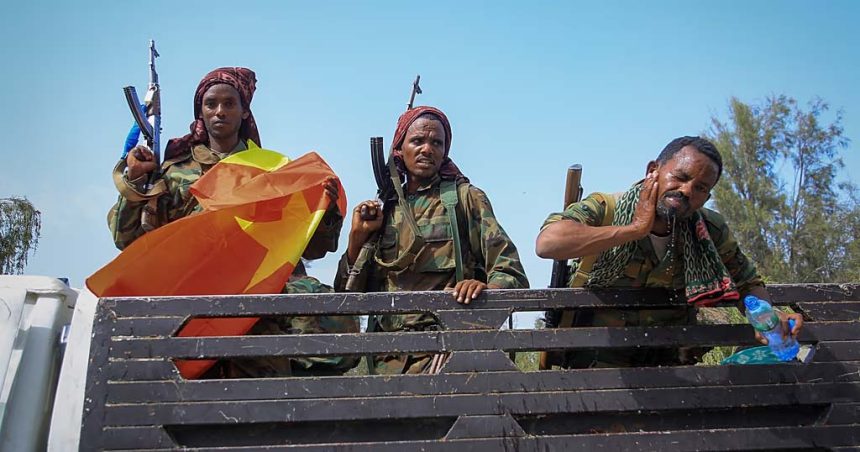
ADDIS ABABA, Ethiopia — Seven armed groups in Ethiopia, including the Tigray People’s Liberation Front (TPLF), Amhara nationalist Fano militias and the Oromo Liberation Army (OLA), have formed an alliance aimed at challenging the country’s federal government and paving the way for a transitional administration.
A senior TPLF official, Vice President Amanuel Assefa, confirmed the development on Sunday, saying the groups had been discussing cooperation for more than a year.
“We just formed an alliance. We are collaborating with several groups and our objectives are to remove the regime and facilitate a transitional government,” Assefa told AFP.
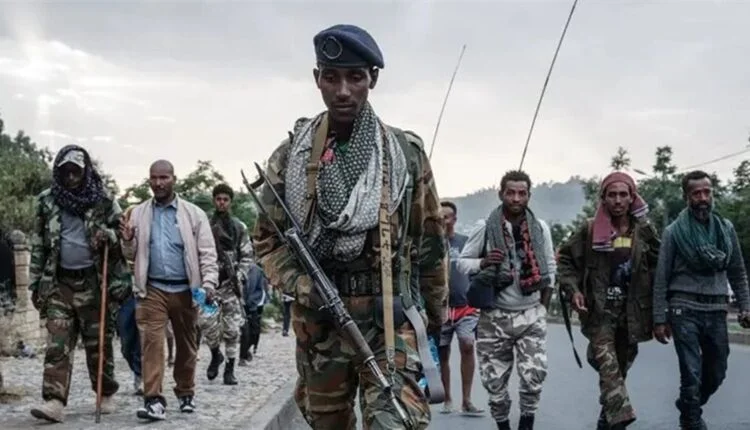
According to the TPLF official, the alliance brings together forces from some of Ethiopia’s most conflict-affected regions. The seven groups include Tigrayan forces, Amhara Fano fighters and the OLA, which has been engaged in an armed insurgency in Oromia, Ethiopia’s most populous region.
More Read

Assefa said Fano leader Zemene Kasse would chair the newly established alliance.
The announcement comes amid renewed concerns over a possible escalation of tensions between the Ethiopian federal government and forces in the northern Tigray region.
The African Union has reported that both federal government forces and TPLF forces have been massing troops along the Tigray border in recent months, raising fears of a return to large-scale conflict.
More Read

The previous Tigray war, which began in 2020 and ended with a peace agreement in 2022, resulted in an estimated hundreds of thousands of deaths and created a major humanitarian crisis.
Government Yet to Respond
Ethiopian federal authorities had not publicly responded to AFP’s request for comment on the reported alliance at the time of publication.
Regional security analyst Kjetil Tronvoll of Oslo New University College questioned whether the newly formed coalition would be capable of successfully overthrowing the federal government.
Tronvoll pointed to the Ethiopian government’s military capabilities, including its use of drones, while warning that sustaining a prolonged conflict could prove difficult for the armed groups.
However, he acknowledged that coordination among the groups could create significant challenges for the government.
“If they coordinate as a military command, it may make a difference,” Tronvoll told AFP, noting that the government could potentially face fighting on four or five fronts simultaneously.
More Read

He also raised questions about what would happen if the alliance succeeded, given the differences in political objectives and ideologies among the groups.
Groups Have History of Conflict
The announcement comes despite a complicated history between some of the groups now said to be cooperating.
Ethiopia has experienced persistent armed conflicts in Oromia and Amhara, its two most populous regions.
The federal government has been fighting the OLA in Oromia since 2018. The government has designated the OLA a terrorist organization, a classification the group disputes.
In Amhara, the Fano militias took up arms against the federal government in 2023 after authorities began efforts to disarm regional militias.
Fano fighters were also previously allied with federal forces during the Tigray conflict, when they fought against Tigrayan forces.
The groups have additionally been divided by territorial disputes, particularly over Western Tigray, a strategically important area claimed by both Tigray and Amhara.
Western Tigray has remained under the administration of Amhara nationalists since the end of the Tigray war.
Despite the longstanding disagreements, Assefa said the groups intend to address their disputes through political dialogue.
“We will sit at the table later to solve our problems peacefully,” he said.
The formation of the alliance could therefore mark a significant development in Ethiopia’s complex security landscape, although questions remain over its military coordination, political objectives and ability to maintain cooperation among groups with a history of confrontation.