
The National Drug Law Enforcement Agency (NDLEA) says it has counselled, treated and rehabilitated 53,843 persons struggling with drug use across its 31 rehabilitation centres nationwide over the past five years, as part of efforts to tackle substance abuse and promote mental health in Nigeria.
The agency also disclosed that it conducted 17,213 outreaches under its War Against Drug Abuse (WADA) campaign within the same period, reaching schools, tertiary institutions, markets, places of worship, workplaces and communities with messages on the dangers of drug abuse.
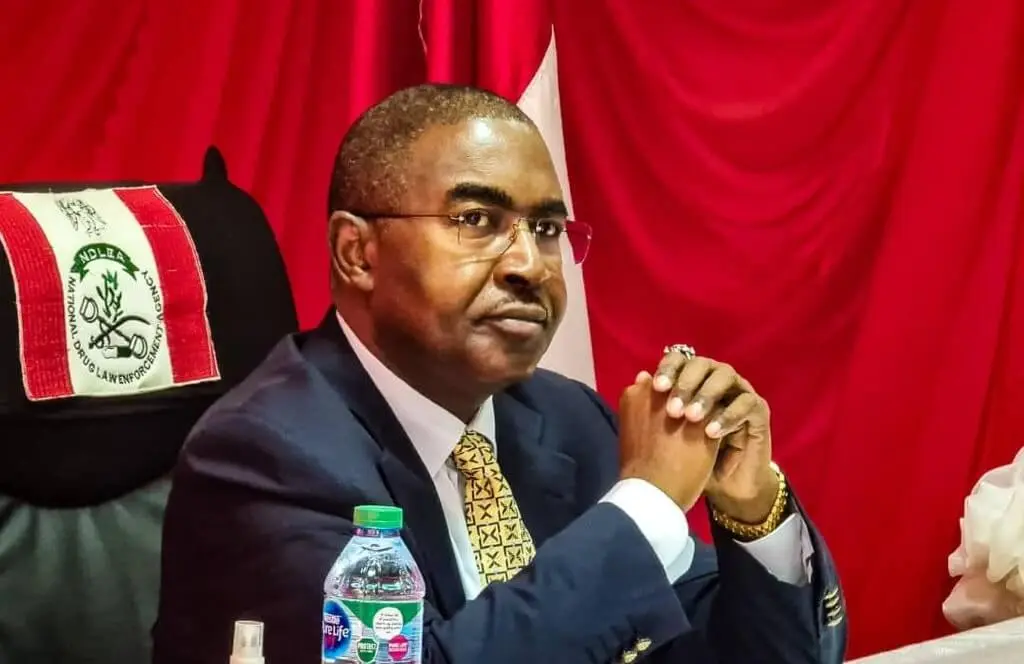
The Chairman and Chief Executive Officer of the NDLEA, Brigadier General Mohamed Buba Marwa (retd.), disclosed the figures in remarks delivered by the Assistant Comptroller-General, Archie-Abia Ibinabo, Director of Seaport Operations, at the fourth Vanguard Mental Health Summit held in Lagos on Friday.
Marwa, who attended the summit as Special Guest of Honour, emphasized the strong connection between mental health challenges and substance abuse, warning that efforts to address drug use among young Nigerians would remain incomplete without adequate attention to their emotional and psychological well-being.
According to him, the agency regularly encounters cases in which drug use is associated with underlying psychological difficulties, including anxiety, depression and unresolved trauma.
More Read

“At the NDLEA, we meet this reality every day. Behind almost every case of drug abuse is a story of pain: anxiety nobody noticed, depression nobody named, trauma nobody treated,” he said.
He explained that some young people resort to drugs as a coping mechanism for emotional distress, making it necessary to strengthen access to mental health services alongside existing efforts to disrupt drug trafficking networks and prevent substance abuse.
More Read

NDLEA Emphasizes Prevention, Treatment and Rehabilitation
Marwa stated that while the agency would continue its operations against drug traffickers and criminal cartels, enforcement alone could not address the country’s drug abuse challenges.
He noted that the NDLEA’s approach also prioritizes drug demand reduction through prevention, counselling, treatment and rehabilitation, with the objective of helping affected individuals recover and reintegrate into society.
The WADA campaign, he explained, was designed to expand public awareness and discourage drug use through community engagement and educational programmes across different segments of Nigerian society.
The 17,213 outreaches recorded over five years reflect the agency’s efforts to take anti-drug messages beyond enforcement operations and into places where young people and other vulnerable groups live, study and work.
Social Media and Technology Pose New Challenges
The NDLEA chairman also raised concerns about the influence of technology and social media on the mental health of young Nigerians.
He identified cyberbullying, unrealistic social comparisons, excessive screen time and online content that glamorizes drug consumption as factors that could negatively affect young people’s psychological well-being and attitudes towards substance use.
More Read

Marwa further warned that drug traffickers were increasingly exploiting digital platforms to reach potential users, highlighting the need for stronger online awareness campaigns to counter misleading narratives and discourage drug consumption.
He urged parents and school authorities to encourage open conversations about responsible technology use, emotional well-being and the dangers associated with substance abuse.
According to him, effective digital campaigns and stronger public education are essential to ensuring that young Nigerians have access to accurate information and the support needed to make informed decisions.
NDLEA Calls for Affordable Mental Healthcare
Speaking on the summit’s theme, “Advancing Youth Mental Health in Nigeria through Access, Action and Advocacy,” Marwa stressed the importance of making mental healthcare and addiction treatment affordable and accessible to Nigerians, regardless of their financial circumstances or geographical location.
He called for increased investment in the training of mental health professionals, improved integration of mental health services into primary healthcare and treatment systems capable of supporting young people who need assistance.
The NDLEA chairman also highlighted the importance of early intervention, particularly in schools and other environments where signs of emotional distress may first become apparent.
He said identifying and supporting students experiencing psychological difficulties could prevent their challenges from worsening and potentially reduce the need for more intensive rehabilitation services later.
Marwa identified stigma as another major barrier preventing people from seeking mental health support. He called on parents, teachers, religious leaders and the media to create environments where young people could discuss their challenges without fear of discrimination or condemnation.

Call for Stronger Collaboration
Marwa called for greater collaboration among government agencies, healthcare professionals, educational institutions, civil society organizations, the private sector and the media to strengthen drug prevention programmes, referral systems, treatment services and public awareness initiatives.
He maintained that tackling substance abuse requires a coordinated response that combines law enforcement with education, early intervention, mental health support and rehabilitation.
Addressing young Nigerians directly, the NDLEA chairman encouraged them to seek assistance early, support friends experiencing difficulties and reject the use of drugs as a means of coping with life’s challenges.
“Your struggles are real, but so is your potential. Seek help early, speak up, look out for one another, and say no to drugs. Your life is worth more than any substance,” he said.
The figures released by the agency underscore the scale of its prevention and rehabilitation activities over the past five years, while Marwa’s remarks highlight the need to treat substance abuse not only as a law enforcement concern but also as a public health and mental health challenge.
As Nigeria continues to confront drug abuse among young people, sustained investment in prevention, accessible treatment, public education and early mental health intervention remains central to efforts to protect vulnerable individuals and support long-term recovery.