
The Central Bank of Nigeria has intensified its enforcement of banking regulations, introducing stricter risk-based capital requirements, tighter scrutiny of insider lending and stronger corporate governance measures to safeguard the banking sector following the recent recapitalization exercise.
The Central Bank of Nigeria (CBN) has stepped up its regulatory oversight of financial institutions, warning banks to align their capital reserves with the risks they undertake while strengthening compliance with existing prudential and corporate governance rules.
The new enforcement drive is aimed at preserving the stability of Nigeria’s banking sector, protecting depositors and preventing a recurrence of the financial difficulties that necessitated previous industry-wide recapitalization efforts.
Director of Banking Supervision at the CBN, Dr Olubukola Akinwunmi, disclosed the development at the 37th edition of the Finance Correspondents Association of Nigeria (FICAN) Conference held recently in Abuja.
According to Akinwunmi, the regulator is implementing a risk-based capital requirement framework issued in March 2026 to ensure that banks maintain sufficient capital to absorb potential losses arising from their individual business activities and risk exposures.
More Read

He explained that the framework goes beyond the traditional approach of requiring banks to maintain a uniform minimum capital threshold, taking into account differences in business models, lending practices and exposure to financial risks.
Under the framework, banks with higher risk exposures will be expected to maintain more capital to withstand potential losses and remain financially resilient.
“It’s not just about maintaining a minimum capital requirement. It’s about maintaining a capital requirement that speaks to the level of risk exposure or risk-taking that a bank has decided to embark on based on its business model,” Akinwunmi said.
More Read


CBN Introduces Stricter Risk-Based Capital Requirements
The CBN director explained that the framework, anchored on Sections 13 and 63 of the Banks and Other Financial Institutions Act (BOFIA), requires banks to undergo stress tests to determine whether their capital positions can withstand adverse economic and financial conditions.
The assessments will consider several risk factors, including concentrated loan portfolios, foreign exchange exposure, governance weaknesses and complex banking activities.
Banks will also be tested against potential shocks arising from deteriorating asset quality, disruptions in specific economic sectors, broader macroeconomic instability and governance-related challenges.
Akinwunmi said the objective was to ensure that banks maintain adequate capital relative to the risks they assume, rather than simply accumulating capital without considering the quality of their assets or the potential losses associated with their lending decisions.
He noted that the initiative was particularly important following the recent banking sector recapitalization, as the CBN seeks to ensure that the additional capital raised by financial institutions translates into long-term stability.
More Read

“This is a key thing that is happening quietly but it is meant to ensure that we maintain resilience even after the banking sector recapitalization,” he said.
Insider Lending Under Increased Scrutiny
The regulator has also intensified its crackdown on insider lending, a practice in which banks extend credit facilities to their owners, shareholders, directors, senior executives or other related parties.
Akinwunmi disclosed that the CBN was strictly enforcing its Insider Credit Circular issued in February 2025, with some bank owners, shareholders and board members exiting institutions amid concerns surrounding insider-related credit facilities.
He said the regulator had warned some banks that continued insider credit involving certain individuals could affect their eligibility to remain on the boards of the institutions.
According to him, insider lending presents significant risks when credit decisions are influenced by personal relationships or private interests rather than sound banking principles and proper risk assessments.
Such practices can weaken loan recovery, undermine the quality of bank assets, erode shareholders’ funds and threaten the safety of depositors’ money.
“If there is poor corporate governance, if insider credit pervades the industry, in a short time, we will all live to see a repeat of the problem that we have battled or dealt with through recapitalization,” he warned.
The CBN’s position signals a tougher approach towards bank executives and directors who fail to comply with existing rules governing related-party transactions and responsible lending.
CBN Reaffirms Rules on Banks’ Offshore Investments
Akinwunmi also addressed reports suggesting that the CBN had introduced a new regulation preventing Nigerian banks from expanding their operations into other African countries.
He clarified that no new rule had been introduced, explaining that the regulator was simply enforcing existing requirements governing banks’ investments in foreign subsidiaries.
“There was no new rule. What simply happened was that we enforced the existing rules,” he said.
According to the CBN director, existing regulations limit a bank’s investment in foreign or offshore subsidiaries to 10 per cent of its shareholders’ funds.
He explained that the requirement had either been breached or inadequately enforced in the past, but the CBN was now determined to ensure strict compliance.
The regulator’s position is that banks must not channel the additional capital raised during the recapitalization exercise into excessive offshore investments that could expose them to additional financial and operational risks.
The clarification suggests that Nigerian banks remain subject to existing requirements governing international expansion, even as the CBN strengthens enforcement of the rules.
Corporate Governance Failures Could Threaten Banks
The CBN has also increased its focus on corporate governance, with Akinwunmi identifying weak oversight, excessive risk-taking, insider abuses, poor credit decisions and ineffective internal controls as factors that have contributed to banking failures in Nigeria and other countries.
He said the regulator was paying closer attention to the qualifications, professional experience and integrity of individuals appointed to senior management and board positions within financial institutions.
According to him, the quality of leadership in banks is critical to maintaining financial stability because poor management decisions can lead to reckless lending, inadequate risk management, capital erosion and eventual institutional failure.
The CBN is therefore seeking to ensure that banks maintain effective internal controls, responsible board oversight and sound decision-making processes.
The intensified supervision is expected to place greater responsibility on bank directors and senior executives to demonstrate that their institutions are operating within the limits of acceptable financial risk.
CBN Deploys Digital Tools to Strengthen Bank Supervision
In another development, Akinwunmi disclosed that the CBN had introduced a digital Supervisory Examination Application to improve the efficiency, transparency and accountability of its bank examination processes.
The application will allow examiners to conduct much of their supervisory work digitally while maintaining records of examinations, assessments and regulatory decisions.
According to him, the platform will enable the regulator to monitor how individual examiners arrive at their conclusions and determine whether supervisory assessments have been altered without appropriate justification.
The system is also expected to preserve the knowledge and professional experience of senior examiners who eventually leave the service, making their expertise available to younger supervisors through artificial intelligence-enabled tools.
Akinwunmi said the CBN was equally deploying data analytics and historical information on individual banks to improve its ability to identify emerging risks and intervene before they threaten financial stability.
The adoption of these technologies is expected to support more consistent supervision, strengthen institutional knowledge and improve the regulator’s capacity to detect warning signs before they develop into serious banking problems.
Banks Face Tougher Enforcement of Prudential Rules
The CBN director further disclosed that the regulator had strengthened its corrective supervisory measures, requiring banks to implement recommendations arising from examinations promptly.
He said the CBN had become stricter in enforcing rules governing single obligor limits, loan portfolio diversification and other prudential requirements following the end of previous regulatory forbearances.
The measures mean that banks can no longer rely on the regulatory concessions that previously allowed certain prudential requirements to be breached or temporarily relaxed.
The stricter approach is intended to ensure that financial institutions comply with established limits on lending concentration, manage their exposures responsibly and maintain adequate safeguards against unexpected losses.
Akinwunmi said the CBN, under the leadership of Governor Olayemi Cardoso, was committed to ensuring that banking regulations were applied consistently across the industry.
“The Central Bank of Nigeria, under the leadership of Mr Olayemi Cardoso, has made it clear to the banking system that we will follow the rules to the letter,” he said.
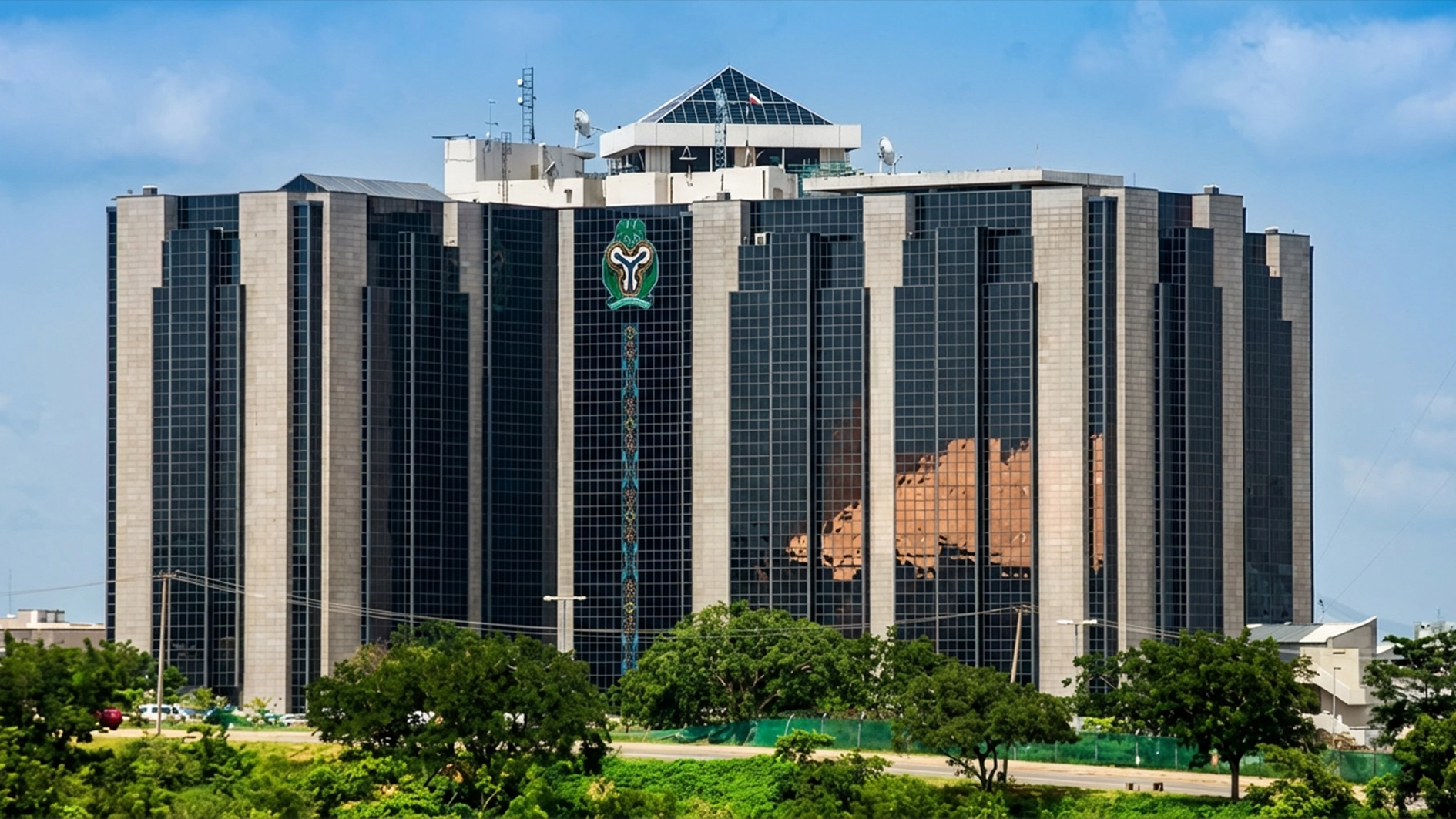
Implications for Nigeria’s Banking Sector
The CBN’s strengthened enforcement regime comes as Nigeria’s banking industry adjusts to the effects of recapitalization and prepares to support broader economic growth.
For banks, the measures could require stronger capital planning, improved credit assessments, closer monitoring of foreign exchange exposures and more rigorous management of related-party transactions.
Financial institutions with concentrated loan portfolios, weak governance structures or significant exposure to high-risk activities may face greater pressure to strengthen their capital positions and internal controls.
For depositors and customers, effective supervision could help reduce the risk of bank failures and improve confidence in the financial system. However, the ultimate impact will depend on how consistently the rules are implemented and how effectively banks respond to identified weaknesses.
Investors and shareholders may also face greater scrutiny of their relationships with banks, particularly where insider lending, board independence or excessive risk-taking raises concerns about the protection of depositors’ funds.
The CBN’s emphasis on stress testing, digital supervision and data analytics also reflects a broader effort to identify financial vulnerabilities earlier and take corrective action before they escalate.
Ultimately, the regulator says the objective is to build a resilient banking sector capable of withstanding economic shocks, protecting depositors and providing sustainable support for Nigeria’s economic growth and development.