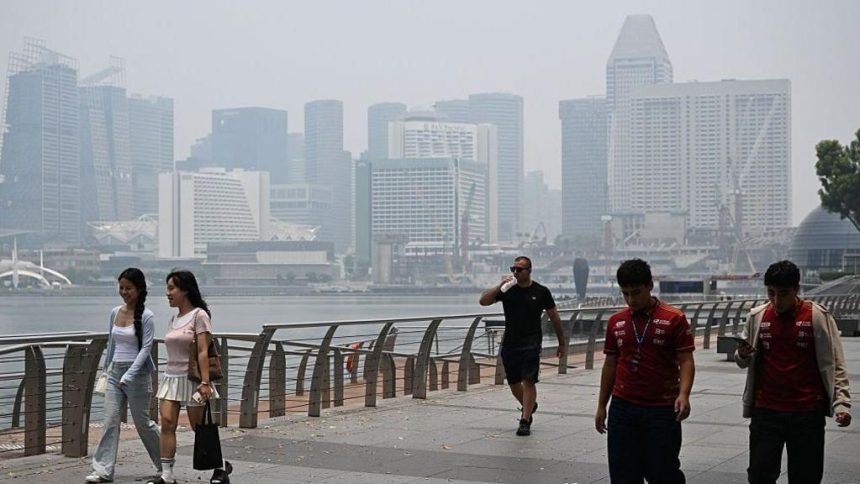
A thick blanket of toxic haze has raised environmental and public health concerns across parts of Southeast Asia, with Malaysia closing schools in affected areas as air pollution levels surge and Singapore experiences dangerously poor air quality.
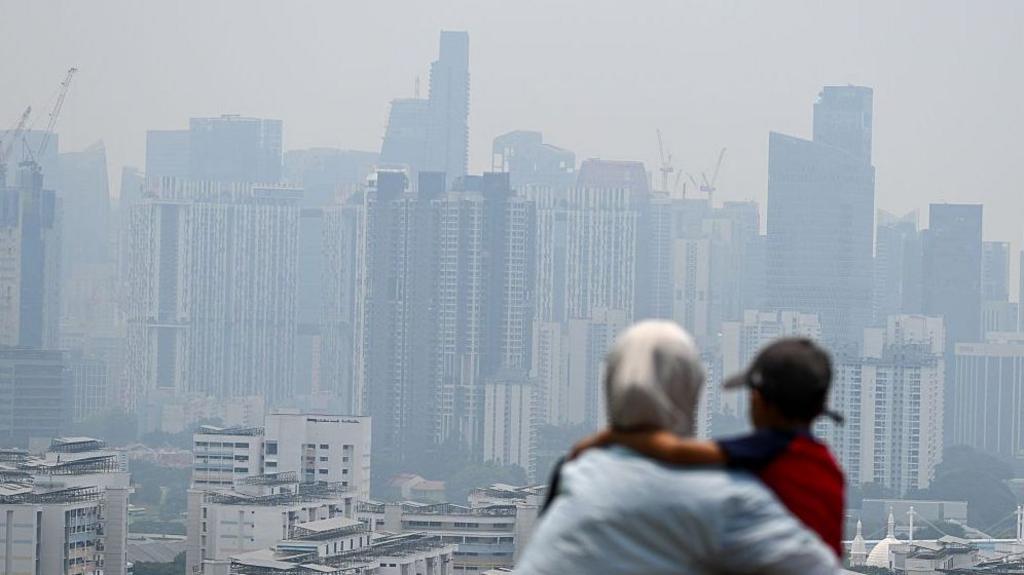
The situation highlights the continuing threat posed by regional haze, which can affect millions of people, disrupt daily activities and increase the risk of respiratory illnesses, particularly among children, older people and those with existing breathing difficulties.
Regional Wildfires Blamed for Spreading Haze
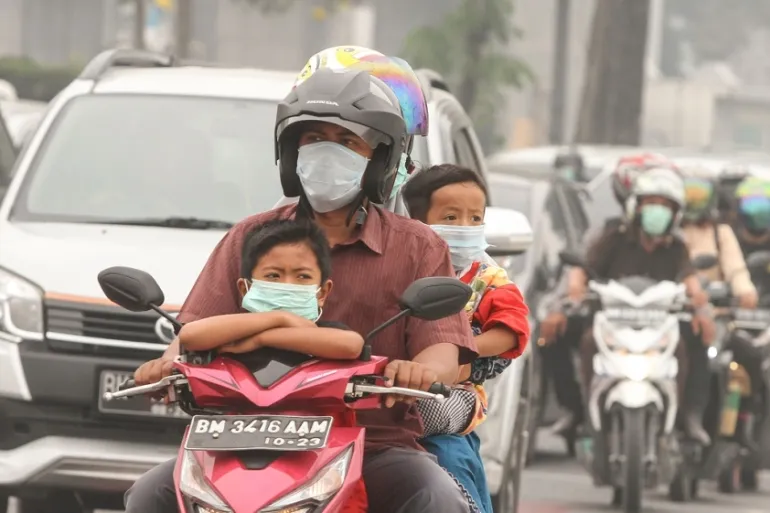
The pollution crisis has been linked to smoke from forest and land fires in neighbouring Indonesia, where prolonged dry weather has increased the risk of wildfires and allowed smoke to spread across national borders. The resulting haze has affected communities in Malaysia and Singapore, renewing concerns about Southeast Asia’s recurring transboundary air pollution problem.
According to reports published this week, Singapore’s air pollution rose to the worst level globally among cities monitored by IQAir, with readings entering the “very unhealthy” category. Malaysia’s capital, Kuala Lumpur, also ranked among the world’s most polluted cities during the episode.
More Read

In Malaysia, authorities have moved to protect students from prolonged exposure to polluted air. The Education Ministry announced that educational institutions in areas recording Air Pollutant Index (API) readings above 180 must close. Schools in areas where readings remain above 150 for three consecutive days are also required to close under the revised measures, with home-based learning arrangements introduced for affected students.
Air Quality Raises Public Health Concerns
The worsening haze poses particular risks to children, older people and individuals with asthma or other respiratory conditions. Exposure to polluted air can cause eye and throat irritation, coughing and breathing difficulties, while prolonged exposure to fine particles can pose more serious health risks.
Residents in affected areas are being urged to monitor official air-quality updates, limit strenuous outdoor activities when pollution levels are high and follow advice from local health authorities.
More Read

The crisis also threatens to disrupt outdoor events and tourism activities in Singapore, which is preparing for its annual Formula One Grand Prix weekend amid the worsening conditions. Organizers have indicated that they are working with relevant agencies to assess any potential impact on the event.
Calls for Stronger Regional Action
The latest episode has once again highlighted the need for coordinated regional action to tackle forest fires, peatland burning and other sources of smoke pollution.
Environmental groups have warned that dry conditions and vulnerable peatlands could allow fires to persist, even when the number of detected fire hotspots declines. Indonesia has intensified firefighting efforts, but the wider crisis demonstrates how environmental emergencies in one country can affect public health and economic activities across the region.
As authorities continue to monitor the situation, the immediate priority remains protecting public health, limiting exposure to hazardous air and preventing the haze from causing further disruption across Southeast Asia.