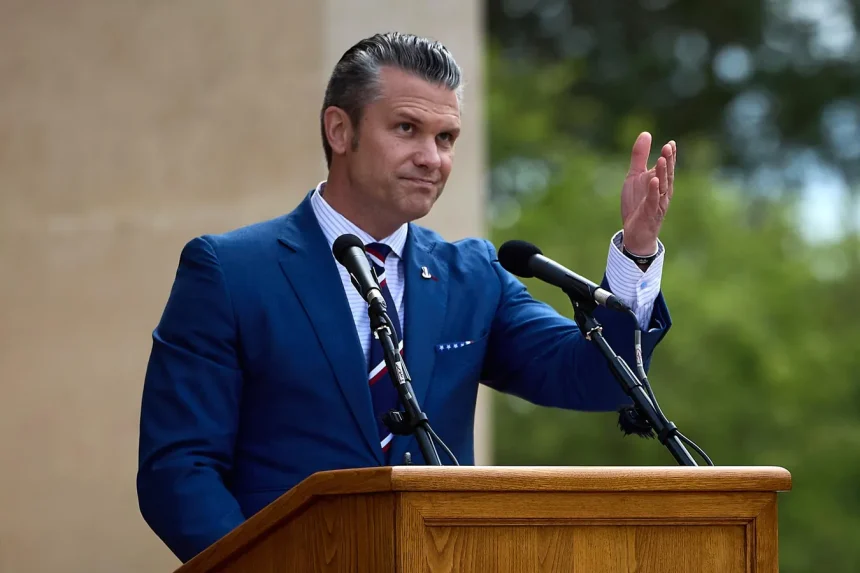
US Defence Secretary Pete Hegseth has sparked fresh controversy after criticizing European nations over migration during a D-Day anniversary ceremony in Normandy, France.
Speaking 82 years after Allied forces stormed the beaches of Normandy to liberate Nazi-occupied Europe, Hegseth drew a comparison between the historic military operation and modern migration flows into Europe.
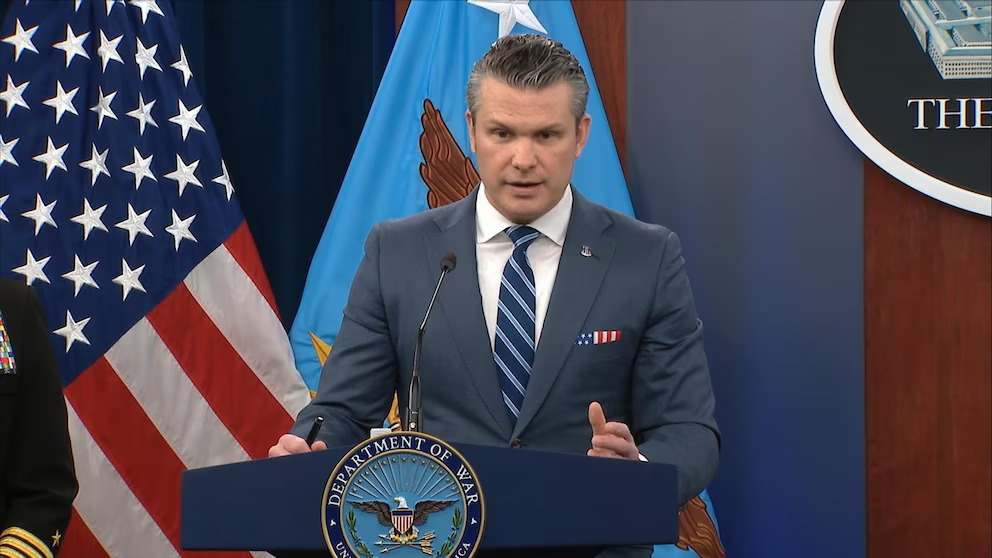
“Sadly, today, different European beaches are stormed by different dangerous ideologies,” Hegseth said. “Beaches in Spain, in Italy, in Greece and Bulgaria. Boats and men arrive. When will European capitals do something about that invasion?”
The remarks come at a time when migration remains one of the most divisive political issues across Europe, with several political parties campaigning on promises to tighten border controls and reduce illegal immigration.
More Read

Hegseth’s comments reflect the broader stance of the administration of Donald Trump, which has made immigration enforcement a central pillar of its domestic agenda. Since returning to office, the Trump administration has pushed for increased funding for border security and immigration agencies while carrying out a nationwide crackdown on illegal immigration.
During his speech, Hegseth also warned that some European nations had become too comfortable with the freedoms secured through the sacrifices of Allied soldiers during World War II.
“The men who fought and died here restored freedom to Europe,” he said. “That freedom must be maintained by this generation of leaders and war fighters or what they fought for was merely temporary.”
More Read

His remarks add to a growing series of criticisms from senior American officials regarding European migration policies. Just a day earlier, U.S. Vice President JD Vance blamed what he described as a “mass invasion of migrants” for social problems in Britain, prompting criticism from UK officials.
Britain’s government swiftly rejected such claims, with Downing Street condemning what it described as attempts by outsiders to interfere in British democracy. Officials also pointed out that a criminal case cited by Vance involved an offender who was born in Britain.
Migration has remained a major challenge for European governments over the past decade. The United Nations recorded more than one million people crossing the Mediterranean into Europe during the peak of the migration crisis in 2015. Although arrivals have since fallen significantly, the issue continues to dominate political debates across the continent.
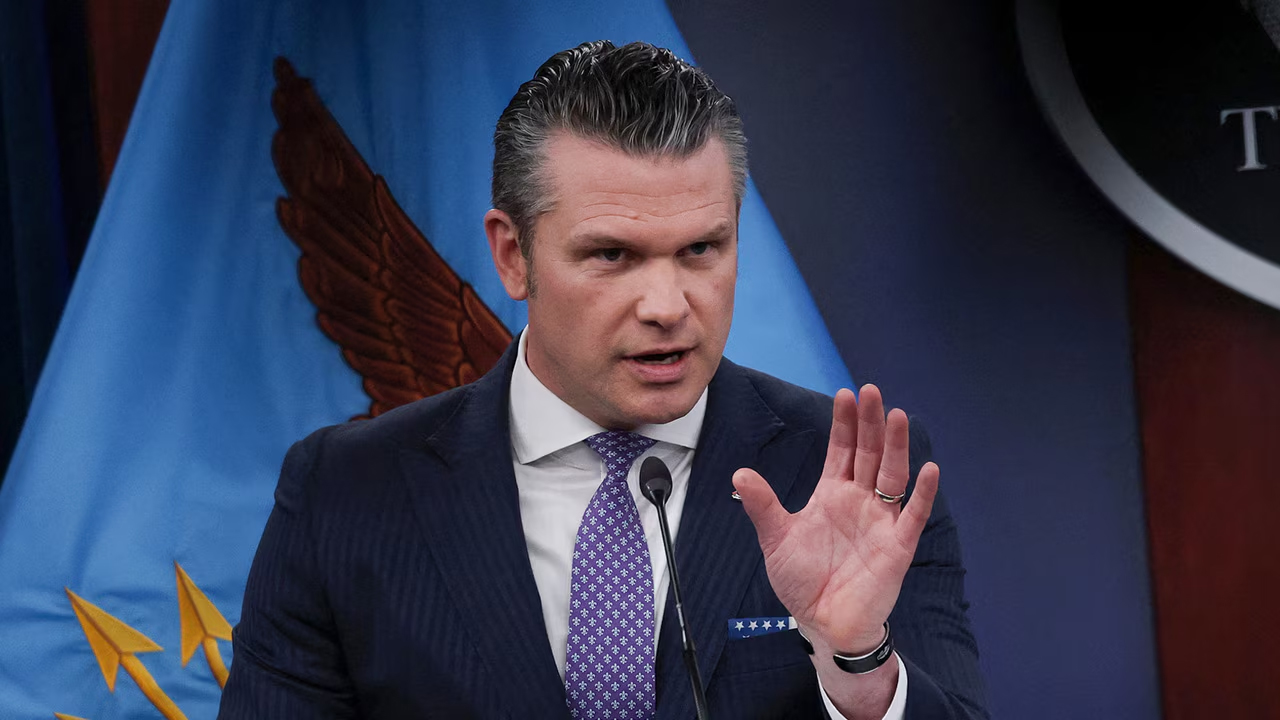
The D-Day landings, which took place on June 6, 1944, remain one of the most significant military operations in history. Tens of thousands of troops from the United States, the United Kingdom, and Canada landed on five beaches in Normandy in a coordinated assault that helped pave the way for the liberation of Western Europe.
Hegseth’s decision to raise the issue of migration during a ceremony honoring those sacrifices has drawn attention on both sides of the Atlantic, highlighting the increasingly heated debate over immigration, national identity, and border security in the modern era.
More Read

What do you think? Was Pete Hegseth right to raise concerns about migration during a D-Day commemoration, or should the event have remained focused solely on history? Let us know in the comments.