The World Health Organization (WHO) has declared the ongoing Ebola outbreak in the Democratic Republic of Congo (DR Congo) a Public Health Emergency of International Concern, raising fears of a wider regional spread as cases continue to rise across Central Africa.
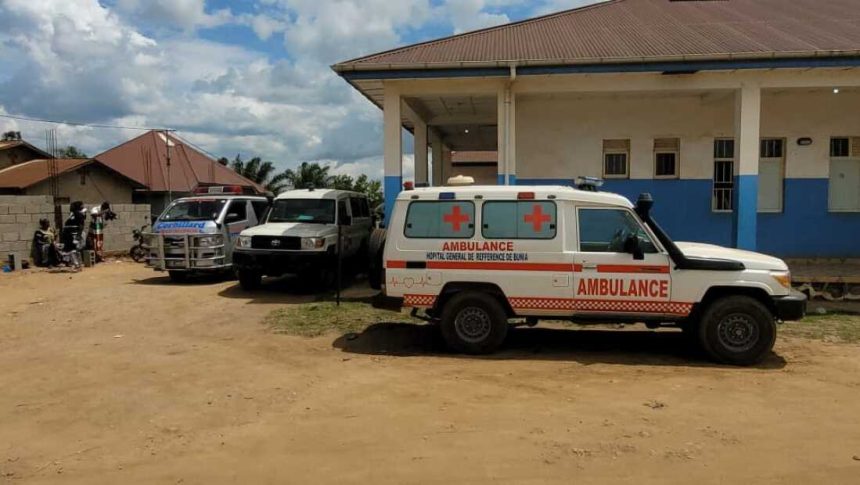
According to the WHO, the outbreak is centered in the eastern Ituri province of DR Congo, where about 246 suspected cases and 80 deaths have already been reported. Although the organization stated that the situation does not yet qualify as a pandemic emergency, officials warned that the outbreak could become significantly larger than current figures suggest.
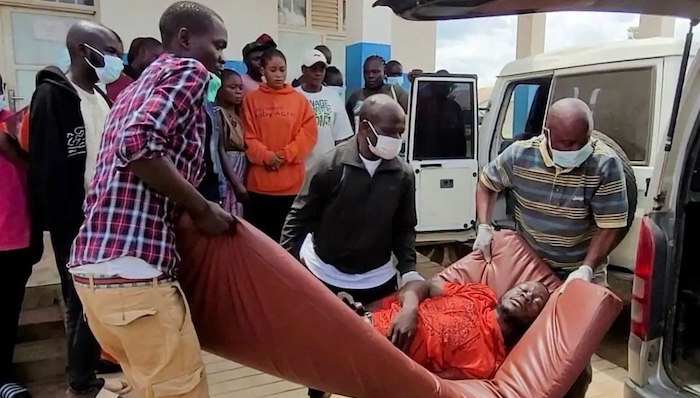
Health authorities revealed that the current outbreak is caused by the Bundibugyo strain of the Ebola virus, a rare species for which there are currently no approved vaccines or effective drugs. Early symptoms include fever, muscle pain, fatigue, headaches, and sore throat, before progressing into vomiting, diarrhoea, rash, and in severe cases, internal and external bleeding.
The WHO confirmed that at least eight laboratory-confirmed cases have been identified across three health zones, including Bunia — the capital of Ituri province — as well as the gold-mining towns of Mongwalu and Rwampara. One confirmed case has also been detected in the Congolese capital, Kinshasa, involving a patient who recently returned from Ituri.
More Read

The virus has already crossed DR Congo’s borders, with neighboring Uganda confirming two Ebola cases linked to the outbreak. Ugandan authorities disclosed that a 59-year-old Congolese man who later died had tested positive for the deadly virus.
Reports have also emerged of a confirmed Ebola case in the eastern city of Goma, an area currently under the control of M23 rebels, raising concerns about the challenges of containing the disease amid ongoing insecurity in the region.
More Read

Meanwhile, international concern is growing after reports indicated that at least six Americans may have been exposed to Ebola in DR Congo. One individual reportedly developed symptoms, although no infections have yet been confirmed. The United States Centers for Disease Control and Prevention (CDC) announced plans to deploy additional health personnel to DR Congo and Uganda to support containment efforts.
Africa Centres for Disease Control and Prevention Director-General Jean Kaseya urged communities to follow strict public health measures, especially during funeral ceremonies, which have historically contributed to the spread of Ebola infections.
“We don’t want people infected because of funerals,” Kaseya warned during an interview with the BBC World Service.
The WHO noted that the humanitarian crisis, insecurity, and heavy population movement within eastern DR Congo have increased the risk of transmission. Authorities are especially worried because several affected areas are urban centers with large informal healthcare systems and busy cross-border trade routes.
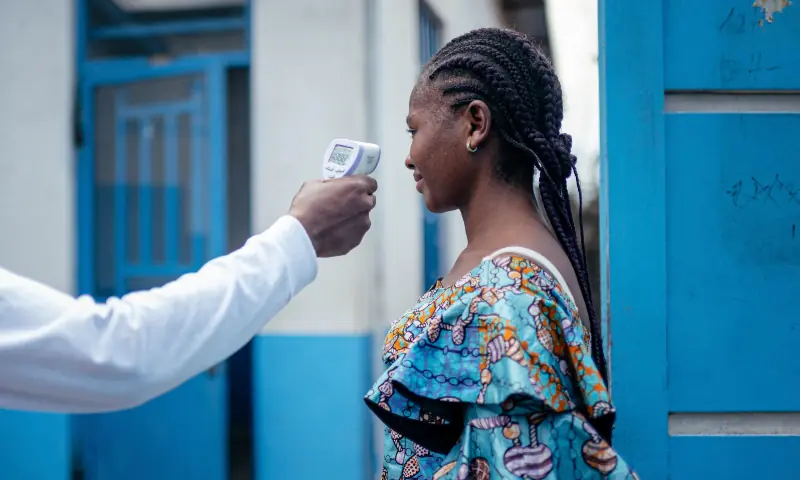
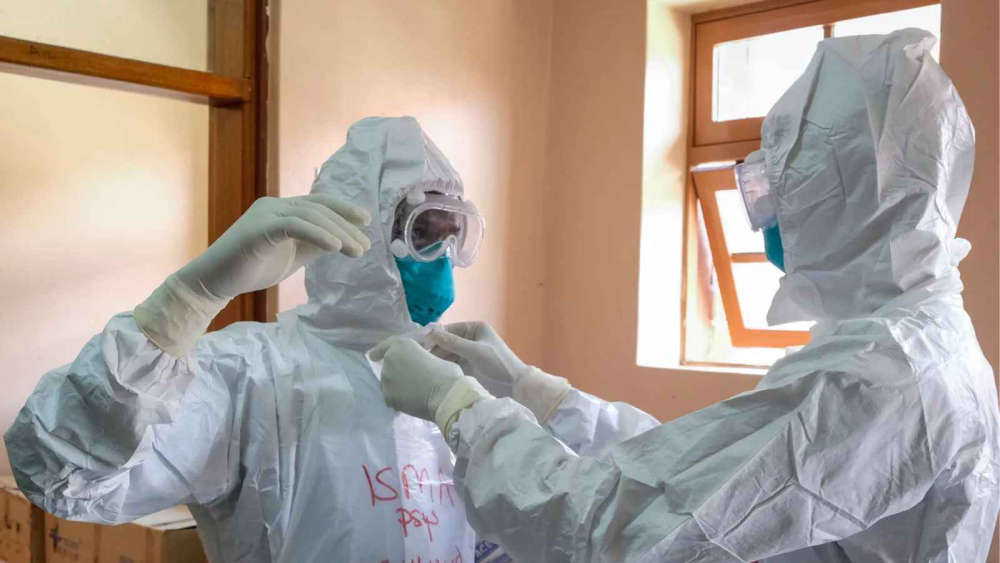
In response, Rwanda announced tighter border screening measures, while neighboring countries have been advised to strengthen surveillance and health monitoring systems. The WHO also urged affected nations to establish emergency operation centers to improve monitoring, contact tracing, and infection prevention measures.
More Read

Despite growing concerns, the WHO advised against border closures or travel bans, insisting that such measures are often driven by fear rather than science.
WHO Director-General Dr. Tedros Adhanom Ghebreyesus cautioned that major uncertainties remain regarding the true number of infections and the geographic spread of the outbreak.
Ebola was first discovered in 1976 in what is now DR Congo and is believed to have originated from infected animals such as fruit bats. This marks the country’s 17th Ebola outbreak, with previous epidemics claiming thousands of lives across Africa. DR Congo’s deadliest outbreak occurred between 2018 and 2020, when nearly 2,300 people died.