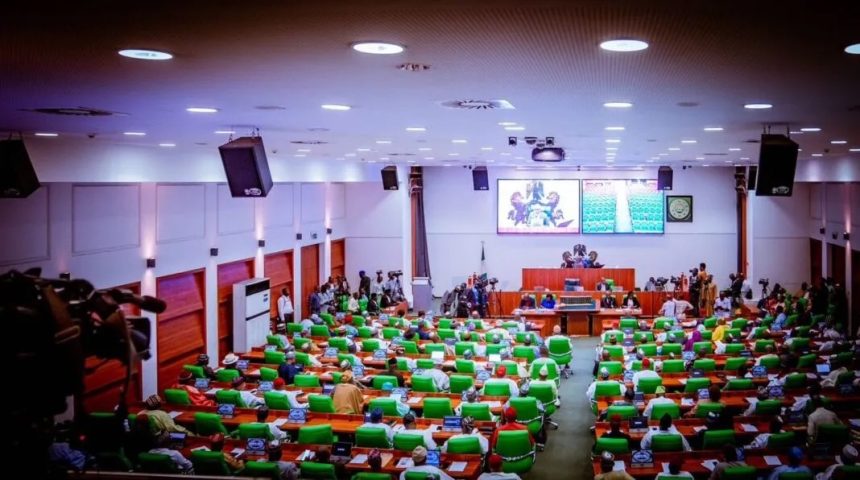
Fresh political realignments are underway in Nigeria’s House of Representatives as 18 members of the African Democratic Congress (ADC) have defected to the Nigeria Democratic Congress (NDC), signaling shifting alliances ahead of the 2027 general elections.
The notices of defection were read during plenary by Deputy Speaker Benjamin Kalu. Among the high-profile defectors are ADC Caucus Leader Afam Ogene, who represents Ogbaru Federal Constituency of Anambra State, and Deputy Minority Whip George Ozodinobi, representing Njikoka/Anaocha/Dunukofia Federal Constituency, also in Anambra State.
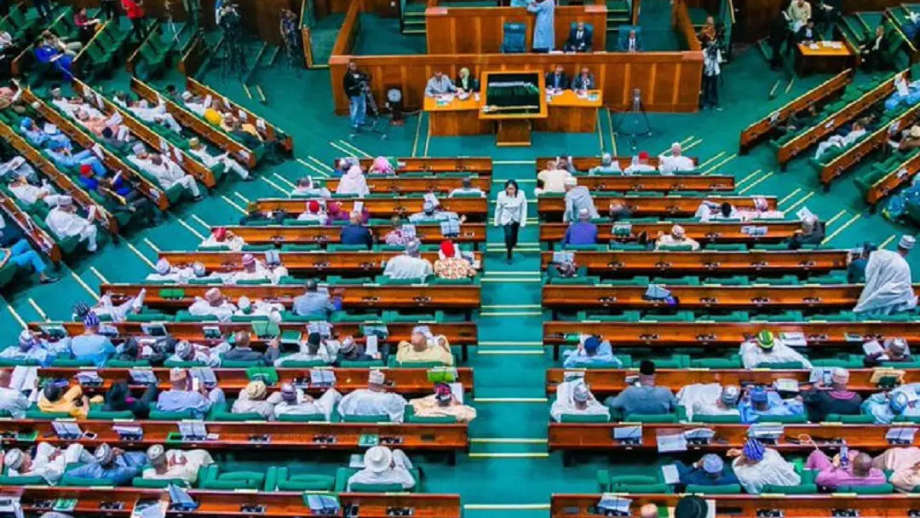
Other lawmakers who joined the exodus include Yusuf Umar Datti (Kano), Harris Okonkwo (Anambra), Sani Adamu (Kano), Thaddeus Attah (Lagos), and Murphy Osaro Omoruyi (Edo). Also on the list are Lilian Obiageli (Anambra), OluwaSeyi Sowunmi Ojo (Lagos), Peter Anekwe (Anambra), Zakari Umar Mukhtari (Kano), and George Olawande (Lagos).
The wave of defections further swept up Umezuruike Munachim (Rivers), Emeka Idu (Anambra), Jese Onuakalusi (Lagos), and Ifeanyi Uzokwe (Anambra), underscoring the scale of the political shift.
More Read

The development follows closely on the heels of the recent defection of prominent political figures, including the 2023 Labour Party presidential candidate Peter Obi and his counterpart from the New Nigeria Peoples Party (NNPP), Rabiu Musa Kwankwaso, who both moved from the ADC to the NDC just days earlier.
Ironically, many of the lawmakers had initially been elected on the platforms of the Labour Party and NNPP before aligning with the ADC, only to now defect once again—raising questions about party loyalty and ideological consistency within Nigeria’s political landscape.
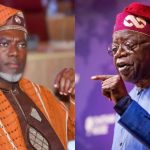
In a related development, Leke Abejide, representing Yagba Federal Constituency of Kogi State, has also dumped the ADC for the ruling All Progressives Congress (APC). Abejide is known to be an ally of Nafiu Bala Gombe, one of the contenders for the ADC national chairmanship.
The string of defections highlights growing instability within opposition ranks and points to an intensifying political recalibration as Nigeria inches closer to the next general elections.