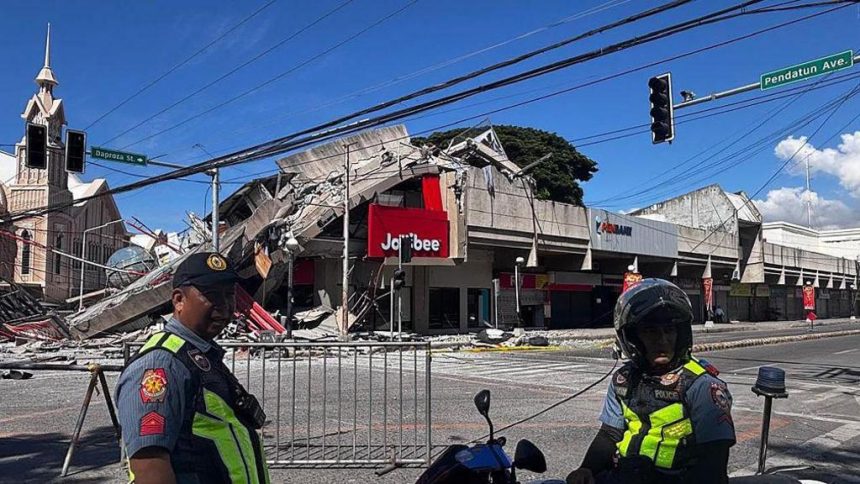
A powerful earthquake has struck the southern Philippines, leaving at least 15 people dead and 129 others injured, according to local authorities. The devastating tremor, which measured 7.8 on the Richter scale, triggered widespread panic, damaged buildings, and prompted emergency rescue operations across the affected region.
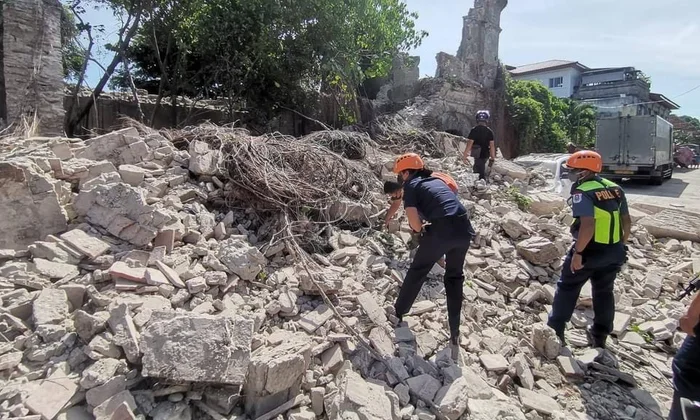
The quake hit near General Santos City on the island of Mindanao on Monday morning, sending residents rushing into the streets as homes, schools, commercial buildings, and other structures shook violently. Several buildings reportedly collapsed, trapping occupants and causing casualties. Rescue teams have been deployed to search for survivors beneath the rubble.
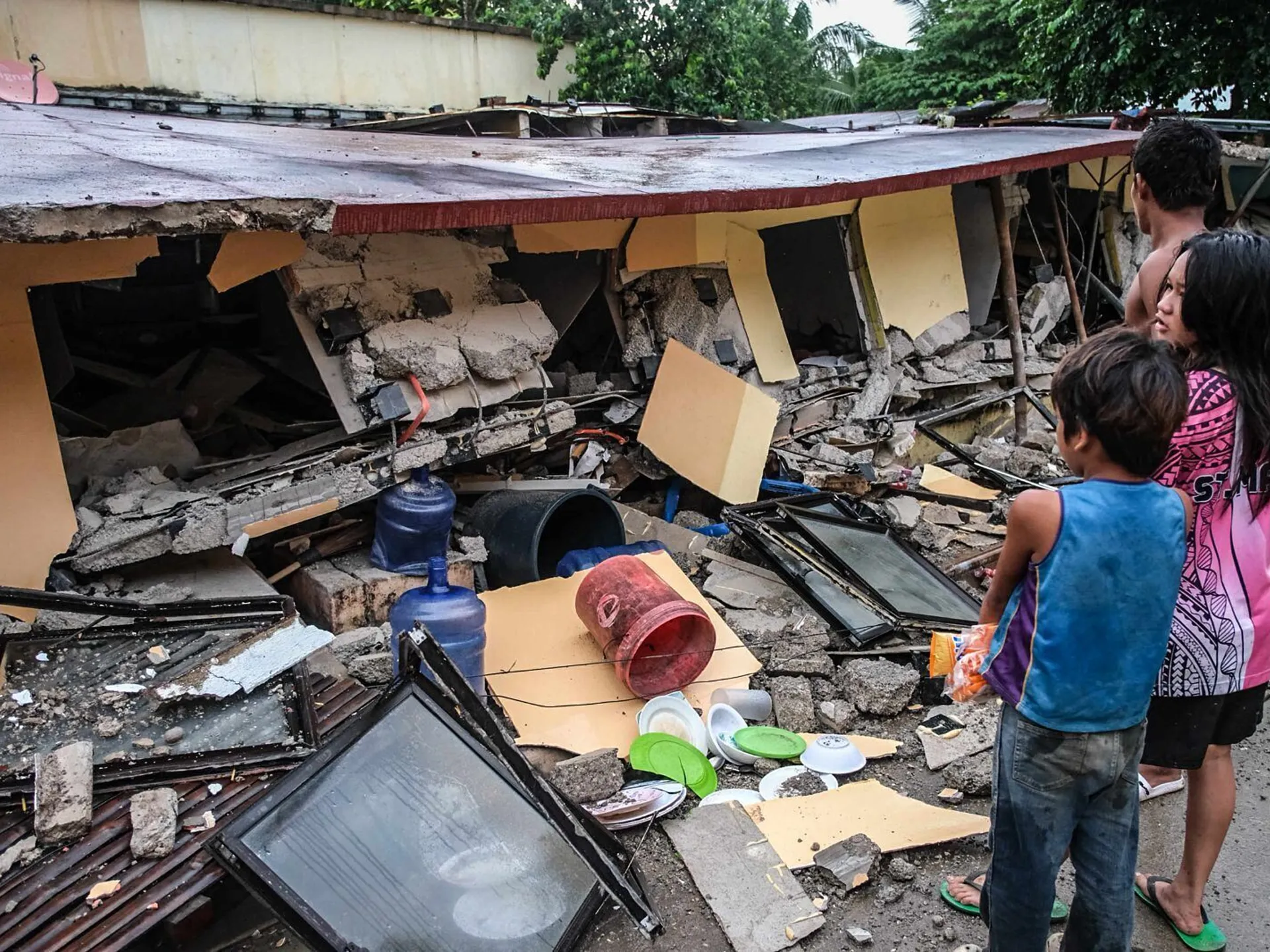
Authorities said many of the injuries were caused by falling debris, collapsing walls, and stampedes as frightened residents attempted to flee damaged structures. Hospitals in the region have been overwhelmed with injured victims, while emergency shelters have been established for displaced families.
The earthquake also triggered tsunami warnings in parts of the Philippines and neighboring countries, including Malaysia and Indonesia. Residents living in coastal communities were advised to move to higher ground as a precaution. Although tsunami waves were recorded, officials later said the immediate threat had largely subsided.
Philippine President Ferdinand Marcos Jr. urged citizens to follow evacuation orders and prioritize their safety. Government agencies have begun assessing the full extent of the damage while coordinating relief efforts for affected communities. Schools in several areas were temporarily closed, and transportation services experienced disruptions as authorities inspected roads, bridges, and public infrastructure for damage.
The Philippines sits along the Pacific “Ring of Fire,” one of the world’s most seismically active zones, making earthquakes a frequent occurrence. Seismologists have warned residents to remain alert as strong aftershocks are expected in the coming days.
Emergency responders continue to search for survivors, and officials fear the death toll could rise as rescue operations progress and more information becomes available from remote and heavily damaged communities.