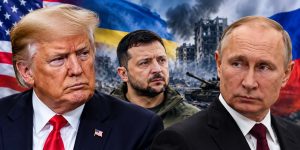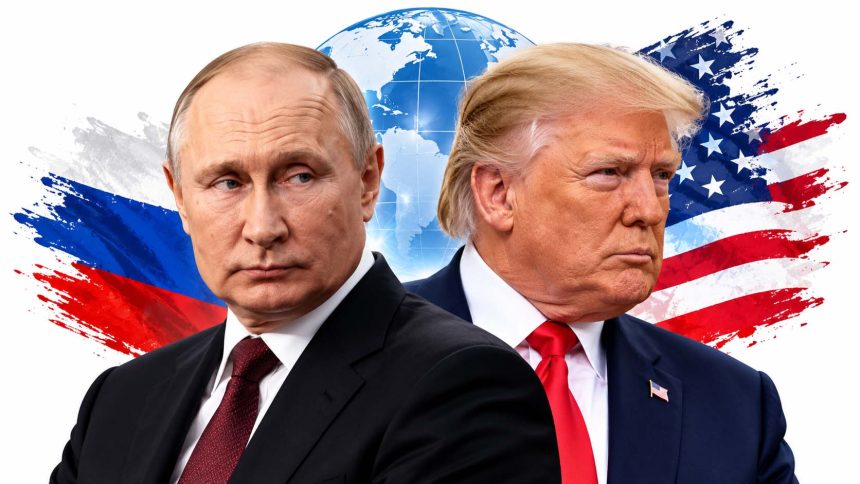
US president cites national interest in suspending key provisions of sanctions law, drawing criticism from lawmakers and raising fresh concerns over Washington’s support for Kyiv.
WASHINGTON, DC — US President Donald Trump has waived several sanctions and restrictions targeting Russia, just two days before they were due to take effect, intensifying tensions with Ukrainian President Volodymyr Zelenskyy and triggering criticism from American lawmakers.
Trump signed an executive order on Friday, October 16, declaring that suspending several provisions of the newly enacted sanctions law was in the national interest of the United States. The decision came less than a month after he signed the legislation, which was designed to increase economic pressure on Moscow over its ongoing war against Ukraine.
The development has added to growing friction between Washington and Kyiv, with critics arguing that the suspension could weaken efforts to restrict Russia’s financial resources and support Ukraine’s defence.
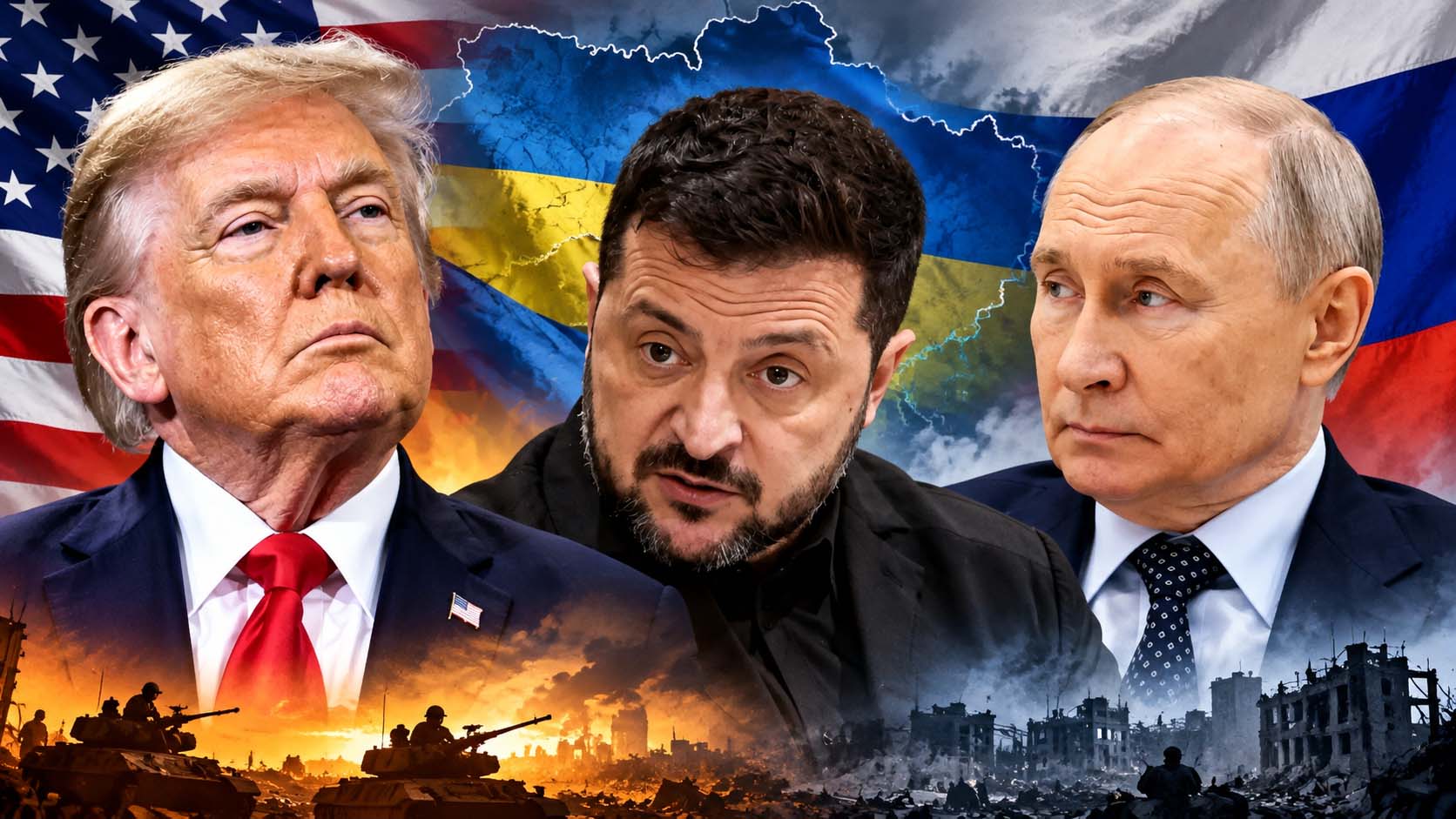

Trump’s Decision Sparks Political Backlash
The sanctions were contained in the Lindsey O. Graham Sanctioning Russia and Iran Act of 2026, which Trump signed into law in September. The legislation provided the administration with powers to impose additional penalties on Russian officials, financial institutions and entities linked to Moscow’s energy exports.
It also established provisions for tariffs of up to 100 per cent on imports from major purchasers of Russian oil and gas, subject to the law’s conditions and exemptions.
However, Trump invoked a waiver provision allowing him to suspend specified sanctions, restrictions and duties after certifying that doing so was in the national interest.
More Read

The order does not repeal the entire sanctions framework or automatically remove all existing penalties against Russia. Instead, it suspends several provisions of the new law, giving the administration greater flexibility over their implementation.
The decision has drawn criticism from Democratic lawmakers, who say it undermines Congress’s efforts to increase pressure on Moscow.
Virginia Congressman Don Beyer accused Trump of abandoning Ukraine and disregarding the intention of the legislation, arguing that the sanctions were designed to punish Russia for its invasion.
The backlash reflects wider disagreements in Washington over how the United States should balance energy costs, diplomatic engagement with Moscow and continued support for Kyiv.
Russian Diesel Deal Adds to Controversy
Trump’s decision followed a controversial agreement involving Russian diesel supplies, which the administration has presented as an effort to ease rising fuel prices.
Under the reported arrangement, Russia is expected to supply diesel to US and international markets. The move comes amid elevated energy costs associated with the wider conflict involving Iran and continuing disruptions to global fuel supplies.
More Read

Trump has sought to address the economic consequences of rising energy prices as his administration faces mounting domestic pressure ahead of the November 2026 US midterm elections.
However, the arrangement has drawn criticism from Ukrainian officials and lawmakers across party lines, who argue that purchases of Russian energy could provide Moscow with additional revenue while its war against Ukraine continues.
Zelenskyy has warned that money flowing back to Russia could help sustain its military campaign. Other critics have questioned whether the agreement would significantly reduce fuel prices for American consumers.
The controversy has also raised concerns among US allies about the consistency of Washington’s approach to economic pressure on Russia.
Zelenskyy and Trump Exchange Sharp Words
Relations between Trump and Zelenskyy have deteriorated amid disagreements over military assistance, sanctions and the direction of efforts to end the war.
The two leaders have exchanged public criticism in recent days, with Trump describing Zelenskyy as more difficult to deal with than Russian President Vladimir Putin.
Zelenskyy, meanwhile, has emphasized the importance of standing with partners committed to Ukraine’s security and has welcomed a greater role for European leaders in discussions concerning the conflict.
The latest dispute underscores the challenges facing US-Ukraine relations as Kyiv continues to seek military, financial and diplomatic backing from its Western partners.
Ukraine’s government maintains that sustained international pressure on Russia is essential to limiting Moscow’s ability to finance its military operations and pursue further attacks.
Dispute Over Energy Ceasefire and Attacks on Infrastructure
The disagreement has also centred on an alleged energy ceasefire and attacks on energy infrastructure in both countries.
Trump announced that Russia and Ukraine had agreed to halt attacks on energy facilities. Zelenskyy initially said Ukraine would stop its own strikes if Russia did the same.
However, subsequent Russian attacks were followed by renewed Ukrainian strikes on Russian oil infrastructure.
Trump condemned Ukraine’s actions, describing the strikes as a disgrace, while Zelenskyy defended them as measures taken in the country’s national interest.
Both sides have targeted energy-related facilities during the conflict. Kyiv says its operations are intended to undermine the resources supporting Russia’s military campaign, while Moscow maintains that its attacks target facilities associated with Ukraine’s armed forces.
The continuing exchanges have complicated efforts to establish a durable ceasefire and highlighted the difficulties of securing agreement on the protection of critical infrastructure.
Starlink Disruption Raises Further Security Concerns
Concerns about the reliability of US support have also been heightened by reported disruptions to satellite connectivity used by Ukrainian forces.
Ukraine has relied on Starlink satellite internet services to support communications and certain battlefield operations, including drone missions.
Reports of restrictions affecting drone connectivity prompted concerns in Kyiv about the impact on military operations and the country’s ability to respond to incoming Russian attacks.
Zelenskyy said the service had not been fully restored, while Trump denied claims that he had deliberately slowed Ukraine’s Starlink network or halted intelligence-sharing.
The dispute has reinforced concerns among Ukrainian officials about the extent to which Kyiv can depend on continued American technological and military assistance.
Russia Welcomes the Sanctions Waiver
Moscow has welcomed Washington’s decision to suspend key provisions of the sanctions law.
Russian presidential envoy Kirill Dmitriev described the waiver as an important moment, arguing that the sanctions could have caused serious damage to the United States and the wider global economy.
His comments reflect Moscow’s longstanding opposition to Western economic restrictions imposed following Russia’s invasion of Ukraine.
For Ukraine and its European partners, however, the decision raises questions about whether economic pressure on the Kremlin will remain a central component of Washington’s strategy.
The suspension does not, by itself, resolve the wider dispute over the war, energy exports or future security arrangements. It does, however, represent a significant development in the debate over how the United States intends to influence Moscow’s calculations.
What the Decision Means for Ukraine and US Foreign Policy
Trump’s waiver places renewed attention on the competing priorities shaping US policy towards Russia and Ukraine.
The administration’s stated national-interest justification highlights the role of presidential discretion in implementing sanctions, while critics argue that suspending the measures risks weakening Congress’s intended pressure campaign.
For Kyiv, the immediate concern is whether changes in US sanctions policy, combined with uncertainty surrounding military and intelligence support, could affect Ukraine’s ability to defend itself and negotiate from a position of strength.
For Moscow, the decision offers an opportunity to argue for renewed economic engagement with Washington despite the continuing war.
The longer-term implications will depend on how the administration applies the remaining provisions of the law, whether further sanctions are introduced and whether diplomatic efforts produce meaningful progress towards ending the conflict.
As tensions between Trump and Zelenskyy continue, the latest decision has placed the future of US-Russia economic relations and American support for Ukraine firmly back in the international spotlight.