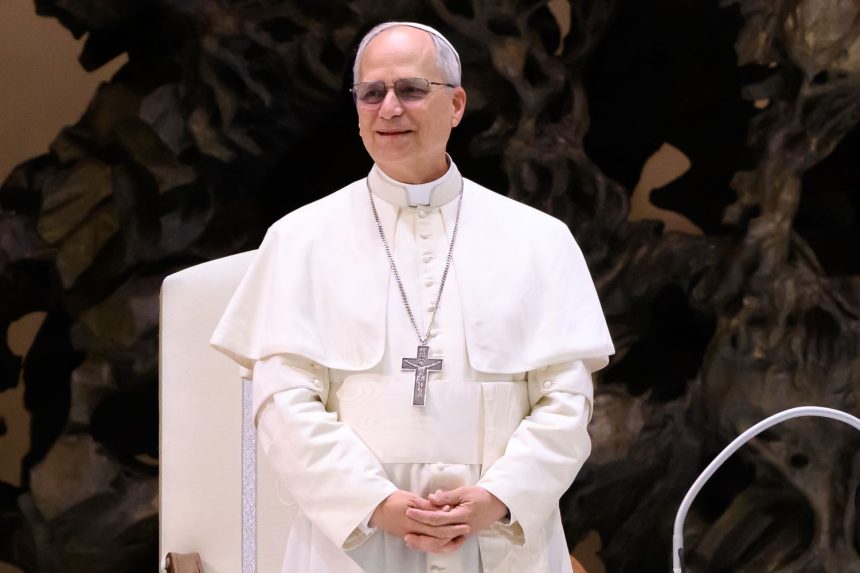
The Vatican has announced that Pope Leo XIV will not require further cancer treatment after surgery successfully removed cancerous tissue from his left lung, offering encouraging news about the pontiff’s recovery.
According to a medical bulletin released by the Vatican press office on Wednesday, laboratory tests conducted on tissue removed during the Pope’s recent surgery confirmed that he had pulmonary adenocarcinoma, a type of lung cancer. However, the disease was localised, and a subsequent assessment by cancer specialists concluded that no additional treatment was necessary.
“The results have confirmed that the condition was a pulmonary adenocarcinoma and that the disease was localized,” the bulletin stated.
It added: “A subsequent oncological evaluation has confirmed that no further therapy is required.”
The announcement provides further details about the Pope’s health following concerns raised after he disclosed on October 11 that he needed surgery for a lung nodule.
More Read

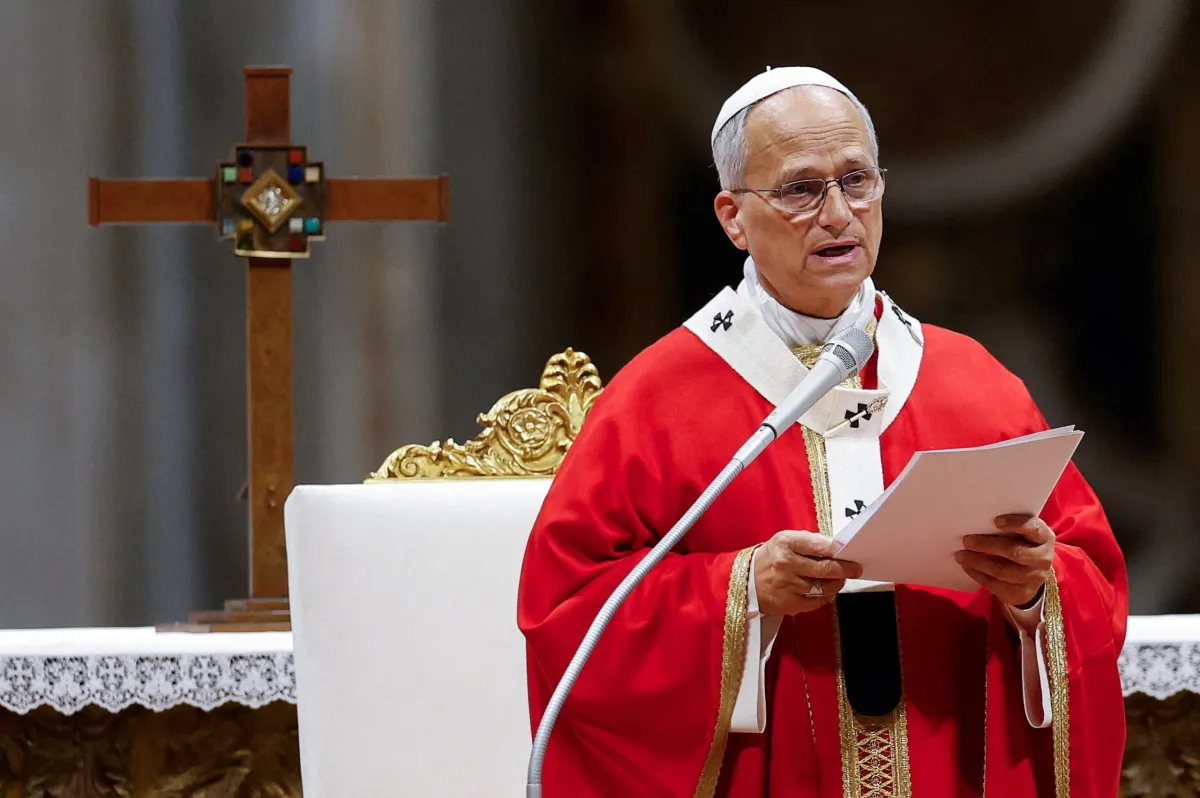
Pope Recovers After Lung Surgery
Doctors reportedly removed the affected lobe of the Pope’s left lung during his hospital stay in Rome. He was discharged and returned home on October 17.
The following day, Pope Leo XIV made his first public appearance since the diagnosis, leading the traditional Sunday Angelus prayer from the balcony of the Apostolic Palace.
More Read
Reflecting on his experience, the pontiff spoke about the impact of illness and expressed solidarity with people facing health challenges.
“This experience has given me a profound sense of closeness to all those who are going through illness or a state of infirmity,” he told worshippers.
His remarks highlighted the personal significance of the experience and his connection with people dealing with illness and physical weakness.
What Is Pulmonary Adenocarcinoma?
Pulmonary adenocarcinoma is a form of non-small cell lung cancer and is widely recognised as the most common type of lung cancer. It develops in cells that produce substances such as mucus in the lungs.
Although smoking is a major risk factor for lung cancer, pulmonary adenocarcinoma can also affect people who have never smoked. Its progression varies from one patient to another, depending on several factors, including the characteristics and stage of the disease.
In the Pope’s case, the Vatican said laboratory results confirmed that the cancer was localised and that specialists did not recommend further treatment following surgery.
More Read

However, the decision not to pursue additional treatment does not necessarily eliminate the need for ongoing medical monitoring.
Specialists Recommend Continued Monitoring
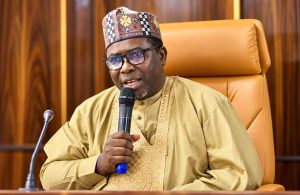
CNN reported that the Pope’s recovery had been faster than is typical following such an operation, citing Dr Juanita Mora, a national medical spokesperson for the American Lung Association who was not involved in his treatment.
Mora said patients who undergo similar procedures may require regular follow-up examinations to monitor their recovery and identify any signs of cancer recurrence.
She explained that doctors would likely consider follow-up CT scans every three to six months during the first few years, potentially moving to annual examinations afterwards.
Mora also noted that respiratory physiotherapy is often recommended after lung surgery to help patients improve their breathing and gradually restore their respiratory capacity.
These observations describe general follow-up practices and do not constitute a confirmed treatment plan for the Pope. His personal monitoring schedule would be determined by his medical team.
South American Trip Raises Questions About Recovery
The Vatican’s announcement comes ahead of Pope Leo XIV’s planned trip to South America next month, which is expected to include visits to Peru, Uruguay and Argentina.
The proposed journey is expected to involve at least 14 flights, raising questions about how the pontiff’s recovery will be managed during an extensive international itinerary.
Although the Vatican has not officially confirmed whether the trip will proceed, Professor Stefano Margaritora, the surgeon who led the Pope’s operation, told Vatican News that he saw “no clinical reasons” for cancelling it.
Nevertheless, the final decision regarding the trip may depend on the Pope’s recovery, medical advice and the practical demands of the journey.
Mora said the pontiff might be advised to walk periodically during long flights to reduce the risk of blood clots, a recognised concern during prolonged periods of immobility.
She also recommended vaccinations against COVID-19, influenza and respiratory syncytial virus (RSV) as potential measures to help protect against respiratory infections, particularly during travel.
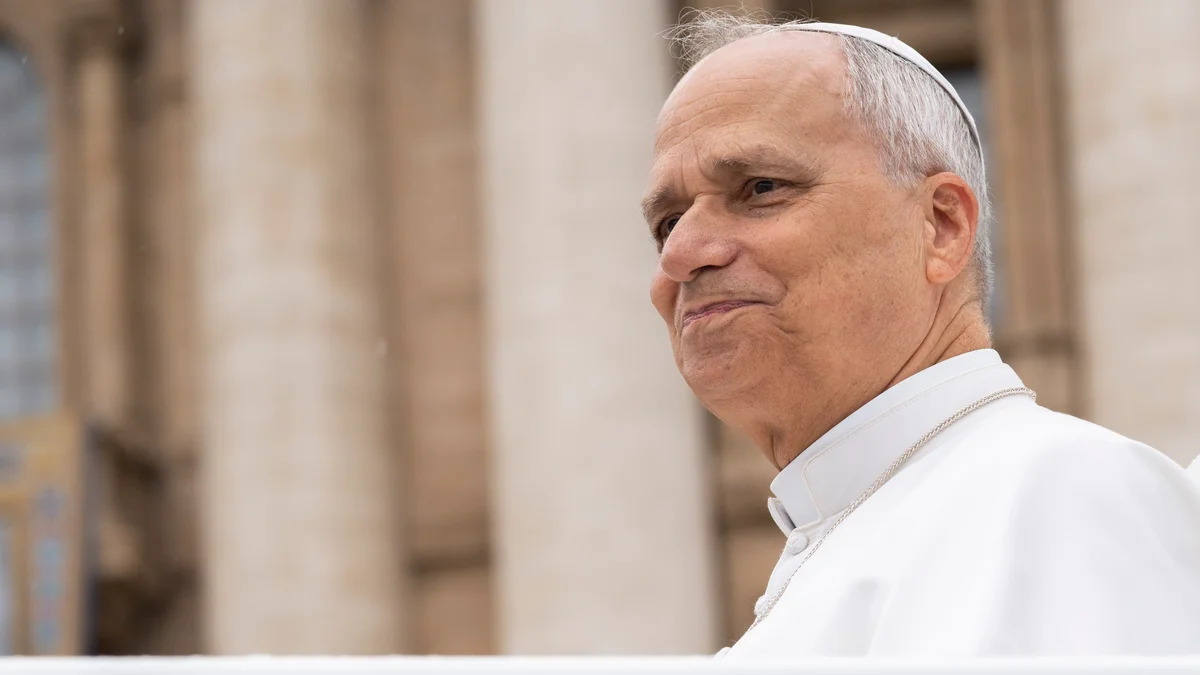
Vatican Announcement Offers Encouraging Update
The confirmation that no further cancer treatment is required marks an encouraging development in the Pope’s reported recovery. The finding that the disease was localised and that specialists did not recommend additional therapy provides important information about the outcome of his surgery.
However, the pontiff’s recovery and future travel plans remain matters for his medical team and the Vatican to assess.
For now, attention will remain focused on his continued recovery, any further official updates on his health and confirmation of whether he will undertake the planned South American visit.