Secretary to the Government of the Federation (SGF), George Akume, has cautioned Northern presidential aspirants against seeking to reclaim the presidency in 2027, insisting that the South should be allowed to complete its eight-year tenure in line with Nigeria’s power rotation understanding established at the beginning of the Fourth Republic in 1999.
Akume said the North should respect the political understanding reached by leaders at the time, stressing that the arrangement was designed to promote fairness, mutual trust, national unity and political stability.
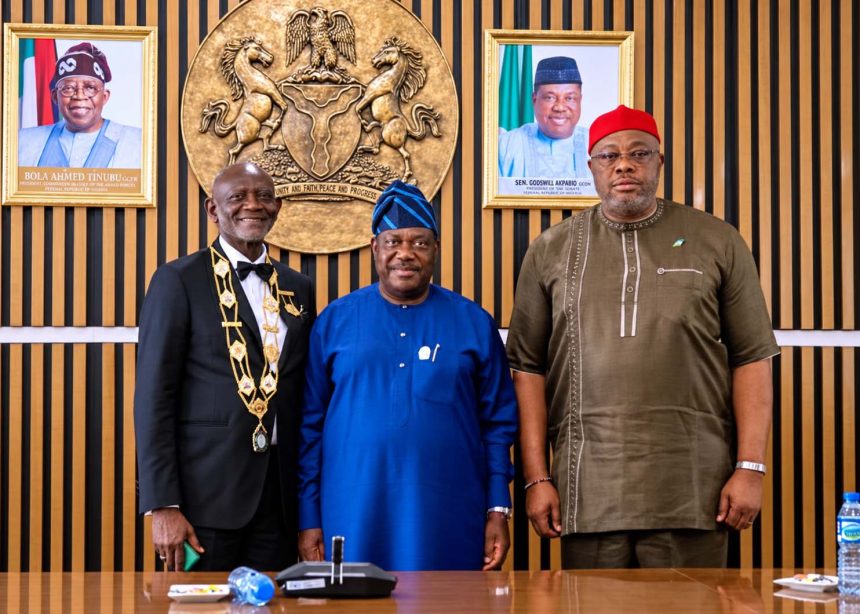
The SGF made the position known on Wednesday in Abuja when he received a delegation of the Order of the Knights of St. Mulumba (KSM), Nigeria, led by its Supreme Knight, Steve Adehi.
According to Akume, the agreement emerged from extensive consultations among political leaders and governors-elect of the Peoples Democratic Party (PDP) in Kaduna following Nigeria’s return to democratic governance in 1999.
He explained that the understanding was for the presidency to alternate between the North and South in eight-year cycles, beginning with the South, to address concerns about the concentration of political power in one region.
More Read

Akume maintained that the arrangement was not merely a temporary political compromise but a framework intended to ensure that every region had a sense of belonging in the Nigerian federation.
He argued that abandoning the understanding for political expediency could undermine confidence among the country’s diverse regional interests and weaken the spirit of fairness that informed the agreement.
The SGF further noted that the North had already enjoyed eight years in office under former President Muhammadu Buhari, who governed Nigeria from 2015 to 2023.
More Read
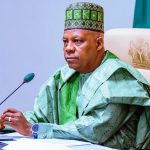
He therefore maintained that the South should be allowed to complete its current eight-year presidential cycle before the North seeks to return to power.
Akume’s comments come as political activities and consultations intensify ahead of the 2027 general elections, with zoning, regional representation and power rotation increasingly featuring in discussions about the country’s next president.
The debate is expected to remain a significant issue among political parties, aspirants and stakeholders as they weigh regional interests against electoral calculations and the demands of democratic competition.
However, the North-South power rotation arrangement is a political understanding rather than an explicit constitutional requirement. Nigeria’s Constitution does not prescribe an eight-year rotation of the presidency between the two regions, although zoning has played an influential role in political negotiations and party arrangements since 1999.
Beyond the question of presidential succession, Akume urged Nigerians to assess the Federal Government’s development agenda against the backdrop of the country’s immediate economic difficulties and the long-term investments required to stimulate sustainable growth.
He also emphasised the need for stronger cooperation among the federal, state and local governments to tackle development challenges, improve public services and enhance citizens’ welfare.
More Read
Knights of St. Mulumba Highlight Humanitarian Interventions
Earlier, Adehi outlined several charitable initiatives undertaken by the Knights of St. Mulumba to support vulnerable Nigerians and complement government efforts in addressing social challenges.
He said the organisation had assisted patients requiring medical treatment, supported inmates unable to meet financial obligations necessary for their release from correctional facilities, provided boreholes and renovated schools.
Adehi also highlighted the organisation’s assistance to hospitals, noting that such interventions reflected the importance of collaboration between government institutions and non-governmental organisations in meeting the needs of citizens.
He stressed that government alone could not adequately address Nigeria’s complex social and economic challenges, calling for stronger partnerships among public institutions, private organisations and community-based groups.
According to him, sustained collaboration among these stakeholders would help alleviate poverty, improve access to essential services and raise living standards across the country.
As Nigeria approaches another election cycle, the debate over presidential zoning is likely to remain central to political negotiations, particularly as stakeholders consider the balance between regional inclusion, established political conventions and the constitutional framework governing the presidency.