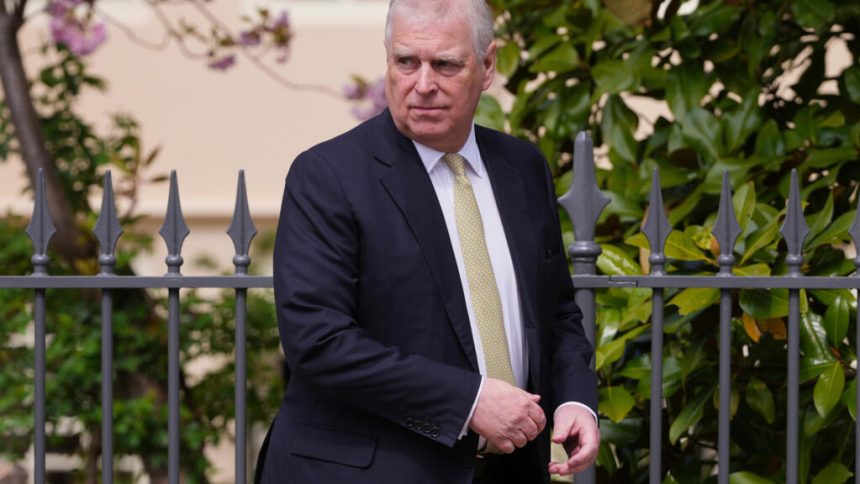
LONDON — Thames Valley Police has admitted that the search warrants used to raid the homes of Andrew Mountbatten-Windsor earlier this year were unlawfully issued, the High Court has heard.
The force acknowledged that the original court decision to grant the warrants under the specific legislation relied upon by police was incorrect. The admission relates to searches carried out on 19 February at properties connected to the former prince in Norfolk and Berkshire.
The development emerged during legal proceedings brought by Andrew’s lawyers, who are challenging the actions of the Thames Valley Police chief constable and the Central Criminal Court.

Andrew was arrested by Thames Valley Police on suspicion of misconduct in public office. He denies any wrongdoing, while the criminal investigation remains ongoing.
More Read

During the February searches, officers seized documents and electronic devices from the properties. Those materials remain in police custody as the High Court considers whether the force can lawfully retain and use them as part of its investigation.
The legal challenge centres on the conditions under which the search warrants were issued. The court heard that the warrants required reasonable grounds for believing that certain documents connected to business activities or paid or unpaid roles involving an undertaking of confidence should not be seized.
Thames Valley Police has now accepted that the judge who authorised the warrants could not have been satisfied that the necessary legal conditions had been met.
More Read

In a statement, the force stressed that the decision to quash the warrants does not amount to a judgment on its ongoing investigation.
Police said they had provided the court with the information and paperwork they believed were necessary to support the warrant applications and maintained that they had followed the appropriate legal processes.
The force said the warrants must nevertheless be legally quashed because the court’s initial decision to issue them under the particular legislation was incorrect.
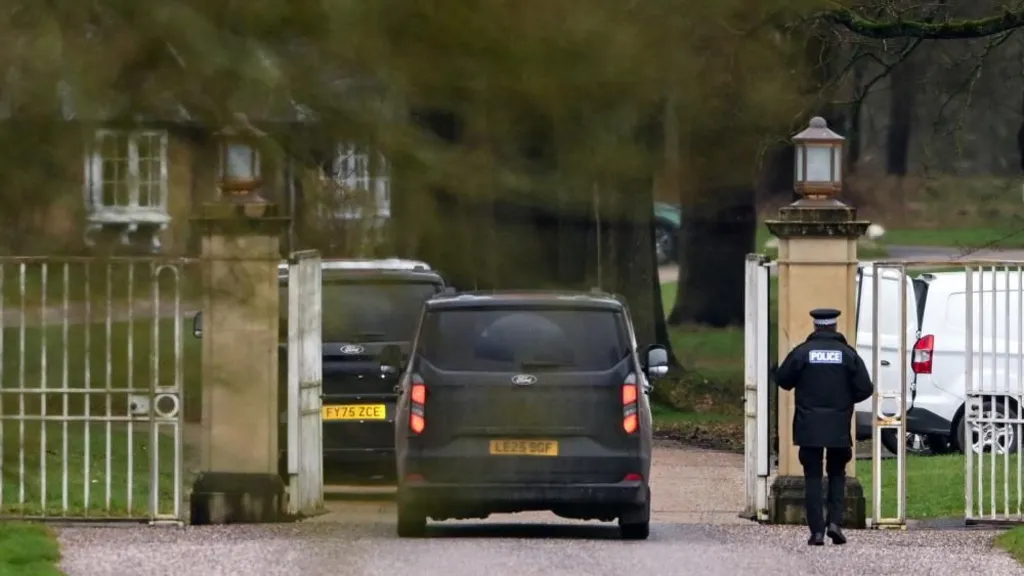
The dispute over the seized material is expected to continue, with further legal proceedings determining how the documents and electronic devices should be handled and whether police can lawfully retain them.
The investigation itself stems from documents published by the United States Department of Justice which allegedly suggested that Andrew had forwarded confidential information to convicted sex offender Jeffrey Epstein while serving as a UK trade envoy in 2010.
More Read

Andrew has consistently denied wrongdoing in relation to Epstein.
Thames Valley Police said its investigation into alleged misconduct in public office by a man in his 60s from Norfolk remains active.

The force said it would continue to pursue reasonable lines of inquiry in an effort to progress the investigation fairly and effectively.
The High Court’s ruling over the search warrants represents a significant legal setback for the police investigation, but it does not bring the criminal investigation itself to an end.
The immediate legal question now is whether the evidence seized during the February raids can remain in police custody and, ultimately, whether it can be used in any future proceedings.