ABUJA, Nigeria — The Presidency has criticized former Vice President Atiku Abubakar over his recent comments on President Bola Tinubu’s economic policies, particularly the Nigerian National Petroleum Company (NNPC) Retail’s 30-day petrol discount and the Federal Government’s proposed fuel price modulation framework.
The Presidency described Atiku’s criticism as “shallow, short-term demagoguery,” insisting that the Tinubu administration’s approach to managing fuel prices is designed to cushion the impact of global oil market volatility while preserving Nigeria’s long-term economic stability.
The position was contained in a statement titled “Atiku’s Demagoguery in the Face of Tinubu’s Logical Policies,” issued by Dr Sunday Dare, Special Adviser to the President on Media and Public Communication.
According to the Presidency, the government has chosen what it considers a difficult but necessary path by combining market deregulation with targeted measures intended to moderate fuel price fluctuations, strengthen domestic energy supply and improve fiscal discipline.
“The Nigerian electorate is far too sophisticated to trade long-term national economic security for Atiku’s shallow, short-term demagoguery,” the statement said.
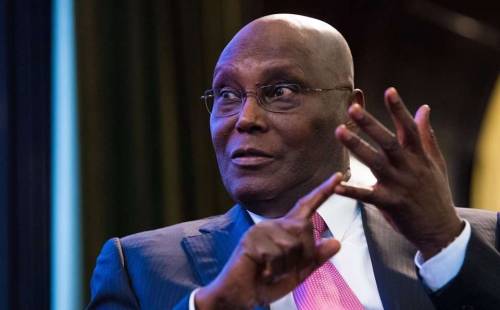
Presidency Defends NNPC’s 30-Day Petrol Discount
The Presidency maintained that NNPC Retail’s decision to extend its petrol discount for another 30 days should not be interpreted as a return to the fuel subsidy regime abolished by the Tinubu administration in 2023.
It explained that the discount was initially introduced to commemorate Nigeria’s 66th Independence anniversary before being extended to provide temporary relief to motorists amid rising international crude oil prices.
More Read

According to the statement, NNPC Retail is foregoing part of its profit margin to absorb short-term market pressures rather than relying on direct government payments to subsidise fuel imports.
The Presidency also defended the reported interim ceiling of N1,350 per litre on ex-gantry costs, describing it as a temporary mechanism intended to moderate sudden increases in fuel prices.
Under the framework as presented by the Presidency, refiners and importers would absorb certain short-term cost increases above the ceiling and recover the costs later when international crude prices decline or exchange-rate conditions improve.
The government argued that moderating sudden price increases could help prevent corresponding rises in commercial transport fares, which often remain high even after fuel prices fall.
It added that the proposed ceiling would be reviewed monthly based on cost audits to prevent the accumulation of hidden government liabilities.
Presidency Questions Atiku’s Production Subsidy Proposal
A major part of the Presidency’s response focused on Atiku’s reported proposal for a production subsidy as an alternative to the current fuel pricing framework.
More Read

The Presidency argued that such a proposal would be difficult to implement without sufficient government-controlled crude oil volumes and could recreate some of the financial and administrative challenges associated with Nigeria’s former fuel subsidy system.
Citing figures attributed to the Coordinating Minister of the Economy and Minister of Finance, Taiwo Oyedele, the statement said Nigeria produces approximately 1.8 million barrels of crude oil daily, but that contractual obligations and production arrangements significantly reduce the volume available to the government.
It claimed that fewer than 700,000 barrels per day remain as unencumbered crude after accounting for production costs, royalties and profit-sharing arrangements under joint ventures and production-sharing contracts.
The Presidency further argued that domestic refineries, including the Dangote Petroleum Refinery, require substantial volumes of crude oil, making it difficult for the government to provide unlimited subsidized crude without affecting existing contractual commitments and national revenue.
According to the statement, a broad production subsidy without sufficient crude oil resources could encourage opacity, fraudulent trading arrangements and additional pressure on public finances.
The Presidency also cited the United States and Qatar as examples of oil-producing countries that have relied on market-based pricing or reduced energy subsidies to protect long-term fiscal sustainability.
It maintained that comparisons between crude oil allocation and locally produced agricultural commodities such as garri and cassava fail to account for the complexities of international energy markets and contractual obligations.
Government Lists Measures to Stabilize Energy Prices
Beyond defending the temporary petrol discount, the Presidency outlined several measures it said were intended to improve Nigeria’s energy security and reduce the effects of external price shocks.
These include the establishment of a strategic energy reserve, the expansion of Compressed Natural Gas (CNG) infrastructure and the promotion of domestic refining through naira-for-crude arrangements.
The statement said CNG could provide a cheaper alternative to petrol for commercial transport operators, claiming that it could cost between 60 and 70 per cent less than Premium Motor Spirit.
The Presidency also said the administration had introduced windfall taxes on energy operators that exploit crisis conditions to increase profits, with the proceeds intended to support transport vouchers and minimum-wage assistance.
Other measures highlighted included the implementation of the 2025 tax reform laws and the use of NIPOST digital address codes to improve freight and food distribution efficiency.
The government argued that these policies were part of a broader strategy to strengthen domestic production, reduce distribution costs and limit the impact of international energy market fluctuations on Nigerian consumers.
Presidency Defends Tinubu’s Economic Reforms
The Presidency also defended the administration’s major economic reforms since May 2023, particularly the removal of the petrol subsidy and the unification of Nigeria’s foreign exchange markets.
It argued that the reforms were necessary to address longstanding fiscal pressures and reduce the distortions associated with fuel subsidy payments and multiple exchange rates.
According to the statement, ending the subsidy regime has enabled more federal revenue to flow to state and local governments through allocations from the Federation Account Allocation Committee (FAAC).
The Presidency also claimed that the reforms had helped eliminate prolonged fuel queues associated with artificial scarcity, hoarding and unpaid subsidy claims.
On foreign exchange, the government maintained that unifying the exchange-rate system had reduced opportunities for currency round-tripping and strengthened confidence in Nigeria’s financial system.
The statement further highlighted direct cash transfers to vulnerable households, subsidized credit for micro and small businesses, wage support for civil servants and major infrastructure projects as part of the administration’s broader economic agenda.
Among the projects mentioned were the Lagos-Calabar Coastal Highway, the Sokoto-Badagry Superhighway and nationwide railway developments.
The Presidency said these initiatives were intended to improve connectivity, support industrial growth and create the conditions for more sustainable economic expansion.
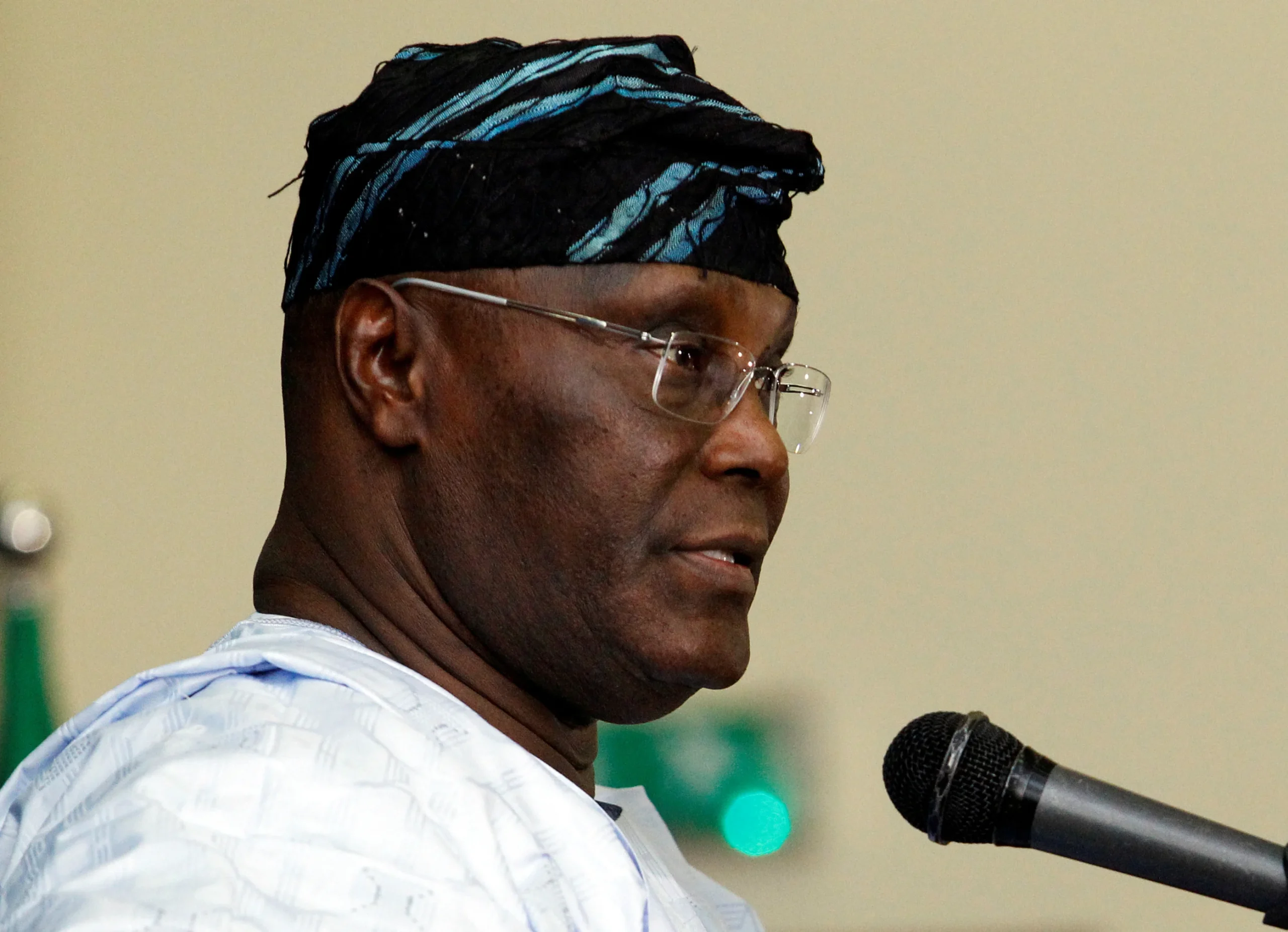
Presidency Accuses Atiku of Political Opportunism
In its concluding remarks, the Presidency accused Atiku of using public dissatisfaction over economic hardship to advance his political ambitions ahead of the 2027 presidential election.
It argued that Nigeria’s longstanding economic challenges could not be resolved through short-term promises or the reintroduction of subsidy arrangements that lack sustainable funding.
The statement described the former vice president’s criticism as an attempt to portray complex economic decisions as simple political choices, warning that restoring broad-based fuel subsidies could place renewed pressure on public finances.
The Presidency insisted that the Tinubu administration’s approach was aimed at balancing immediate relief for consumers with longer-term economic reforms.
Atiku, who is associated with the African Democratic Congress (ADC), has emerged as a prominent opposition figure ahead of the 2027 election. The Presidency’s latest comments reflect the growing political debate over fuel prices, subsidy policy and the wider effects of economic reforms on Nigerian households and businesses.
As the debate continues, the central question remains how the government can maintain fiscal stability while ensuring that fuel prices, transportation costs and the wider cost of living remain manageable for Nigerians.