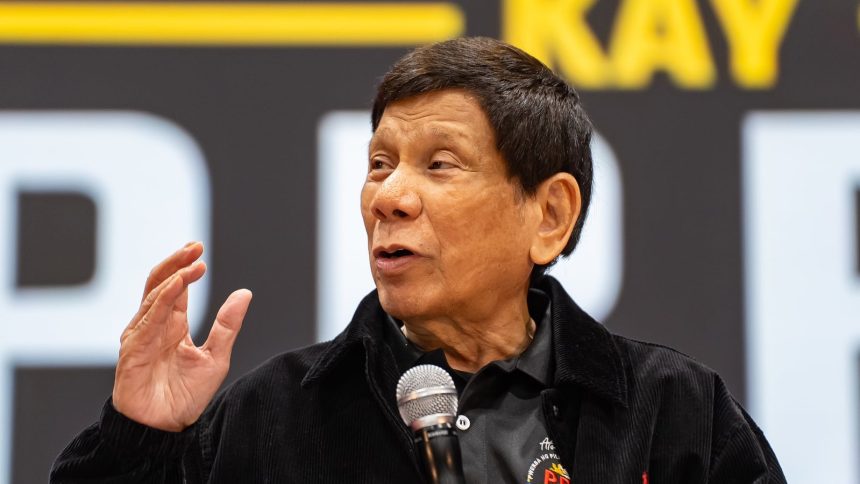
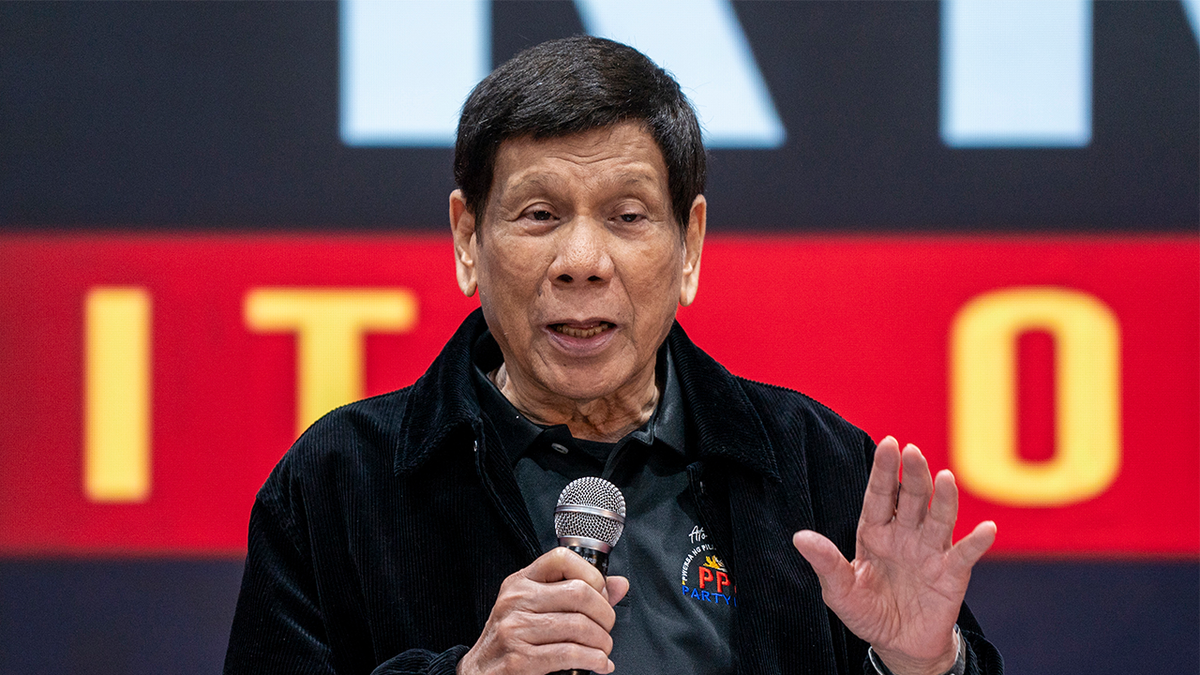
Former Philippine President Rodrigo Duterte is set to face trial before the International Criminal Court (ICC) on charges of crimes against humanity, in what could become one of the most consequential international justice cases in recent years.
The ICC has ruled that there is sufficient evidence to proceed, clearing the way for a full trial centered on allegations that Duterte oversaw and encouraged a campaign of extrajudicial killings during his controversial war on drugs.
A Campaign Under Scrutiny
Prosecutors argue that Duterte’s anti-drug crackdown, which defined his presidency from 2016 to 2022, amounted to a “widespread and systematic attack” on civilians. The charges include murder and attempted murder, linked to thousands of deaths during police operations and vigilante-style killings.
While official government figures place the death toll at over 6,000, human rights organizations estimate that as many as 30,000 people may have been killed.
More Read

The ICC investigation also reaches back to Duterte’s earlier tenure as mayor of Davao City, where similar allegations of extrajudicial violence had long circulated.
Arrest and Path to Trial
Duterte was arrested in Manila in 2025 and transferred to The Hague, where the ICC is based. Judges have since determined that he is fit to stand trial, despite concerns raised about his health.
A date for the trial has not yet been announced, but the confirmation of charges marks a critical step forward in the legal process.
More Read

Defense Pushback
Duterte has consistently denied wrongdoing. His legal team argues that the case is built on unreliable testimony and insists that his public statements encouraging harsh measures against drug offenders were political rhetoric rather than official policy.
Supporters maintain that his campaign was necessary to combat crime, while critics say it fostered a climate of impunity and fear.
A Test for International Justice
The case carries global significance, not only because of Duterte’s high profile but also due to the legal complexities involved. The Philippines withdrew from the ICC in 2019 under Duterte’s leadership, but the court maintains it has jurisdiction over alleged crimes committed while the country was still a member.
For victims’ families and human rights advocates, the trial represents a long-awaited chance for accountability. For the ICC, it is a crucial test of its ability to hold powerful leaders responsible for alleged abuses.
As the world watches, the proceedings are expected to reignite debates about justice, sovereignty, and the limits of state power in the fight against crime.