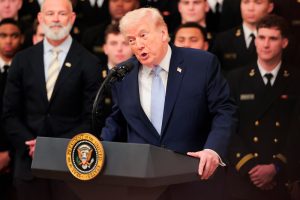
President Donald Trump has told Congress that U.S. hostilities with Iran have “terminated,” arguing that a current ceasefire removes his obligation to seek legislative approval for the conflict—an interpretation already drawing sharp criticism from lawmakers and legal experts.
In a letter sent to congressional leaders on Friday, marking 60 days since formally notifying lawmakers of military action against Iran, Trump stated that there has been “no exchange of fire” since April 7, 2026, and declared that the hostilities that began on February 28 have now ended.
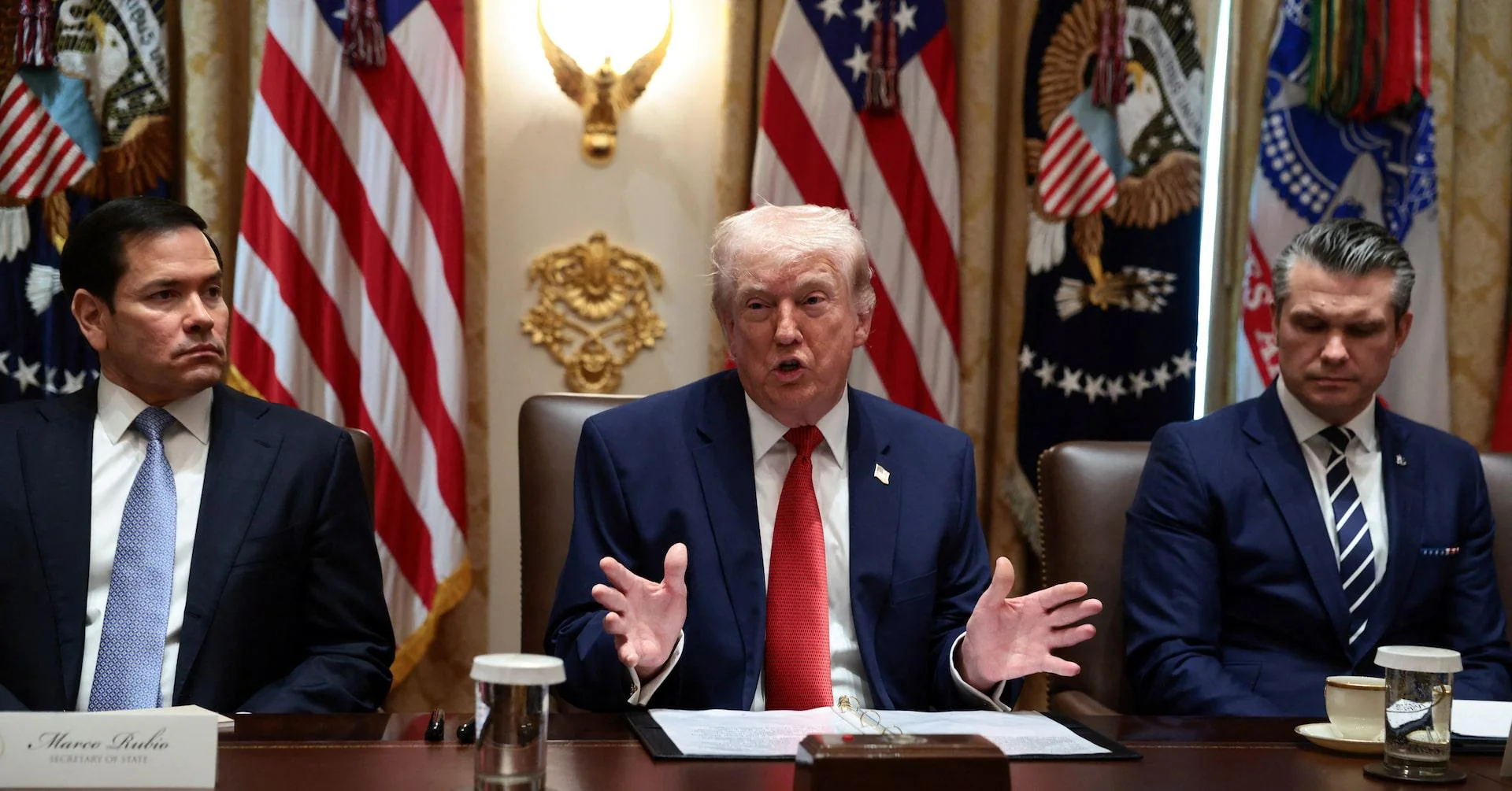
The claim is significant because of the 1973 War Powers Resolution, which requires a U.S. president to obtain congressional authorization within 60 days of deploying armed forces into combat, or else withdraw them. Trump, however, maintains that the ceasefire effectively pauses that deadline.
“The hostilities… have terminated,” Trump wrote, suggesting that the legal clock governing war powers is no longer running.
More Read

Legal Dispute Intensifies
The administration’s position has been quickly challenged. Critics argue that a ceasefire—by definition temporary—does not constitute a formal end to conflict and therefore does not suspend the War Powers timeline.
Professor Heather Brandon-Smith of Georgetown University Law said a ceasefire cannot be treated as a legal endpoint. “A ceasefire is not a permanent end to the conflict,” she noted, adding that only a definitive conclusion to hostilities would satisfy the law’s requirements.
Democratic Senator Tim Kaine echoed that view during a recent congressional hearing, stating, “I do not believe the statute would support that.”
More Read

Defense Secretary Pete Hegseth, however, defended the administration’s stance, telling lawmakers that the ceasefire had effectively paused the 60-day requirement.
Congress Divided
The dispute comes amid growing pressure in Congress to formally address the conflict. Democratic efforts to force a vote on authorizing or limiting the war have repeatedly failed, largely due to Republican opposition. Still, some Republican lawmakers have signaled they may reconsider their stance now that the 60-day mark has been reached.
Trump himself dismissed the need for congressional approval, telling reporters, “No other country has ever done it,” and calling such requirements “totally unconstitutional.”
Fragile Diplomacy
Despite the declared end to hostilities, tensions remain high. The U.S. and Iran have yet to reach a broader peace agreement, and negotiations appear uncertain.
Iranian state media reported that Tehran has sent a new proposal for talks via intermediaries in Pakistan, though details remain unclear and it is not confirmed whether the U.S. has received it.
Trump acknowledged ongoing communication but expressed frustration. “We just had a conversation with Iran. Let’s see what happens. But I would say that I am not happy,” he said, adding that Iran’s leadership appeared “very confused” following the deaths of several top military officials during the conflict.
More Read

He also revealed that he had been presented with a range of military options, from escalating strikes to pursuing a diplomatic deal. “We’re going to get this thing done properly,” Trump said. “We’re not going to leave early and then have the problem arise in three more years.”
Global Stakes Rising
Meanwhile, the economic fallout continues to ripple worldwide. The strategically vital Strait of Hormuz remains effectively closed, disrupting global shipping and energy markets.
The U.S. Treasury has warned that any individual or company paying Iran for passage through the waterway risks violating U.S. sanctions, further complicating efforts to restore normal trade flows.

Uncertain Path Ahead
The conflict itself began with joint U.S. and Israeli strikes on Iran, targeting key military and political figures, including the country’s supreme leader. Iran retaliated with attacks on Israel and U.S.-allied states in the Gulf, escalating tensions across the region.
While the ceasefire has halted direct fighting for now, the absence of a formal peace agreement—and the ongoing legal battle in Washington—leaves the situation unresolved.
At stake is not only the future of U.S.-Iran relations, but also a fundamental question about the limits of presidential war powers in the modern era.