President of the Dangote Group, Aliko Dangote, has raised alarm over the potential economic fallout from escalating tensions in the Middle East, warning that Nigeria and other African countries could be forced to adopt pandemic-style work-from-home policies if the crisis persists.
Dangote issued the warning on Monday following a meeting with Bola Tinubu at his residence in Ikoyi, Lagos. The business magnate expressed deep concern about the ripple effects of rising global oil prices on African economies already burdened by debt and limited financial reserves.
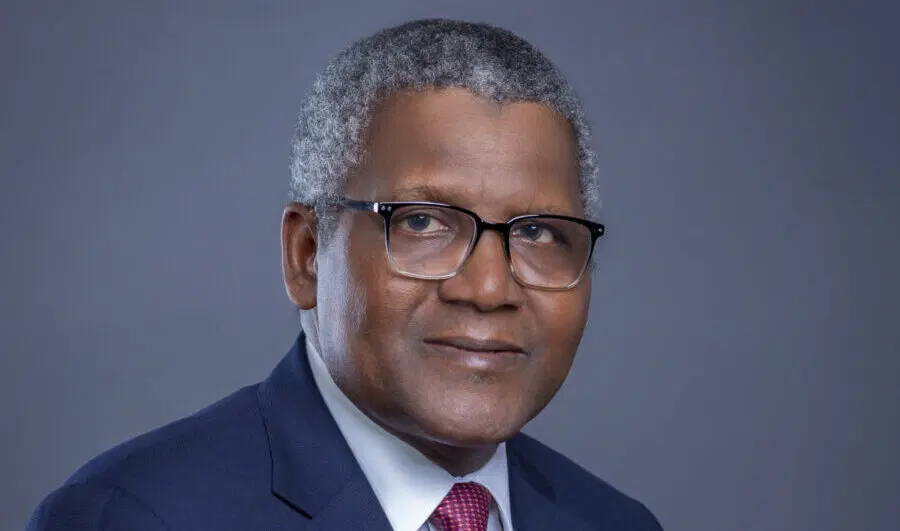
“If this thing doesn’t de-escalate, you know, normally we in Africa, we don’t have any reserves in terms of savings,” Dangote said. “People normally go out and look for money for the next day or even the same day. Some of them, if they don’t work that day, they won’t eat.”
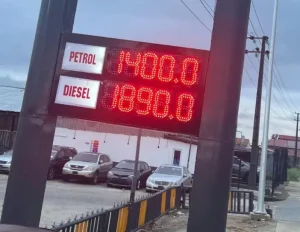
He warned that sustained increases in fuel prices could force governments and businesses to reduce physical work activities, potentially leading to a return to remote working conditions similar to those seen during the COVID-19 pandemic. Drawing comparisons with global responses to energy-related pressures, Dangote cited Indonesia’s adoption of a four-day workweek and consideration of broader remote work measures.
More Read
“In some countries today, what they’ve done is ask everybody to work from home because they cannot afford it,” he said. “We will do like that time of COVID, where people will work from home.”
Dangote emphasized that Africa risks bearing a disproportionate burden from a crisis largely beyond its control, particularly as inflationary pressures outpace governments’ ability to adjust wages.
“It’s not only energy. Some people will try and take advantage and say, ‘This is an opportunity, let me make money,’” he noted. “If this doesn’t de-escalate, prices will keep going up, and governments cannot really add to salaries. People will really feel the pinch.”
More Read

He highlighted that the impact would be most severe on small-scale entrepreneurs and informal workers who depend heavily on fuel-powered operations. These include barbers, bakers, and small manufacturers who rely on generators to sustain their businesses amid persistent power supply challenges.
“People who are barbers, people who make bread, people who have industries and have to pay for their own generators — you can see what is happening,” Dangote said.
The industrialist called for urgent global action to resolve the conflict, urging collective efforts to prevent further economic strain on vulnerable populations. “We just need all hands on deck to pray that this thing comes to an end,” he added.
Meanwhile, Dangote expressed optimism about Nigeria’s investment outlook following President Tinubu’s recent official visit to the United Kingdom. He pointed to a £746 million infrastructure deal secured during the trip, describing it as a strong signal of international confidence in Nigeria’s economy.

“It has not been easy dealing with the British to get this kind of money. They are also struggling. But this is not just about the money — it is about confidence in Nigeria,” he said.

According to Dangote, the agreement could serve as a catalyst for increased foreign investment, with other countries likely to follow suit. He also revealed that Nigerian investors can now access financing from the UK Export Finance agency, a funding source he described as largely underutilised.
“It means the agency is now open for business for Nigerians, and we as private individuals will also go there to seek support,” he said.
As global uncertainties persist, Dangote’s warning underscores the vulnerability of African economies to external shocks — and the urgent need for both local resilience and international cooperation to cushion the potential impact.