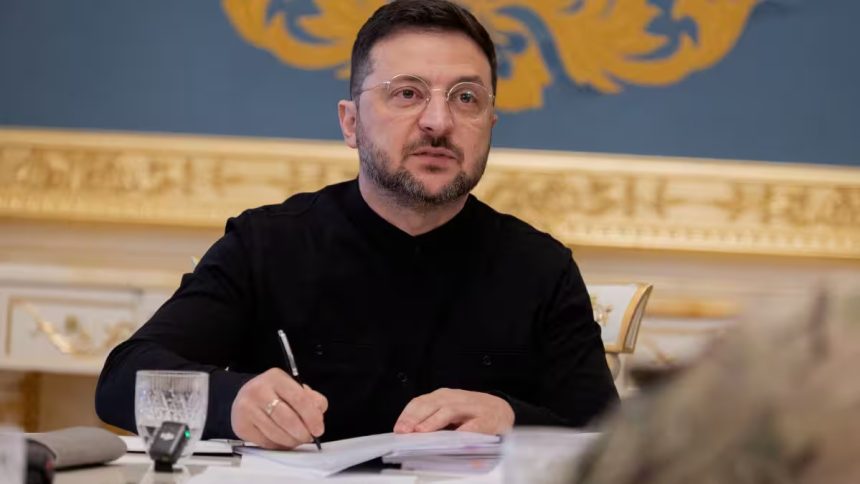
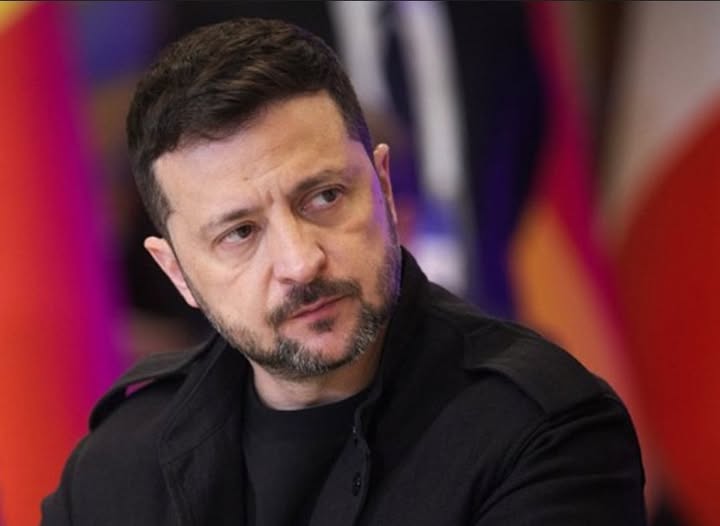
Volodymyr Zelensky has signaled Ukraine’s interest in importing liquefied natural gas (LNG) from Mozambique, as the country continues to grapple with energy shortages caused by sustained Russian attacks.
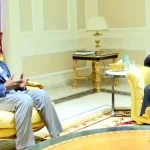
The Ukrainian leader held talks on Monday with Mozambique’s president, Daniel Chapo, exploring a potential partnership that would see Ukraine receive gas supplies in exchange for security cooperation. Writing on X after the meeting, Zelensky said Ukraine could assist Mozambique in tackling “security challenges,” while securing much-needed energy imports.
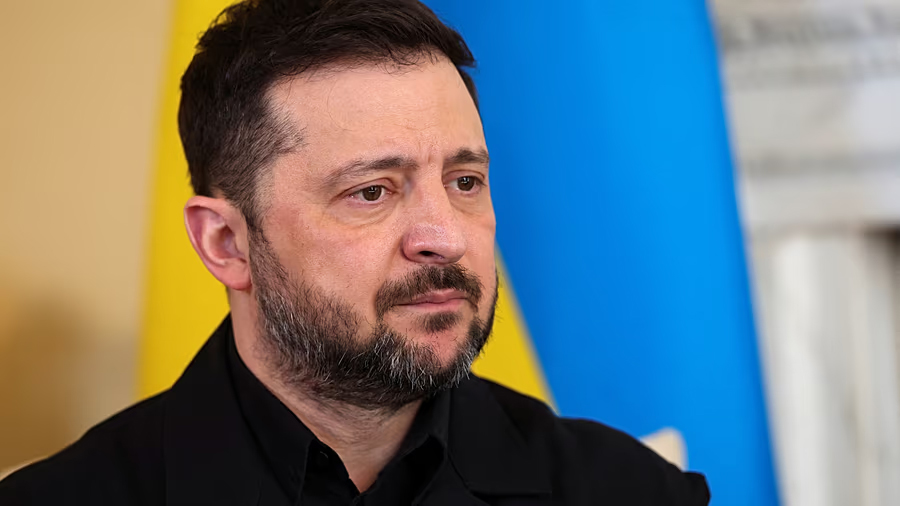
“Ukraine is interested in additional energy supplies. Mozambique is interested in Ukraine’s experience and technologies to strengthen its internal security and protect people from terror,” Zelensky noted.
We discussed the possibilities for gas supplies to Ukraine and opportunities for countering security challenges with the President of Mozambique, @daniel_chapo24. Ukraine is interested in additional energy supplies. Mozambique is interested in Ukraine's experience and… pic.twitter.com/4gAnz7hWxM
— Volodymyr Zelenskyy / Володимир Зеленський (@ZelenskyyUa) March 23, 2026
More Read
The proposal comes as Ukraine’s energy sector remains under severe strain following Russia’s full-scale invasion of Ukraine. Prior to the war, Ukraine’s domestic gas production met nearly all of its energy needs. However, repeated Russian strikes over the past four years have significantly damaged critical infrastructure.
According to Reuters, Ukraine has lost roughly half of its gas output, a situation confirmed late last year by Central Bank Governor Andriy Pyshnyi.
For Mozambique, the potential deal aligns with its ambitions to expand its role as a global energy supplier. The country is already a major gas producer, with large-scale projects led by TotalEnergies and Eni expected to significantly boost exports.

TotalEnergies recently relaunched its $20 billion LNG project, which had been halted for five years following a deadly jihadist attack linked to an ongoing insurgency that has plagued northern Mozambique since 2017.
If finalized, the partnership could mark a strategic exchange—energy for security—linking Eastern Europe’s wartime needs with Southern Africa’s resource potential and security challenges.