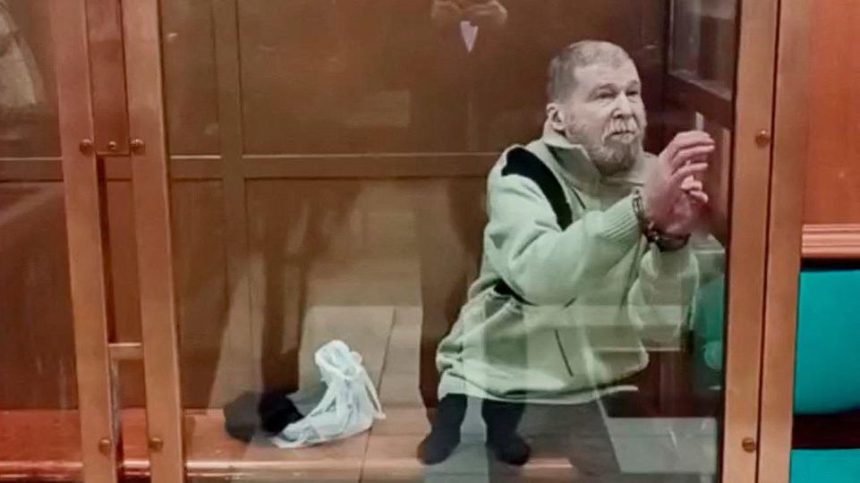
Russia has released 74-year-old American citizen Stephen Hubbard, who was sentenced to nearly seven years in prison over allegations that he fought alongside Ukrainian forces, amid renewed diplomatic engagement between Moscow and Washington.
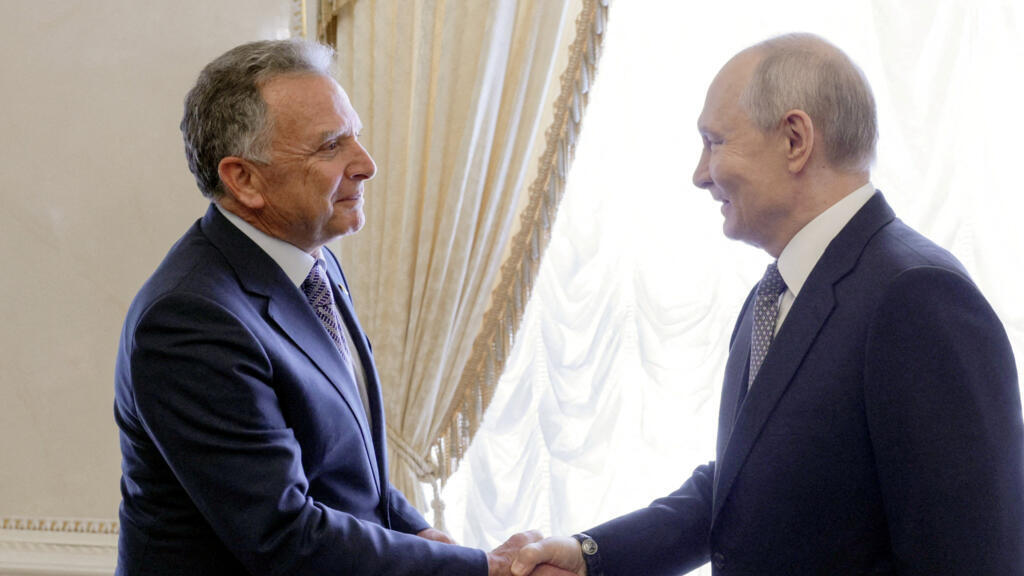
The release came as Russian President Vladimir Putin met with United States special envoy Steve Witkoff in St Petersburg to discuss a range of issues, including efforts to end the war in Ukraine, economic cooperation and tensions involving Iran.
According to reports from Russian state media, Putin confirmed during the meeting on Wednesday that Hubbard had been taken to Pulkovo Airport in St Petersburg, from where he was expected to begin his journey back to the United States.
US President Donald Trump later announced Hubbard’s release, saying the former teacher was “on his way back home” and insisting that no prisoner exchange had been necessary.
Trump also said the release followed a request he had made directly to Putin the previous week, highlighting what he portrayed as the importance of direct diplomatic engagement between the two leaders.
More Read

Hubbard’s Imprisonment and Release
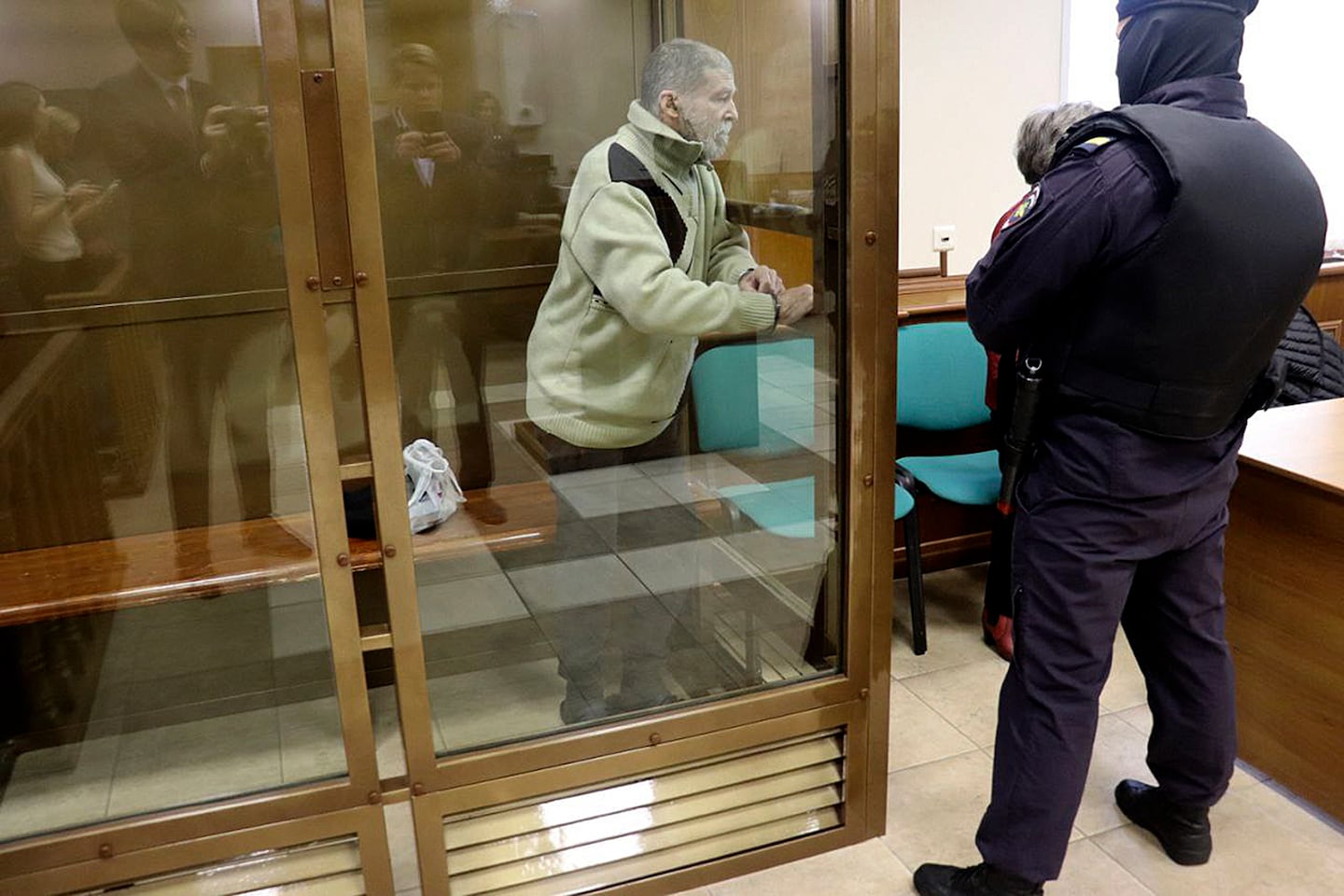
Hubbard, a native of Michigan, was arrested by Russian forces in 2022, shortly after Moscow launched its full-scale invasion of Ukraine.
Russian authorities accused him of serving in a Ukrainian defence unit in the eastern Ukrainian city of Izyum. He was subsequently sentenced to nearly seven years in a penal colony in 2024.
More Read
The US State Department had classified Hubbard as “wrongfully detained,” a designation used by Washington for certain Americans held abroad whom the US government believes have been unjustly imprisoned.
Trump had hinted on Tuesday that Hubbard’s release could be imminent, telling reporters that his administration had been focused on securing the American’s freedom.
According to CBS News, the BBC’s US media partner, Hubbard had been in poor health and was expected to be flown to Texas for medical treatment following his release.
While prisoner exchanges have secured the freedom of other Americans detained in Russia, Trump maintained that Hubbard’s return did not require a swap.
Witkoff Praises Putin During St Petersburg Meeting
During the meeting, Witkoff praised Putin for facilitating Hubbard’s release, describing the Russian president as a humanitarian.
“You talk so much about my president, President Trump, being a humanitarian — you are a humanitarian also, sir, and I salute that. I commend you,” Witkoff said.
More Read

Hubbard was later seen thanking Witkoff during a separate meeting. Putin’s financial adviser, Kirill Dmitriev, was also present.
The episode came amid renewed efforts by Washington to engage Moscow over the conflict in Ukraine, although major disagreements remain between Russia and Ukraine and their respective international partners.
Ukraine Peace Talks Remain Uncertain
Witkoff, who had met Ukrainian President Volodymyr Zelensky in Oslo the previous day, reportedly asked Putin to consider proposals discussed during the Norwegian talks.
The proposals included reviving trilateral peace negotiations involving Russia, Ukraine and the United States in an effort to bring an end to the war.
However, Putin had not publicly indicated whether Moscow would accept the proposals.
Russia has continued to reject proposals from Ukraine and its European allies to freeze the existing front line as a starting point for negotiations, underscoring the significant obstacles facing diplomatic efforts.
As the St Petersburg meeting unfolded, Zelensky took to social media to express concern about Russia’s willingness to pursue peace.
He said much would depend on whether the American side could obtain new information from Moscow about ending the conflict rather than continuing the war.
Russian state news agency RIA Novosti reported that the discussions covered the outcome of the Oslo talks, with Witkoff bringing documents outlining possible approaches to the peace process.
The two sides also reportedly discussed Iran, the possibility of a meeting in China and future economic cooperation between Russia and the United States.
Russia-US Economic Cooperation Raises Questions
Economic issues also featured prominently in the discussions, including an agreement concerning Russian diesel imports into the United States.
Witkoff thanked Putin for the arrangement, saying Trump was deeply grateful for the agreement. Putin reportedly said the first shipment would leave Russia within two to three days.
The diesel arrangement has drawn criticism from Kyiv and added to tensions between Washington and Ukraine.
Trump’s administration had also suspended certain sanctions against Russia shortly before they were due to take effect, a decision the US president appeared to defend by arguing that imposing the restrictions could have derailed negotiations over Hubbard’s release.
The developments have raised broader questions about the relationship between diplomatic negotiations, economic interests and the use of sanctions as leverage in international disputes.
Strained US-Ukraine Relations
Relations between Washington and Kyiv have experienced renewed strain in recent weeks amid disagreements over energy, military cooperation and the direction of the war.
Trump has sought to link rising fuel prices in the United States to Ukrainian attacks on Russian energy infrastructure, as his administration faces political pressure ahead of the November US midterm elections.
Ukraine, meanwhile, accused Washington of suspending intelligence sharing following deadly Russian attacks, an allegation the US rejected as scandalous.
Kyiv also alleged that restrictions affecting the Starshield internet service used in its war effort had been deliberately imposed.
Zelensky said on Tuesday that intelligence sharing had resumed following his discussions with Witkoff in Oslo. A US official described those talks as constructive.
The resumption of intelligence cooperation could provide some relief to Kyiv, but the broader disagreements between the two governments remain unresolved.
Talks Last More Than Three Hours
The meeting between Putin and Witkoff in St Petersburg reportedly lasted more than three hours, according to Russian state-run media.
Beyond Ukraine and the release of Hubbard, the discussions covered the situation surrounding Iran, possible high-level engagements in China and opportunities for expanded economic cooperation.
Putin reportedly suggested that Russia could supply substantial quantities of fertilizer to the American market, indicating that commercial interests remain part of the broader diplomatic dialogue.
Although Hubbard’s release represents a positive development for his family and a potential diplomatic achievement for Washington, it remains unclear whether the meeting will produce meaningful progress towards ending the war in Ukraine.
For now, the central question is whether renewed engagement between Moscow and Washington can translate into concrete steps towards peace, or whether fundamental disagreements over territory, security and the future of Ukraine will continue to block a settlement.