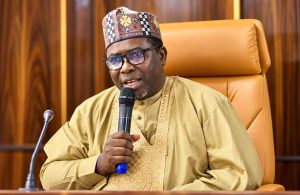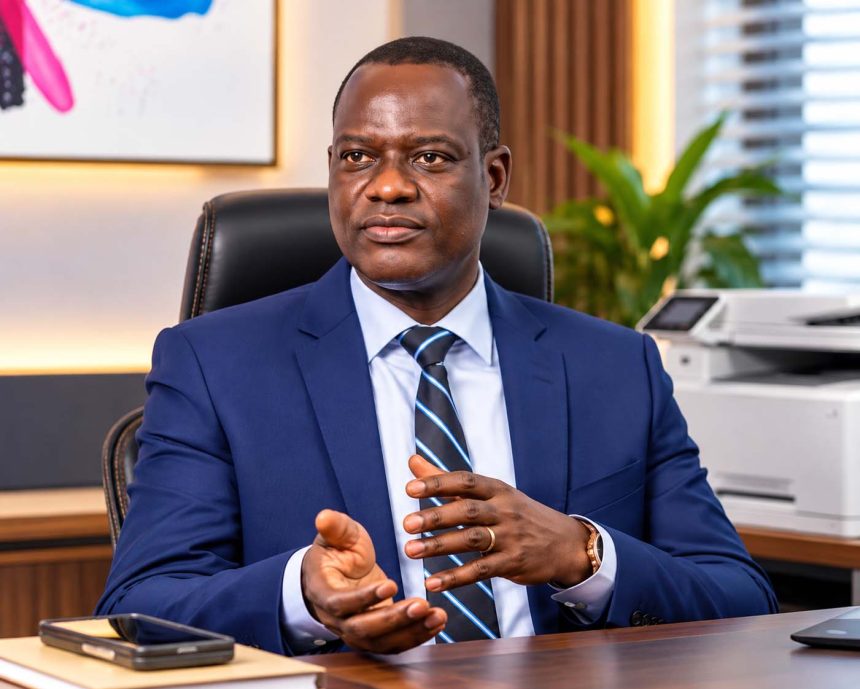
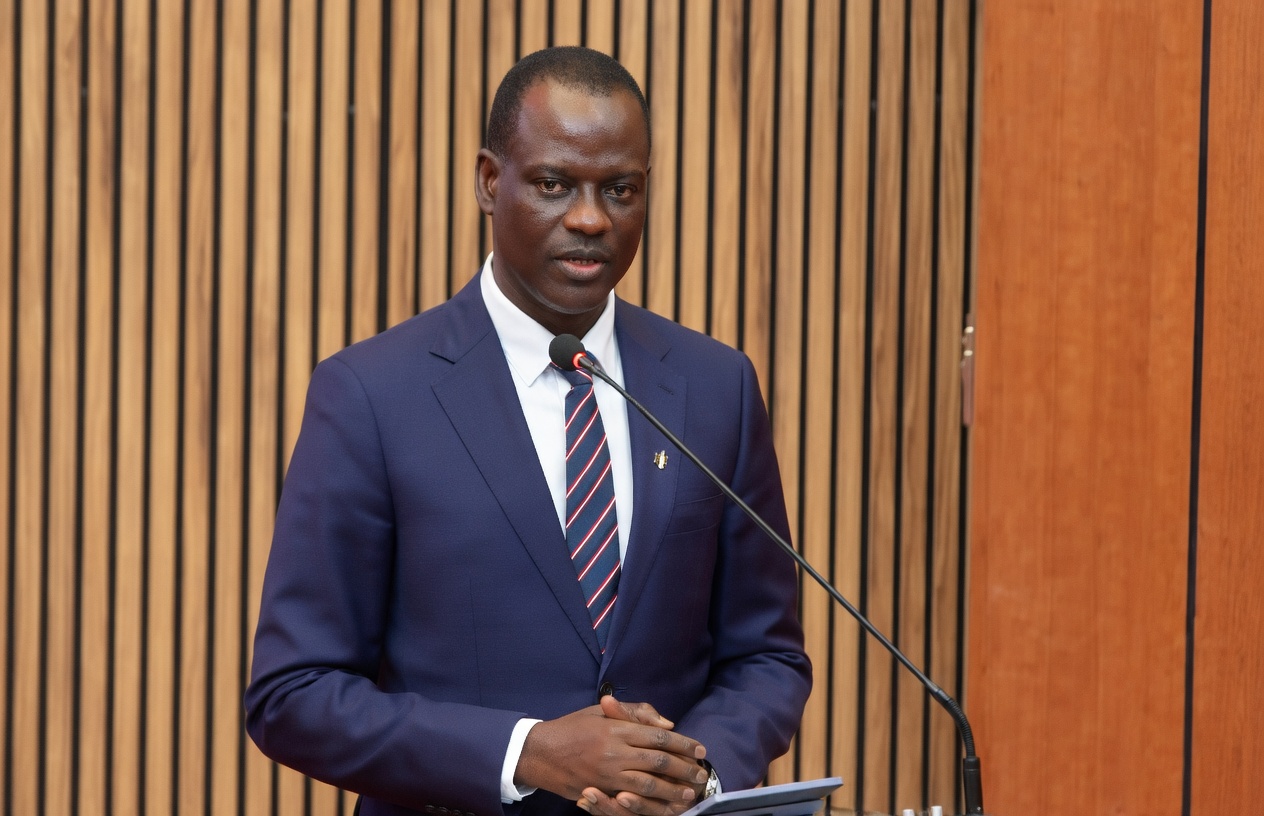
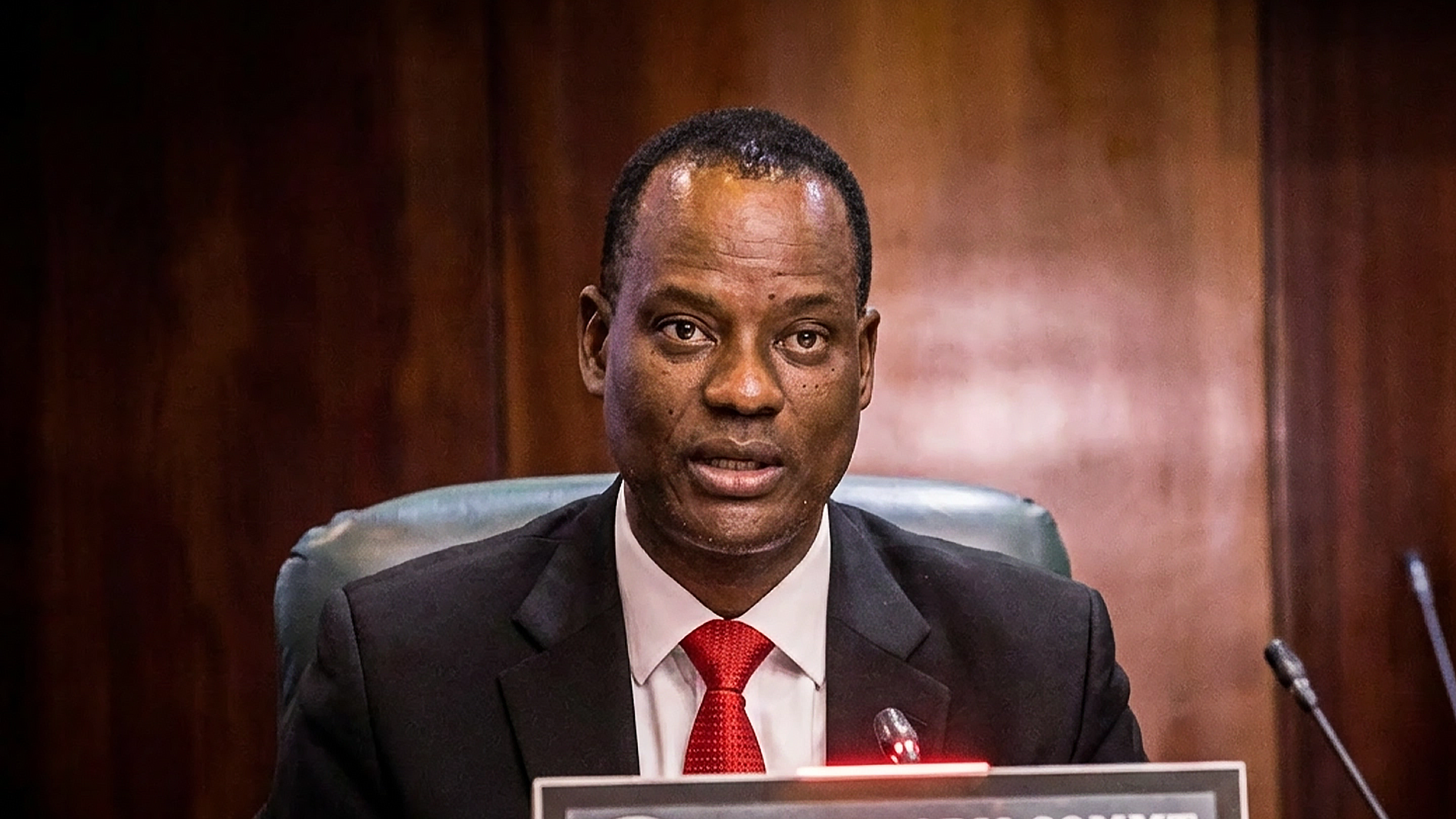
BANGKOK, Thailand — Nigeria’s economic reforms have strengthened investor confidence, with the financial markets and international investors anticipating policy continuity beyond the 2027 general election, the Minister of Finance and Coordinating Minister of the Economy, Taiwo Oyedele, has said.
Oyedele made the remarks during a press briefing alongside the Governor of the Central Bank of Nigeria (CBN), Olayemi Cardoso, at the 2026 Annual Meetings of the International Monetary Fund (IMF) and World Bank in Bangkok, Thailand.
The minister said investors were increasingly concerned about the sustainability of Nigeria’s economic reforms, particularly whether political developments ahead of the 2027 elections could prompt the government to reverse key policies.
According to him, investors expect the current administration to maintain its reform programme, which he said was aimed at stabilising the economy and establishing a foundation for sustainable growth.
“The markets and the international community have been pricing in the prospect of a second term for the President, and they expect continuity in the reforms,” Oyedele said.

He explained that investors had questioned whether electoral considerations could influence the government’s economic decisions, particularly as the country approaches another general election.
However, the minister maintained that the reforms were driven by economic necessity rather than political interests, stressing that abandoning them could undermine the progress made towards stabilizing the economy.
“It is not because I am trying to help Mr President win re-election,” he said.
More Read
Government Rules Out Return to Fuel Subsidy, Multiple Exchange Rates
Oyedele reaffirmed the Federal Government’s commitment to sustaining the removal of petrol subsidies and the unification of Nigeria’s foreign exchange market, declaring that there would be no return to the previous arrangements.
“There will be no return to fuel subsidies or multiple exchange rates,” he stated.
The minister warned that reversing the reforms could weaken investor confidence, encourage capital flight and renew pressure on the naira, potentially creating fresh challenges for the foreign exchange market.
“If you reverse these reforms, investors will respond. Capital will leave, pressure will return to the foreign exchange market and the naira will come under pressure. We cannot afford to go back to where we were,” he said.
He also clarified that the recent decision by NNPC Retail to offer a petrol price discount should not be interpreted as a reinstatement of government-funded fuel subsidies.
More Read
According to Oyedele, the discount was a commercial decision by the company, which could choose to reduce its profit margin or adjust prices as part of its business strategy.
“What you are seeing from NNPC Retail is a commercial decision. It is not a subsidy. A company can decide to reduce its margin or offer a discount as part of its business strategy. That does not mean the government has brought back subsidies,” he explained.
Oyedele Targets Seven Per Cent Economic Growth
Beyond maintaining macroeconomic stability, the finance minister expressed confidence that Nigeria could outperform the economic growth projections of the IMF and the World Bank.
He argued that although the forecasts of international financial institutions provide useful economic guidance, Nigeria must pursue more ambitious growth targets to address unemployment, improve household incomes and reduce poverty.
“The IMF and the World Bank make projections based on the information and assumptions available to them. We respect their work, but our ambition cannot be limited to their projections,” he said.
Oyedele disclosed that the Federal Government was targeting economic growth of seven per cent, describing the goal as necessary to expand economic opportunities and improve living standards.
“We are targeting growth of seven per cent. That is what we believe Nigeria needs to create jobs, improve incomes and reduce poverty. We must be ambitious, but we must also do the work required to achieve that growth,” he added.
He identified high food prices, energy costs and logistics expenses as major obstacles to economic expansion, noting that addressing these challenges would help reduce production costs, stimulate investment and improve the competitiveness of Nigerian businesses.
“If we want stronger growth, we have to address the things that make production expensive in Nigeria. Food, energy and logistics are major pressure points. We need to bring down those costs and improve the efficiency of doing business,” Oyedele said.
Government Seeks Lower Inflation and Interest Rates
The minister also emphasised the need to achieve a sustained reduction in inflation, arguing that lower price pressures would create conditions for reduced interest rates and improved access to credit for businesses.
He noted that persistently high inflation often contributes to elevated borrowing costs, making it difficult for businesses to secure affordable financing, expand operations and create jobs.
“We want inflation to come down to low single digits. When inflation is high, interest rates are also high, and businesses struggle to borrow at a cost that allows them to make a profit. Our objective is to create an environment where businesses can invest and grow,” he said.
His remarks highlight the government’s stated objective of moving beyond economic stabilisation towards stronger productive activity, private-sector investment and employment generation.
However, the extent to which lower inflation and borrowing costs translate into improved business conditions and household welfare will remain an important measure of the reforms’ impact.
Nigeria Presents $78.5 Billion Investment Opportunities
As part of efforts to attract private capital and accelerate economic growth, Oyedele disclosed that Nigeria had presented 65 investment projects valued at $78.5 billion to prospective investors.
The proposed investments cover several sectors, including energy, transportation, manufacturing, mining, agriculture, healthcare and urban services.
The government is seeking to mobilize private investment to support infrastructure development, expand productive capacity and create employment opportunities across the country.
The investment drive reflects the administration’s broader strategy of attracting domestic and international capital to sectors considered critical to Nigeria’s long-term economic development.
By encouraging private-sector participation, the government hopes to unlock financing for major projects while supporting business expansion and reducing barriers to economic activity.
Oyedele Says Reforms Must Deliver Benefits to Nigerians
Despite the government’s emphasis on investor confidence, policy continuity and macroeconomic stability, Oyedele acknowledged that the ultimate measure of success would be whether the reforms improve the lives of ordinary Nigerians.
He stressed that better economic indicators must translate into tangible outcomes, including more jobs, higher incomes, business growth and improved living conditions.
“Stability is earned, and growth is a task. It is not enough to say that the numbers are improving. We must ensure that growth creates jobs, that businesses are able to expand and that Nigerians can see the benefits in their daily lives,” he said.
The minister urged Nigerians to recognize the opportunities he said were emerging from the reforms, while reiterating that consistent economic policies would be essential to maintaining investor confidence and achieving stronger growth.
As Nigeria moves towards the 2027 general election, the sustainability of the government’s economic programme, the cost of living, employment opportunities and the ability of businesses to access affordable financing are likely to remain central issues in assessing the country’s economic direction.
While the government is seeking to reassure investors that its policies will remain consistent, the broader challenge will be ensuring that the expected gains from economic stability translate into measurable improvements in the welfare of Nigerians.