LAGOS — The Nigeria Labour Congress (NLC) has backed the demand by civil servants for a proposed N500,000 monthly minimum salary for entry-level public servants under a new 2027 salary structure, while also calling for a reduction of petrol prices to N500 per litre.
The demands were contained in a letter by the Joint National Public Service Negotiating Council (JNPSNC), Trade Union Side, to President Bola Ahmed Tinubu.
The council called for urgent government intervention to address what it described as worsening economic hardship confronting workers and their dependants.
Among its major demands are an immediate Wage Award for public servants, an upward review of salaries and allowances, and the immediate constitution of a committee to negotiate a new National Minimum Wage ahead of January 2027.
More Read

Workers Demand N500,000 Salary
The JNPSNC proposed that the minimum salary payable to an officer on Grade Level 01, Step 1 should be N500,000 per month under the proposed 2027 salary structure.
The council also called for harmonized wages across Ministries, Departments and Agencies, with corresponding reviews at the state and local government levels.
It further proposed periodic adjustments to salaries and allowances in line with inflation.
More Read

The council said improved remuneration was necessary to restore workers’ purchasing power, improve productivity and service delivery, and strengthen industrial peace.
However, the proposed N500,000 figure is a demand from the workers’ negotiating council and is not an approved government salary structure.
Workers Demand N500 Petrol
The JNPSNC also asked the Federal Government to stabilise the price of Premium Motor Spirit (PMS), popularly known as petrol, at N500 per litre.
The council said petrol prices reaching about N1,430 per litre or more in some locations had intensified the cost-of-living crisis and affected transportation and the prices of essential goods and services.
The workers proposed the establishment of a fuel intervention fund to help stabilize prices and eventually bring the pump price down to N500 per litre.
The council argued that reducing fuel costs would have a wider economic effect because transportation and production costs are closely linked to the price of petrol.
More Read

September 30 Deadline
The JNPSNC gave the Federal Government until Wednesday, September 30, 2026, to respond to its demands.
The council warned that continued economic hardship was creating tension among workers and Nigerians.
It also urged President Tinubu to address the concerns in his forthcoming Independence Day broadcast.
Labour Rejects Food Palliatives as Long-Term Solution
The workers also criticized the reliance on food palliatives as a response to the economic crisis.
The council argued that distributing food items could not provide a sustainable solution to the broader challenges of declining purchasing power, high transportation costs and rising household expenses.
Instead, it called for interventions that could reduce the underlying costs affecting workers and other Nigerians.
NLC Backs Civil Servants
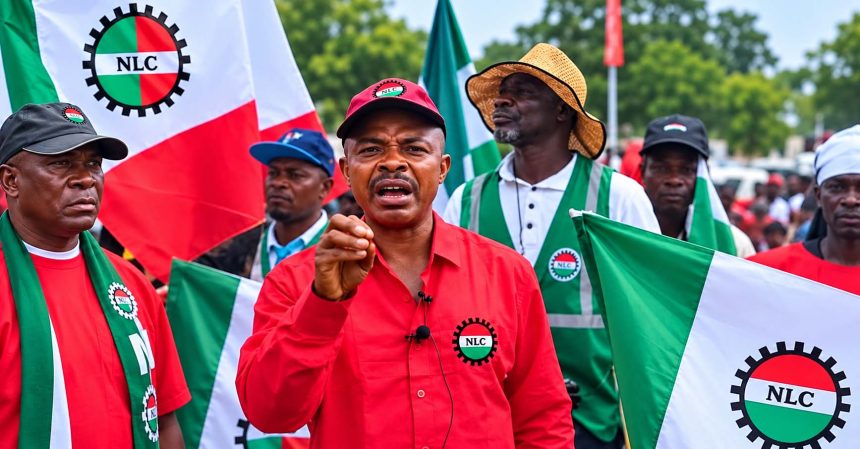
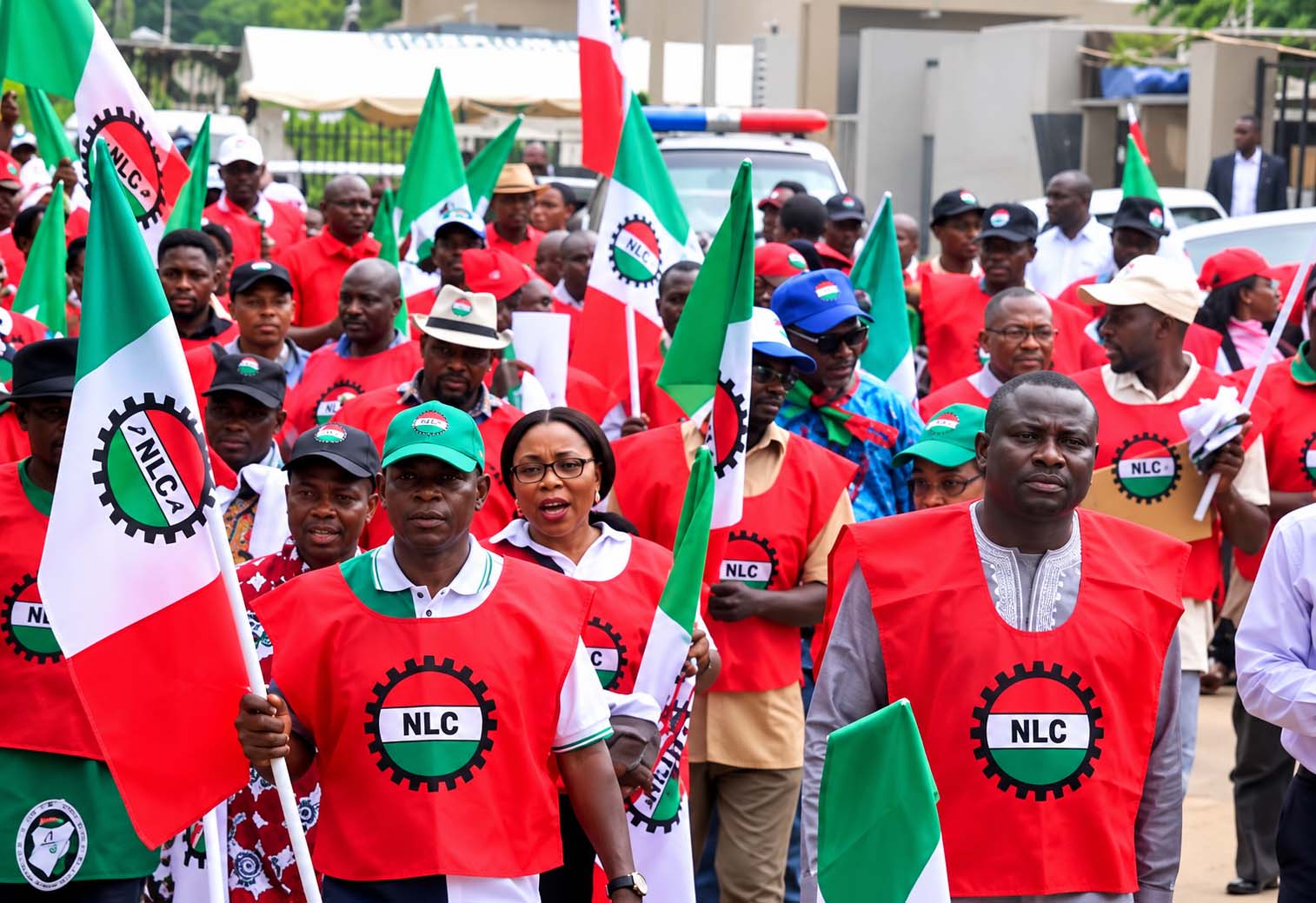
The Nigeria Labour Congress has backed the workers’ demands.
NLC Acting General Secretary Benson Upah described the demand for a Wage Award and a reduction in petrol prices as realistic and long overdue.
He said workers’ earnings had been eroded by inflation while transportation, food, education and other household expenses had continued to increase.
The NLC argued that the impact of fuel prices extends beyond workers because changes in transportation and energy costs can affect the prices of goods and services across the economy.
Push for 2027 Wage Negotiations
The JNPSNC is also seeking the immediate commencement of negotiations for a new National Minimum Wage ahead of January 2027.
It urged the President to direct the National Salaries, Incomes and Wages Commission (NSIWC) to begin discussions with the NLC, Trade Union Congress of Nigeria (TUC), JNPSNC and other relevant stakeholders.
The council said early negotiations would help ensure that the proposed new wage structure could take effect from January 2027.
The latest demands place workers’ wages, petrol prices and the wider cost-of-living crisis at the centre of renewed discussions between organized labour and the Federal Government.
Cruise TV News will continue to monitor developments as the September 30 deadline approaches.