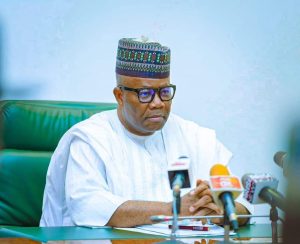
Nasarawa State Governor, Abdullahi Sule, has faulted the proposal by former Vice President Atiku Abubakar to reintroduce fuel subsidy if elected president in 2027, describing the plan as impracticable amid the structural challenges facing Nigeria’s petroleum industry.
Sule, who spoke during an appearance on MIC ON Podcast, said his experience as an engineer in the oil and gas industry had given him firsthand knowledge of the complexities surrounding fuel subsidy and the difficulties involved in implementing such a policy.
The governor argued that the logistics of importing and distributing Premium Motor Spirit (PMS), commonly known as petrol, would make a return to the subsidy regime difficult to manage effectively.
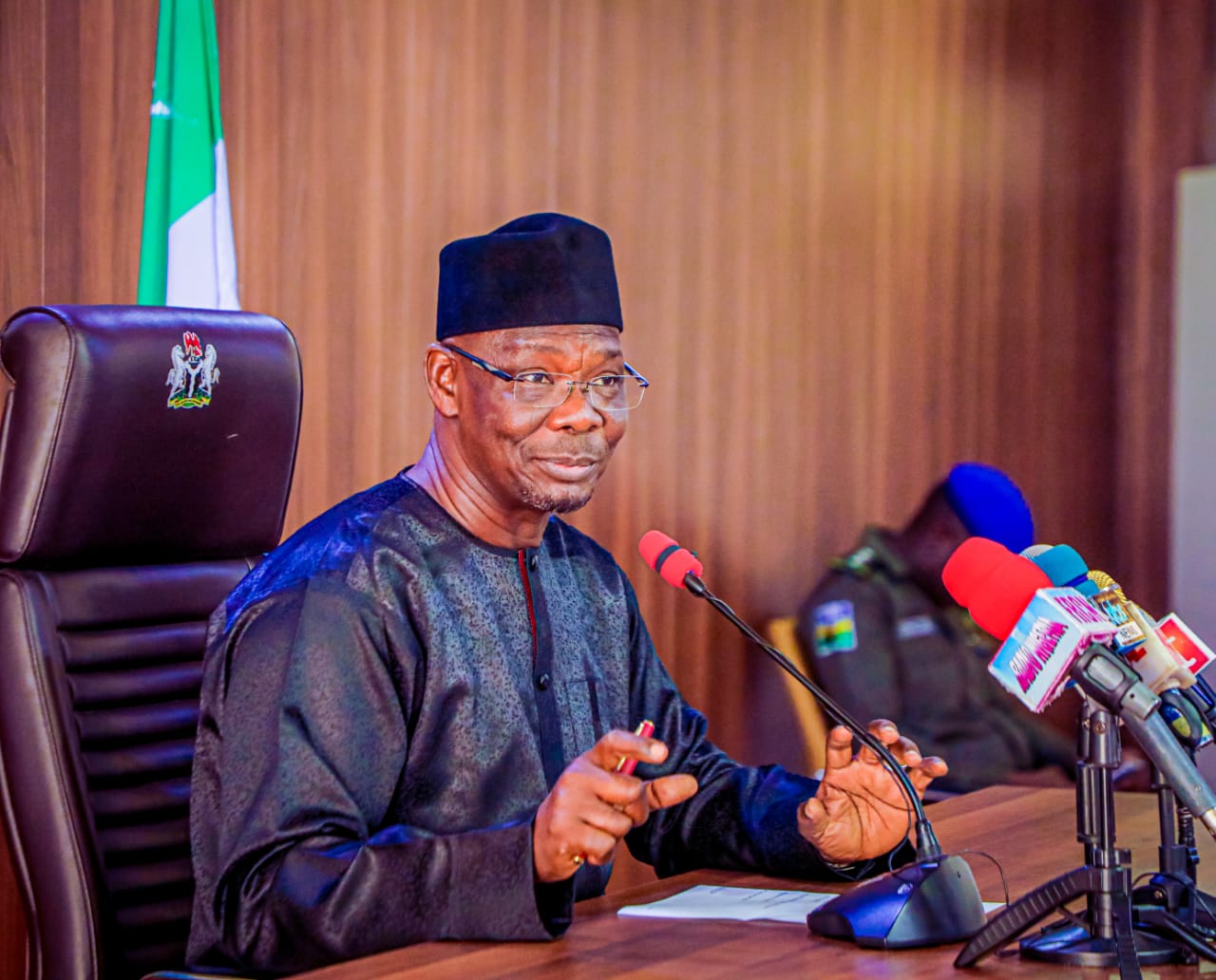
“I come from that industry. I know the challenges of subsidy. It is not practicable to say you are going to reintroduce subsidy,” Sule said.
Explaining the operational difficulties, the governor cited the challenges faced by vessels transporting imported petroleum products, noting that a typical ship carrying about 30,000 metric tonnes of petrol could encounter delays at Nigerian ports because of draft limitations.
According to him, such vessels may be required to discharge their cargo through lightering, a process that involves transferring products to smaller vessels before they can be delivered to shore.
Sule said the additional time required for the process could result in substantial demurrage costs, which he identified as one of the factors that complicated the former subsidy system.
He also alleged that the subsidy regime created opportunities for corruption, claiming that some individuals benefited financially from prolonged delays in the discharge of imported petroleum products.
“Sometimes, because of the corruption with subsidy, they allow it actually to stay longer than necessary because some people make money out of that. So, the more the demurrage, the more corruption, the more some individuals have more money in their pockets,” he said.
The governor further questioned the operations of the former system, under which the Nigerian National Petroleum Corporation (NNPC) imported petroleum products and supplied them to marketers at subsidised prices.
He alleged that some marketers who purchased products from the NNPC were also involved in importing petroleum products, creating opportunities to profit from differences in pricing.
Sule maintained that the challenges associated with subsidy extended beyond the importation of refined petroleum products to Nigeria’s crude oil supply and domestic refining capacity.
He argued that the country’s crude production was not necessarily available for immediate domestic use because some of its future output had already been committed through forward-sale agreements.
The governor questioned whether Nigeria had sufficient crude oil available to meet the needs of domestic refineries, including the Dangote Petroleum Refinery, given the existing commitments.
“Is Dangote not importing crude oil? Do you think Nigeria has enough crude oil to give Dangote after the forward sales of oil?” he asked.
Sule said policymakers might not fully appreciate the complexities of the petroleum sector until they assumed office and gained access to detailed information about the country’s production and contractual obligations.
“Sometimes when you’re outside the cycle, you think the cycle is empty until you get in. Part of the production of Nigeria has been sold, forward sales long time ago. It’s when you come to office you’ll realise you don’t have the oil,” he said.
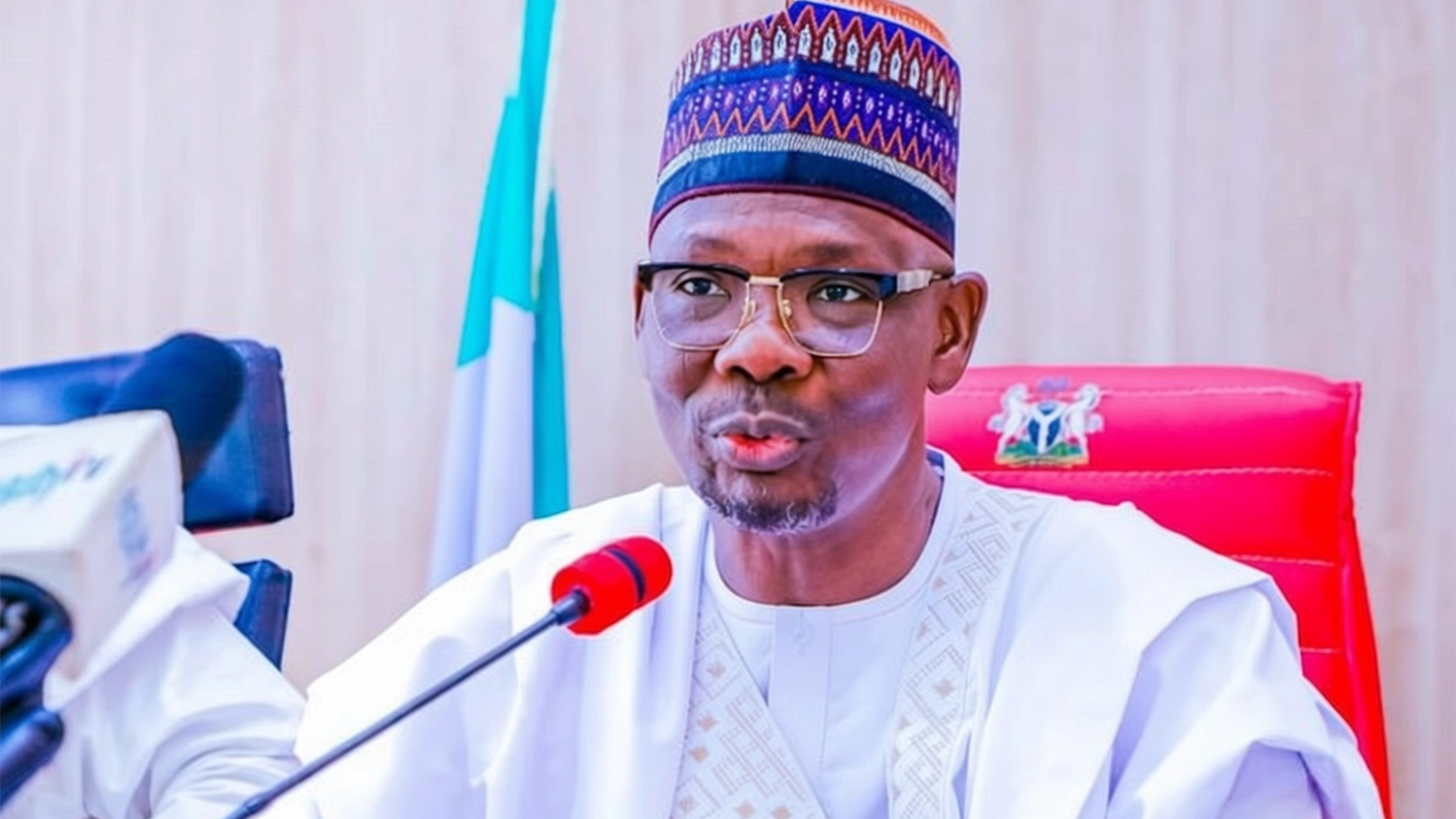
His comments come amid discussions over the economic policies that could shape the 2027 presidential election, particularly the future of fuel pricing, domestic refining and the management of Nigeria’s petroleum resources.
Atiku, the presidential candidate of the African Democratic Congress (ADC), has said his approach to petrol subsidy would focus on increasing domestic production rather than subsidising consumption.
However, Sule maintained that the structural and operational challenges within the petroleum industry would make a return to the former subsidy system impracticable, pointing to the complexities of fuel imports, crude oil commitments and the potential for corruption.