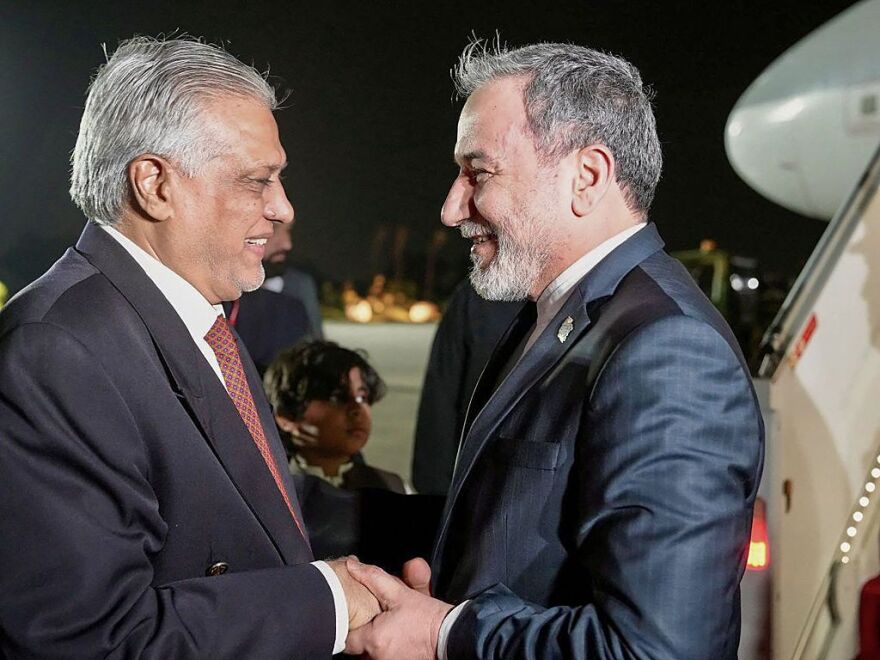
Iran’s Foreign Minister Abbas Araghchi has arrived in Islamabad for high-level talks with Pakistani leaders, even as the United States prepares to dispatch senior envoys to Pakistan in a renewed push for diplomacy amid a tense regional standoff.
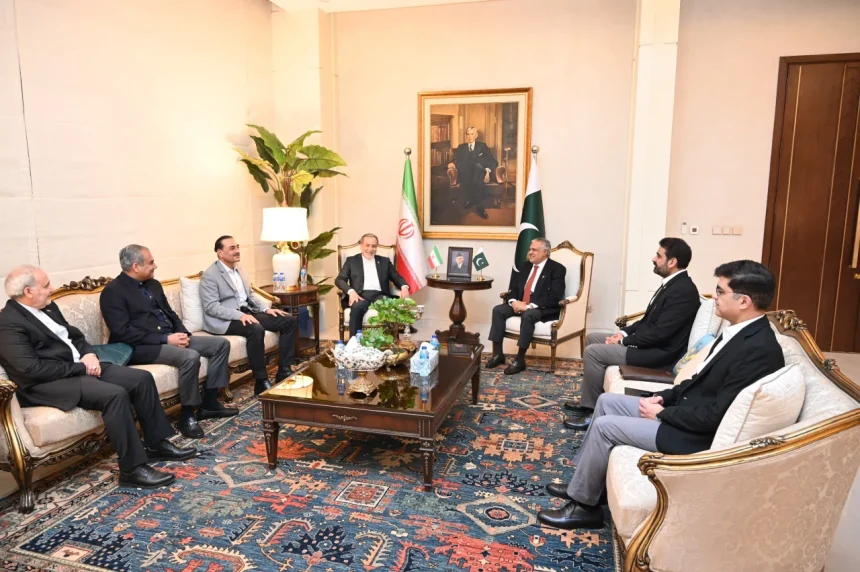
Araghchi, leading a senior delegation, touched down in the Pakistani capital on Saturday for what Tehran describes as consultations on regional peace and coordination with Islamabad, which has emerged as a key mediator in the ongoing crisis.
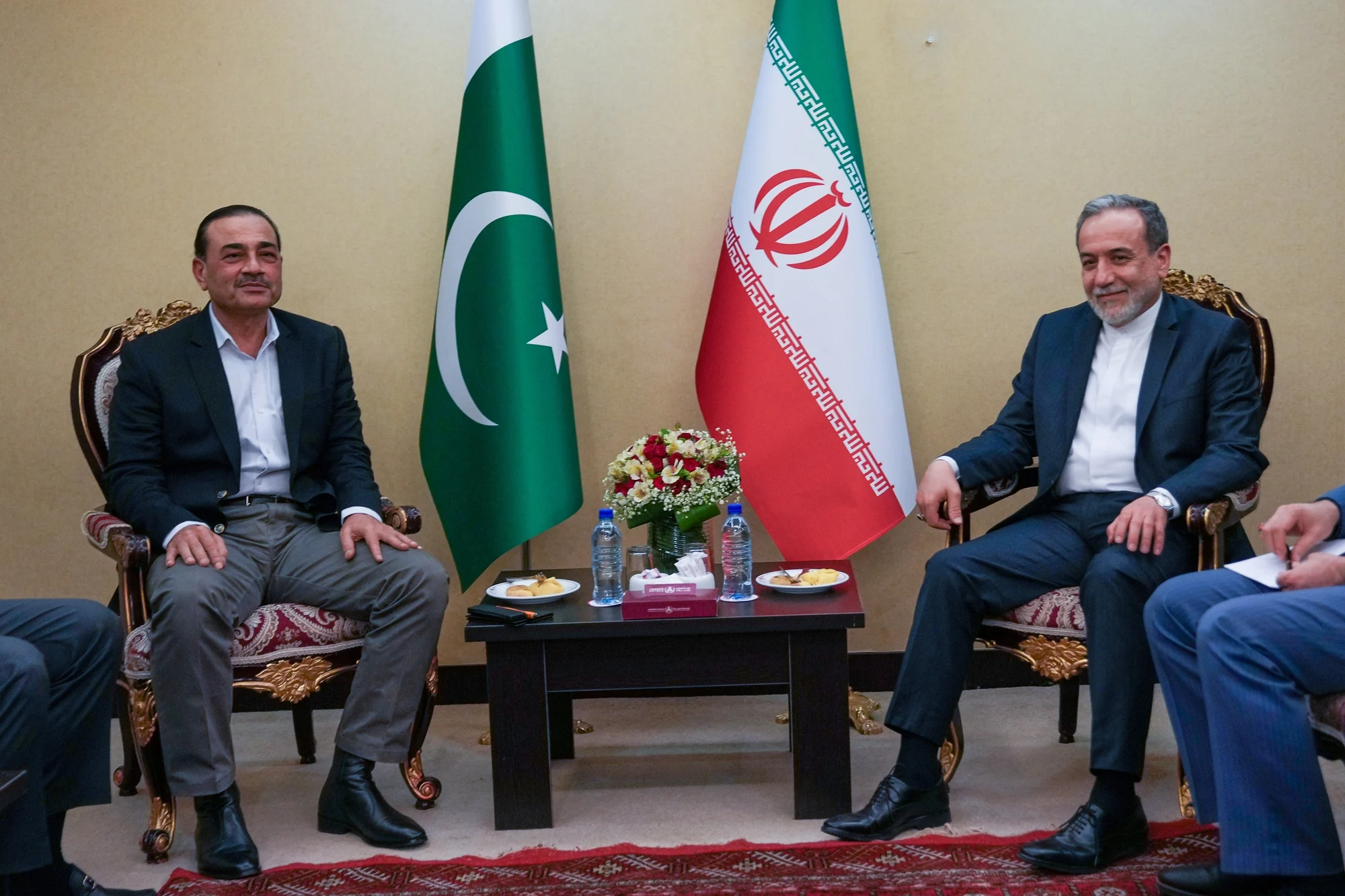
The visit comes at a critical juncture following the collapse of earlier negotiations between Washington and Tehran earlier this month, and amid a fragile ceasefire tied to the broader conflict involving Iran, the United States and its allies.
Diplomatic Activity Intensifies
According to U.S. officials, special envoys Steve Witkoff and Jared Kushner are expected to travel to Pakistan to revive stalled talks and explore pathways to de-escalation.
More Read
The renewed diplomatic push signals Washington’s continued openness to negotiations, despite limited progress since the first round of talks in Islamabad failed to produce an agreement.
Pakistan, which brokered the initial ceasefire and hosted earlier negotiations, is once again positioning itself at the center of efforts to bridge the divide between the two longtime adversaries.
More Read

Iran Rules Out Direct Talks — For Now
Despite the convergence of top officials in Islamabad, Iran has downplayed expectations of direct engagement with the United States during this visit.
Tehran has stated clearly that no face-to-face meeting with U.S. envoys is currently planned, stressing that any communication would be conducted indirectly through Pakistani intermediaries.
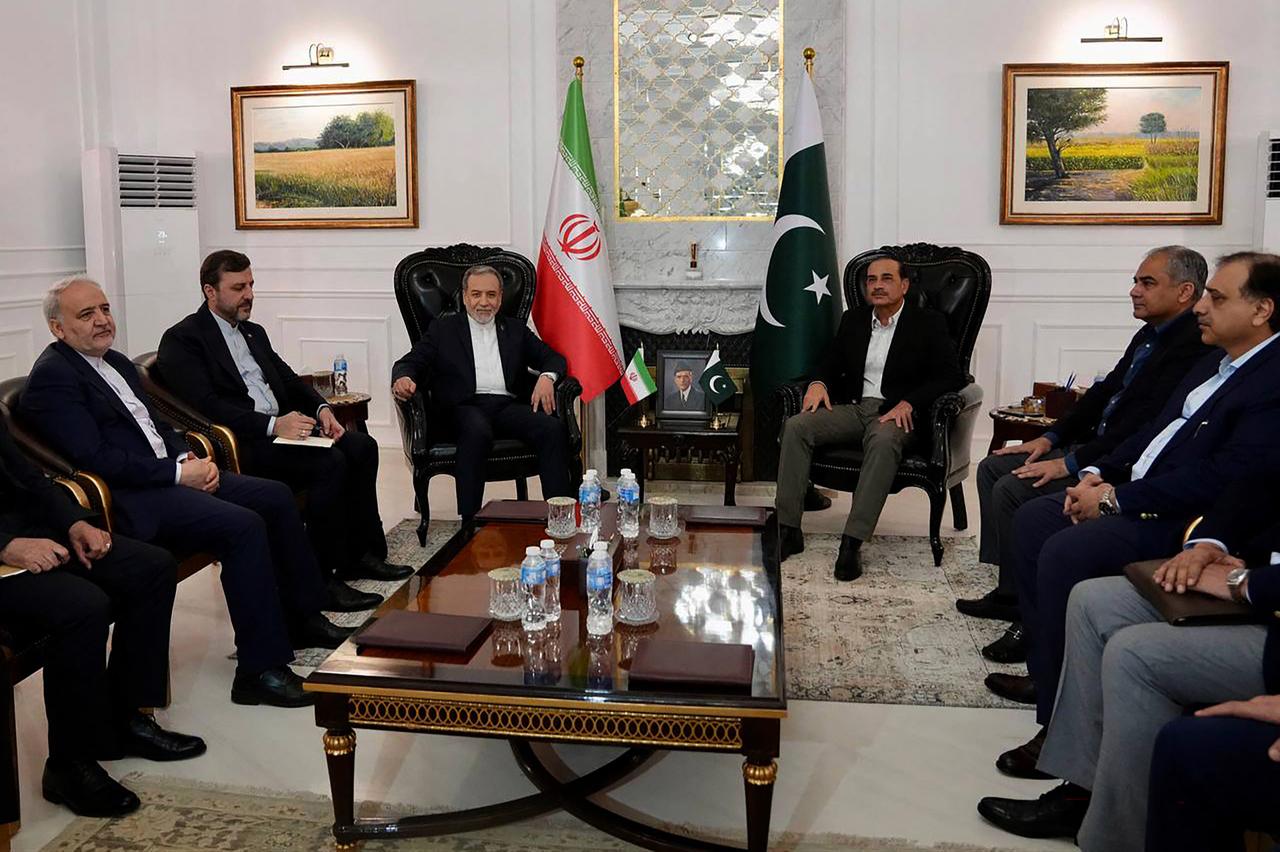
Iranian officials say Araghchi’s trip is primarily focused on bilateral discussions with Pakistan and broader regional issues, rather than direct negotiations with Washington.
Uncertain Prospects for Breakthrough
The flurry of diplomatic activity underscores both urgency and uncertainty. While the presence of key actors in Pakistan has raised hopes of progress, conflicting statements from Washington and Tehran suggest that a breakthrough remains far from guaranteed.
Previous talks in Islamabad ended without agreement, and tensions have since escalated, including the imposition of a U.S. naval blockade on Iran following the breakdown of negotiations.

Analysts say the current round of shuttle diplomacy could either reopen channels for meaningful engagement or further expose the deep mistrust between the two sides.
What Comes Next
With Araghchi scheduled to meet Pakistan’s top leadership — including Prime Minister Shehbaz Sharif — attention now turns to whether indirect contacts facilitated by Islamabad can pave the way for renewed formal negotiations.
For now, Islamabad has once again become the focal point of high-stakes diplomacy, as global powers test whether dialogue can succeed where previous efforts have faltered.