Sub-Saharan Africa is facing mounting economic pressure as the ongoing conflict in the Middle East fuels global uncertainty, disrupts energy markets, and drives up the cost of living, the International Monetary Fund (IMF) has warned.
Speaking at the IMF and World Bank Spring Meetings in Washington, Managing Director Kristalina Georgieva said the crisis is already reverberating across vulnerable economies, particularly in regions heavily dependent on imported fuel.
“We are watching closely the events in the Middle East, which are causing pain around the world,” Georgieva said, adding that while there is hope for a ceasefire, prolonged conflict could significantly worsen global economic conditions. “If this continues, we must brace for tough times ahead.”

Africa bears the brunt
Although the economic shock is global, its effects are disproportionately hitting low-income and oil-importing countries—many of which are in Sub-Saharan Africa.
More Read
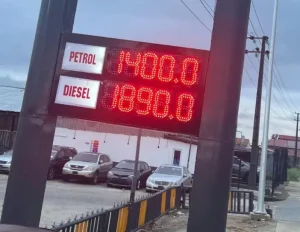
Rising oil prices have increased import bills across the region, placing pressure on currencies, widening fiscal deficits, and accelerating inflation. In several countries, fuel shortages have begun to emerge, further compounding hardship for households and businesses already grappling with high living costs.
The knock-on effects are slowing economic recovery and weakening growth prospects at a time when many economies are still rebuilding from the pandemic and earlier global shocks.
Rising demand for IMF support
As financial conditions tighten globally and borrowing costs rise, more African countries are turning to the IMF for assistance.
Georgieva noted an increase in demand for IMF programs from countries seeking support to stabilize their economies and restore confidence. Limited access to international capital markets has made external financing more difficult, leaving governments with fewer options.
“The heaviest burden falls on oil-importing countries and low-income countries,” she said.

Call for stronger economic resilience
Amid the growing uncertainty, the IMF is urging countries to adopt forward-looking policies aimed at strengthening resilience.
“Build sustainable policies in times of peace, do not wait for crisis,” Georgieva said, emphasizing the importance of sound fiscal management, strong institutions, and credible economic frameworks.
For countries already under strain, she stressed that maintaining macroeconomic and financial stability remains essential to navigating the current challenges.
More Read
Debt pressures constrain response
A key concern across Sub-Saharan Africa is the rising burden of public debt, which has surged following a series of global crises, including the COVID-19 pandemic and ongoing geopolitical tensions.
According to the IMF, debt levels in many countries are now at highs not seen since the aftermath of World War Two, limiting governments’ ability to respond to new shocks.
This has forced policymakers into difficult trade-offs between maintaining fiscal discipline and providing relief to vulnerable populations.
“There must be a balance between fiscal sustainability and protecting those who are hit the hardest and the most fragile,” Georgieva said. She cautioned against broad, untargeted subsidies, instead advocating for more targeted support measures.
IMF positions itself as crisis responder
As economic pressures intensify, the IMF has reiterated its role as a financial backstop for member countries in distress.
“The role of the IMF is that of a firefighter for member countries,” Georgieva said, highlighting the institution’s readiness to provide emergency financing and policy guidance.
For Sub-Saharan Africa, where external vulnerabilities remain elevated and private capital flows are tightening, such support is seen as critical in preventing deeper economic instability.
Uncertain road ahead
With geopolitical tensions unresolved and risks tilted to the downside, the outlook for Sub-Saharan Africa remains fragile.
Economists say the region’s trajectory will depend largely on how the Middle East conflict evolves, as well as the effectiveness of global policy responses.
For now, the IMF’s message is clear: while international support will be vital, long-term stability will depend on domestic reforms, disciplined fiscal policies, and stronger economic resilience in the face of future shocks.