The White House spokesperson’s brief tenure was overshadowed by criticism of her first press briefing and questions over her legal credentials.
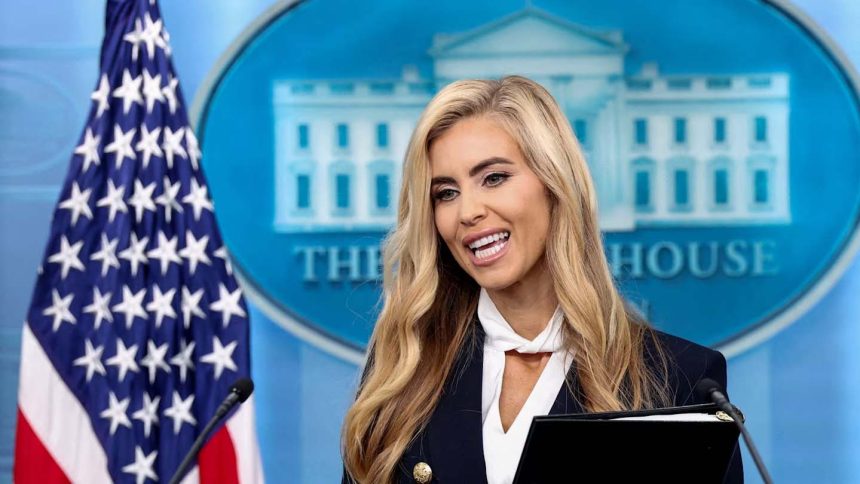
Donald Trump’s newly appointed press secretary, Katie Zacharia, has reportedly been fired just five days after assuming the high-profile role, following mounting criticism over her first White House press briefing and questions surrounding her professional credentials.
According to a White House official cited by The Guardian, Zacharia’s departure was confirmed on Friday, October 16, 2026. She subsequently acknowledged leaving the White House in a social media statement, expressing appreciation for the opportunity to serve the US president.
“President Trump is a kind, wonderful, gracious, thoughtful, enthusiastic, and hardworking man. I wish more Americans appreciated him. No one will ever make America great the way he has and continues to,” she wrote.
She added that it had been an honour to work for Trump.
More Read

Zacharia’s departure followed a turbulent week in which her appointment attracted widespread attention, with her brief experience as the president’s chief spokesperson quickly becoming a subject of public and media scrutiny.
Controversial First Briefing Raises Questions
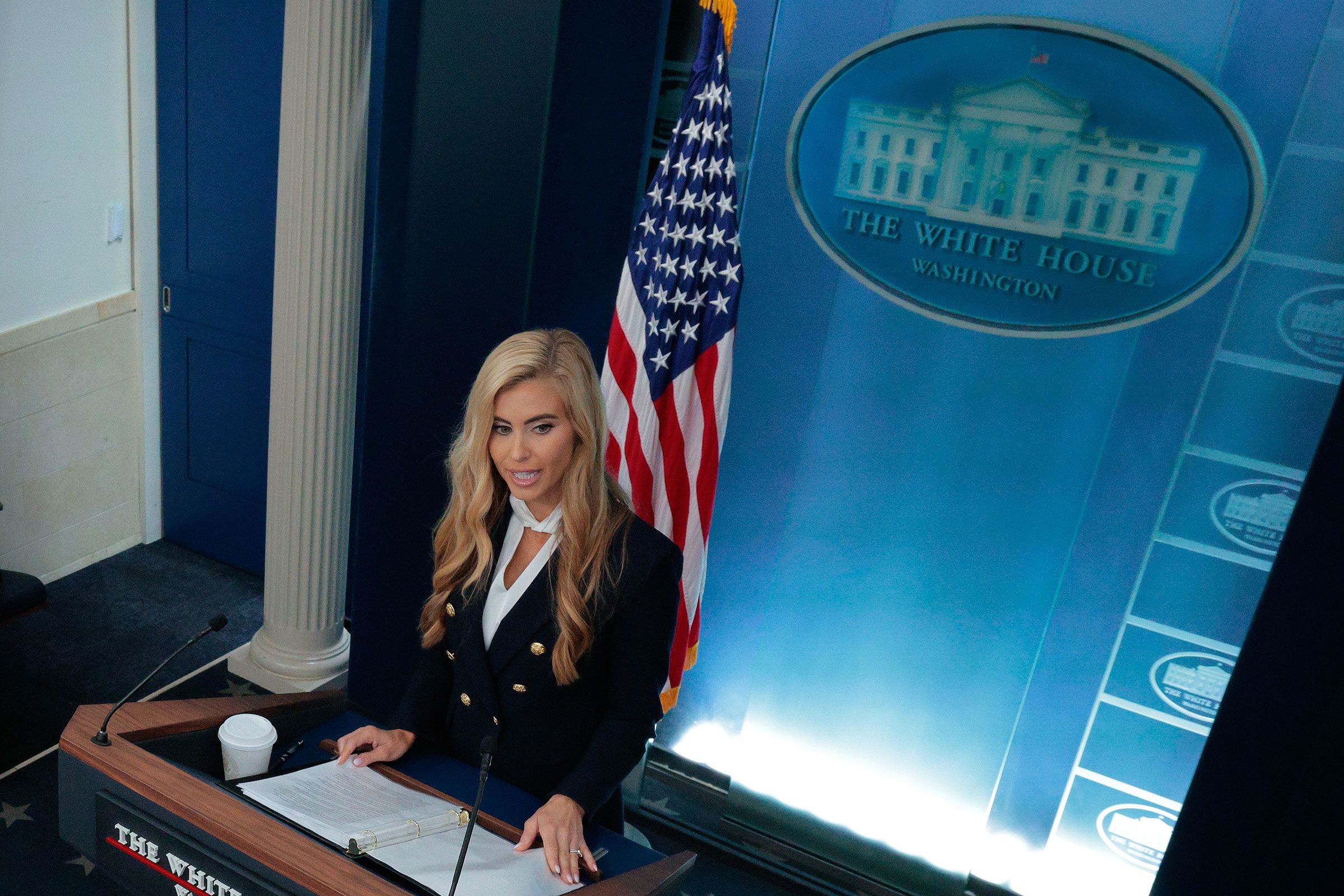
Zacharia, a conservative political commentator who was relatively unknown to the wider public before her appointment, encountered immediate criticism following her first press briefing on Tuesday, October 13.
More Read
The briefing lasted approximately 14 minutes and featured prepared remarks highlighting the Trump administration’s accomplishments. However, the session attracted criticism after Zacharia reportedly stumbled during her presentation and referred to her husband as “the president” in a notable verbal gaffe.
Her handling of questions also drew attention. Members of the White House press corps were left puzzled after she took questions from only three media outlets, which were predominantly conservative, before leaving the podium.
The episode raised questions about her preparedness for the demanding role, which requires the president’s spokesperson to address journalists on government policies, political developments and controversies surrounding the administration.
Questions Over Legal Credentials Intensify Scrutiny
Beyond the criticism of her first briefing, Zacharia faced mounting questions over her legal qualifications after reports emerged that she had not passed the bar examination.
Although she graduated from Pepperdine University’s law school in California and had repeatedly described herself as a lawyer, she later confirmed that she had taken the bar examination once and failed.
Zacharia defended her professional description by arguing that there was a distinction between being a lawyer and being an attorney, with the latter referring to someone licensed to practise law.
More Read

However, her explanation attracted further scrutiny after previously published social media posts identified her as an attorney. The White House announcement of her appointment had also described her using that designation.
The controversy became a significant distraction during her short tenure, forcing her to respond to questions about her résumé instead of concentrating solely on communicating the administration’s agenda.
Trump Signals Doubts About Her Future
On Friday, Trump appeared to signal uncertainty about Zacharia’s continued service, telling reporters that he had advised her to reconsider the position.
“I said: ‘Is this for you, Katie? Because honestly, you don’t need it,’” Trump said while speaking outside the White House.
He added that he had encouraged her to think carefully about whether the demanding role was right for her.
The president’s remarks came amid increasing attention surrounding Zacharia’s first briefing and the controversy over her legal credentials. Her departure was subsequently reported later that day.
Fox News Interviews Fail to End the Controversy
In an apparent effort to address the growing criticism, Zacharia appeared in interviews with prominent Fox News personalities during the week.
On Thursday evening, Fox News host Sean Hannity questioned her about the problems surrounding her first press briefing, asking directly, “What happened?”
Zacharia explained that she had little time to prepare between accepting the appointment and delivering her first briefing. She also defended her decision to take questions from the Daily Mail, arguing that the publication was not known as a conservative outlet.
Hannity also challenged her explanation of the distinction between a lawyer and an attorney, questioning why she had relied on the distinction when many people would regard the terms as closely related.
On Friday, Fox & Friends host Lawrence Jones acknowledged the difficult week she had experienced and reminded her that the press secretary’s job requires the spokesperson to keep attention focused on the president rather than becoming the centre of the news.
When Jones asked whether she still had Trump’s confidence, Zacharia responded, “I’m standing here,” pointing to her presence on the White House’s north lawn.
She expressed hope that she would build the trust and confidence of those around her but could not say when she would hold another press briefing.
A Brief and Uncertain Chapter at the White House
Zacharia’s reported departure after only five days represents a remarkably short tenure for someone entrusted with communicating the priorities and defending the record of the US president.
The press secretary serves as a key link between the White House and the public, regularly facing questions from journalists on sensitive domestic and international issues. The position demands strong communication skills, thorough preparation and the ability to respond effectively under pressure.
Zacharia had stepped into the role following Karoline Leavitt, at a politically sensitive period for the Trump administration ahead of the November 2026 midterm elections.
Her appointment had offered an opportunity to establish herself as a prominent figure in the administration. Instead, the controversy surrounding her first briefing and her professional credentials quickly overshadowed her efforts to present the president’s agenda.
Her departure closes a brief chapter in the White House press operation, while drawing renewed attention to the challenges of managing presidential communications under intense public and political scrutiny.