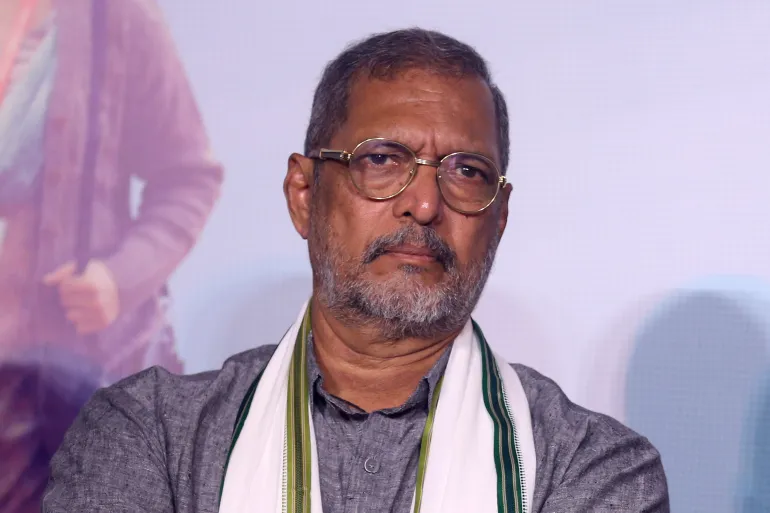
Legendary Indian actor Nana Patekar, celebrated for his powerful performances and distinctive voice, has died at the age of 75 in Goa.
Veteran Indian actor and filmmaker Nana Patekar has died at the age of 75 after being found unconscious at his home in Goa in the early hours of Thursday.
Patekar, one of the most recognizable and respected faces in Indian cinema, was reportedly rushed to hospital after being discovered unconscious. Despite efforts by medical personnel to revive him, he could not be saved.
Dr Shekhar Salkar of Manipal Hospital in Goa told ANI news agency that doctors performed continuous cardiopulmonary resuscitation (CPR) for approximately 45 minutes, but Patekar could not be revived.
His death has triggered an outpouring of tributes from across India’s film industry and political establishment.
More Read

Prime Minister Narendra Modi paid tribute to the veteran actor, describing him as a performer whose memorable characters would remain in the minds of generations.
Modi said Patekar’s death had created “a vast void in the artistic world”, while praising his versatility and outspoken personality.
Bollywood actor Akshay Kumar, who shared the screen with Patekar in the popular comedy Welcome, also mourned the veteran star, remembering him for his commanding voice, intensity and honesty as a performer.
More Read

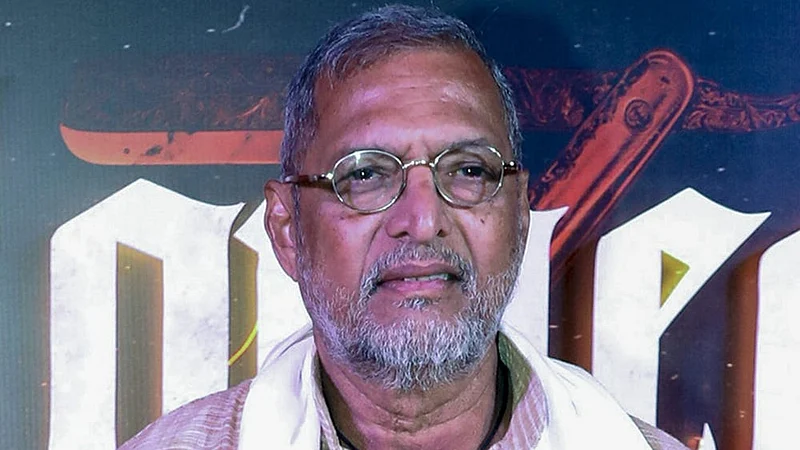
A Career Built on Intensity
Born in Maharashtra, Patekar began his film career with Gaman in 1978. He subsequently appeared in several films in smaller roles before gaining widespread recognition for his performance in the 1989 crime drama Parinda.
His portrayal of the gangster Anna established him as one of India’s most formidable character actors and earned him his first National Film Award as well as a Filmfare Award.
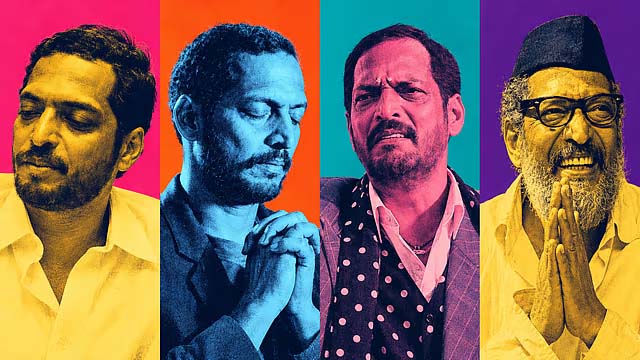
Throughout the 1990s, Patekar demonstrated an extraordinary ability to move between contrasting characters, playing gangsters, policemen, soldiers, politicians and ordinary men with equal intensity.
His memorable performances included roles in Prahaar, Tirangaa, Krantiveer, Khamoshi: The Musical, Agni Sakshi and later Rajneeti.
His performance in Prahaar, a film he also directed, earned widespread praise, while his role in Krantiveer further cemented his reputation as one of India’s most powerful screen performers.
More Read

In Khamoshi, Patekar surprised audiences by delivering a restrained performance as a man who could neither hear nor speak, demonstrating a range that went far beyond the loud and volatile characters for which he was initially known.
His portrayal of a shrewd politician in Prakash Jha’s 2010 political drama Rajneeti introduced another dimension to his acting career.
Three National Film Awards
Patekar’s contribution to Indian cinema was recognised with three National Film Awards for his performances in Parinda, Krantiveer and Agni Sakshi.
His distinctive raspy voice and intense dialogue delivery became trademarks of his performances, with lines from his films becoming widely quoted across India.
Film trade analyst Komal Nahta described Patekar as an actor whose distinctive approach to his characters made him highly sought after by directors despite his outspoken personality.
A Major Figure in Theatre
Patekar’s contribution to the performing arts extended beyond Bollywood.
Before establishing himself in films, he was deeply involved in Marathi and Hindi theatre, where he developed the gritty acting style and powerful dialogue delivery that later became synonymous with his screen performances.
Among his notable theatre works were Purush and Hamidabai Chi Kothi.
Even after achieving major success in cinema, Patekar maintained a connection with theatre throughout his career.
Activism and Farmers’ Welfare
Away from the screen, Patekar was also known for his outspoken views on social and political issues.
He frequently criticised government policies and publicly spoke about issues affecting ordinary Indians, particularly farmers.
In 2015, Patekar and fellow actor Makarand Anaspure established the Naam Foundation, an organisation involved in supporting farmers and promoting water conservation initiatives in Maharashtra.
His activism further strengthened his public image as a celebrity willing to speak openly on issues affecting society.
A Career Marked by Controversy
Patekar’s long career was not without controversy.
In 2018, actor Tanushree Dutta accused him of sexual harassment over an alleged incident on a film set a decade earlier. Patekar denied the allegations.
The controversy became part of the wider wave of India’s #MeToo movement, which brought renewed attention to allegations of sexual harassment within the country’s entertainment industry.
In 2019, police reportedly closed the case after stating that they had not found sufficient evidence to substantiate the allegations.
Tributes Pour In
Following news of his death, tributes began pouring in from colleagues, politicians, fans and members of the wider Indian entertainment industry.
Patekar leaves behind a career spanning nearly five decades and a body of work that crossed cinema, theatre, directing, writing and social activism.
His ability to portray characters ranging from feared criminals and military officers to politicians and vulnerable ordinary people made him one of the most versatile performers of his generation.
His funeral is expected to take place later Thursday with full state honours at his farmhouse in Pune, according to the Maharashtra government.
For millions of Indian cinema fans, Nana Patekar’s death marks the end of an era for an actor whose unmistakable voice, intensity and unforgettable performances left a lasting imprint on Indian cinema.