
Nigerian airlines are facing renewed pressure on their operating costs as aviation fuel prices rise amid disruptions to global oil supplies linked to the escalating conflict in the Middle East.
The latest increase in the price of Jet A1 is adding to the financial strain already confronting domestic carriers, which have been dealing with high operating costs, aviation charges and narrow profit margins.
A survey of airports across Nigeria by Daily Sun found significant variations in the price of aviation fuel. In Lagos, Jet A1 was reported at between ₦1,719 and ₦2,100 per litre, while prices in Abuja ranged from ₦1,190 to ₦2,150 depending on the marketer.
In Kano, prices ranged from ₦1,794 to ₦2,047 per litre, while Port Harcourt recorded prices between ₦1,764 and ₦2,109.
More Read

Jet A1 was reported at about ₦2,047 per litre in Anambra, ₦1,990 in Benin and Enugu, ₦2,120 in Ilorin and ₦2,138 in Sokoto.
The latest pressure follows an earlier aviation-fuel crisis in April, when airline operators warned that rapidly rising Jet A1 prices could make continued flight operations unsustainable. The Airline Operators of Nigeria (AON) had said fuel prices had risen dramatically from their February level and warned of the possibility of a nationwide shutdown.
The April crisis prompted discussions involving airlines, fuel marketers and aviation regulators. The Federal Government subsequently announced measures intended to ease some of the financial pressure on domestic carriers, including a reduction in debts owed by airlines to aviation agencies.

The industry is now confronting another difficult external environment.
International oil prices surged earlier this week after attacks disrupted Saudi Arabia’s East-West oil pipeline and crude-loading operations at the Yanbu export hub. Brent crude climbed to about $108.75 a barrel on September 15, according to Reuters.
Oil prices subsequently eased on September 18 as concerns over the duration of the Saudi supply disruption moderated. Brent fell about 2 per cent to $102.53 per barrel, although prices remained above $100 amid continuing geopolitical risks.
For Nigerian airlines, movements in aviation-fuel prices remain particularly important because fuel represents one of the largest components of airline operating expenditure.
AON Seeks Government Intervention
The Airline Operators of Nigeria has repeatedly called for reforms to the cost structure of the country’s aviation industry.
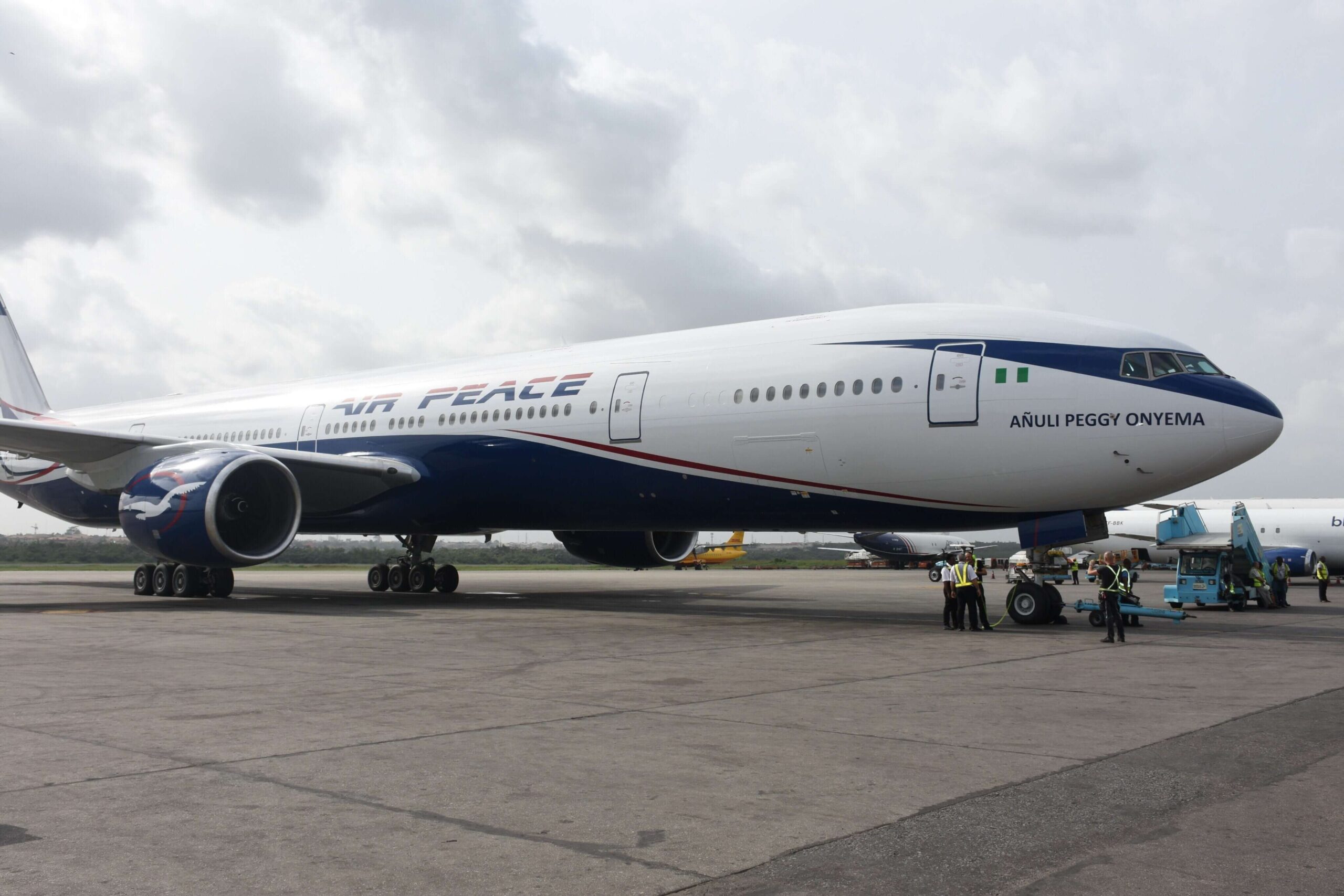
Speaking at the 30th annual conference of the League of Airport and Aviation Correspondents (LAAC) in Lagos, Air Peace Chief Executive Officer and AON Vice President Allen Onyema argued that the industry’s financial difficulties could be addressed through government intervention and a review of aviation taxes and charges.
More Read

The AON has also called for a review of the numerous charges imposed on airlines. Channels Television reported on September 10 that the association was seeking a review of 54 aviation charges, which it said were placing significant pressure on the profitability and competitiveness of Nigerian carriers.
Onyema said domestic airlines wanted an opportunity to present their concerns directly to President Bola Tinubu, arguing that a more balanced system of taxes and charges could help protect airlines, aviation agencies and passengers.
He also recalled the industry’s earlier engagement with the Nigeria Customs Service over the proposed 4 per cent Free-On-Board customs charge, saying the Presidency intervened after the potential impact on airlines was presented.
Industry Under Pressure
The latest Jet A1 increase comes at a sensitive time for Nigeria’s aviation industry.
Earlier in 2026, airlines warned that soaring aviation-fuel prices were threatening their ability to continue operations. Industry reports subsequently indicated that some operators were increasingly relying on bank financing to maintain daily operations amid the cost pressures.

The latest global oil-market disruption could therefore place additional pressure on ticket prices, airline profitability and the financial sustainability of domestic carriers if elevated fuel costs persist.
For passengers, the immediate concern is whether airlines will be able to absorb the additional costs or eventually pass part of the increase on to travellers through higher airfares.
With international oil prices still above $100 a barrel and geopolitical tensions continuing to affect global energy supplies, Nigerian airlines are once again facing a difficult operating environment.