JUBA, South Sudan — The United Nations has deferred plans to close its peacekeeping base in Abiemnhom, Unity State, after renewed concerns over civilian safety following a deadly attack that forced thousands of residents to seek refuge with UN peacekeepers.
The decision came after the Head of the United Nations Mission in South Sudan (UNMISS), Anita Kiki Gbeho, visited Unity State and witnessed first-hand the security and humanitarian challenges confronting communities in the region.
On March 1, 2026, residents of the remote Abiemnhom area were awakened by heavy gunfire when the town came under attack.
Thousands of people fled to the UNMISS base, where Mongolian peacekeepers opened the gates and provided protection and medical assistance to dozens of wounded civilians.
More Read

Months after the attack, many families are still struggling to rebuild their lives after homes and crops were reportedly burned and looted. Residents also remain concerned about the possibility of renewed violence.
UN Defers Closure of Abiemnhom Base
Amid the continuing insecurity, UNMISS has postponed plans to close its base in Abiemnhom, despite financial pressures facing the mission.
The mission said it would continue efforts to protect civilians through regular patrols, engagement with community leaders and support for reconciliation initiatives aimed at addressing communal violence.

Gbeho said residents had expressed concern that the departure of UN peacekeepers would leave them vulnerable.
“I assured them that the UN has a mandate to protect civilians, so we would stay with the people of Abiemnhom,” she said.
She added that the mission would also encourage and support local communities in finding peaceful solutions to the communal violence affecting the area.
Flooding Adds to Security Concerns
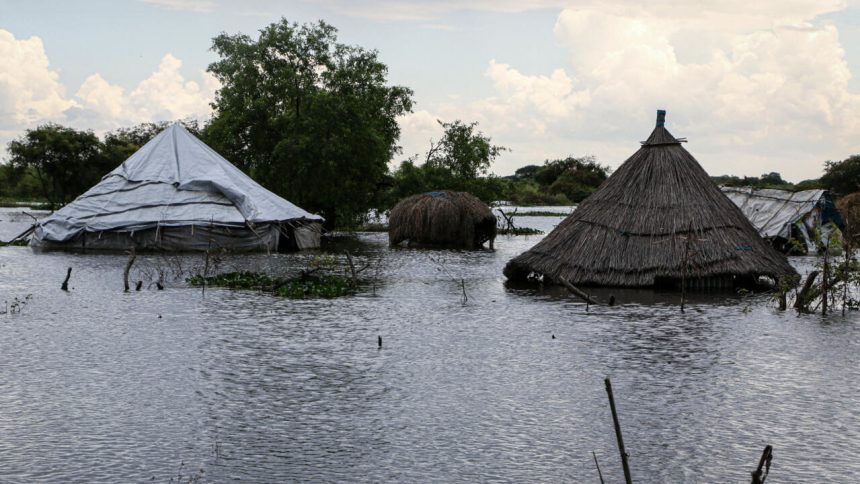
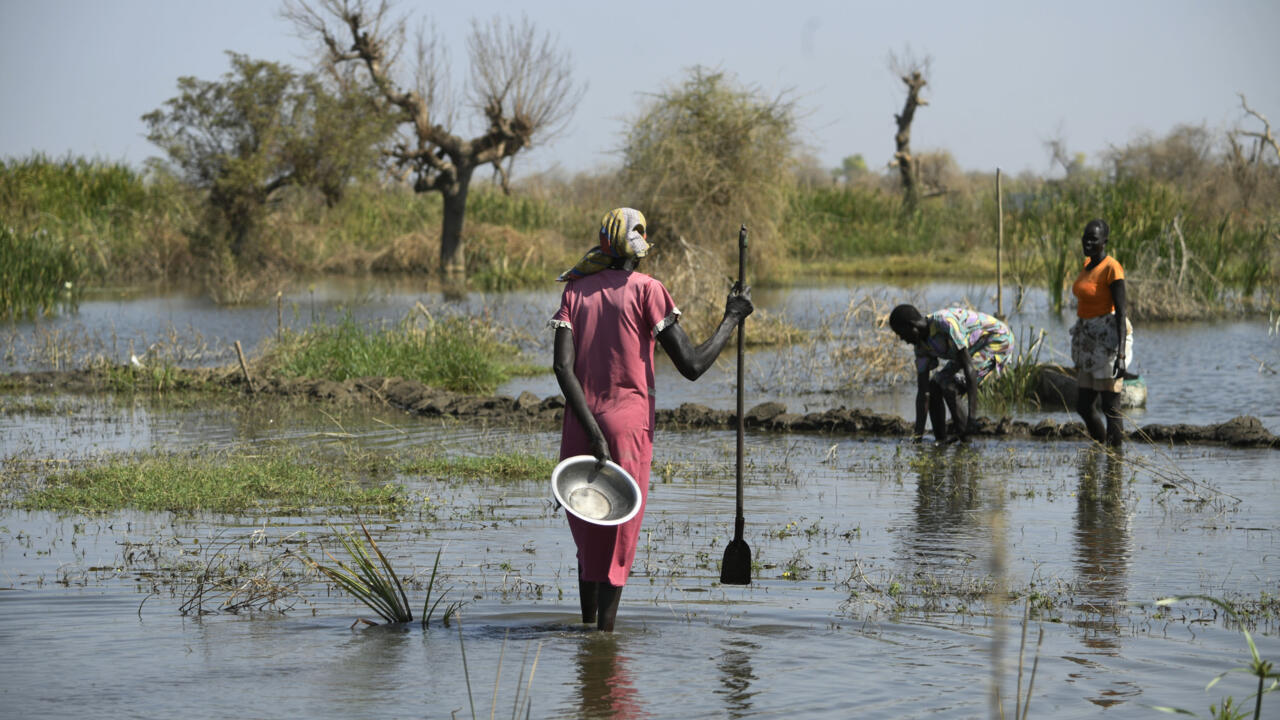
Beyond the threat of violence, Unity State faces another major humanitarian challenge — flooding.
During her visit, Gbeho met with local authorities, community representatives and UN peacekeepers to assess the situation and determine what additional assistance may be required.
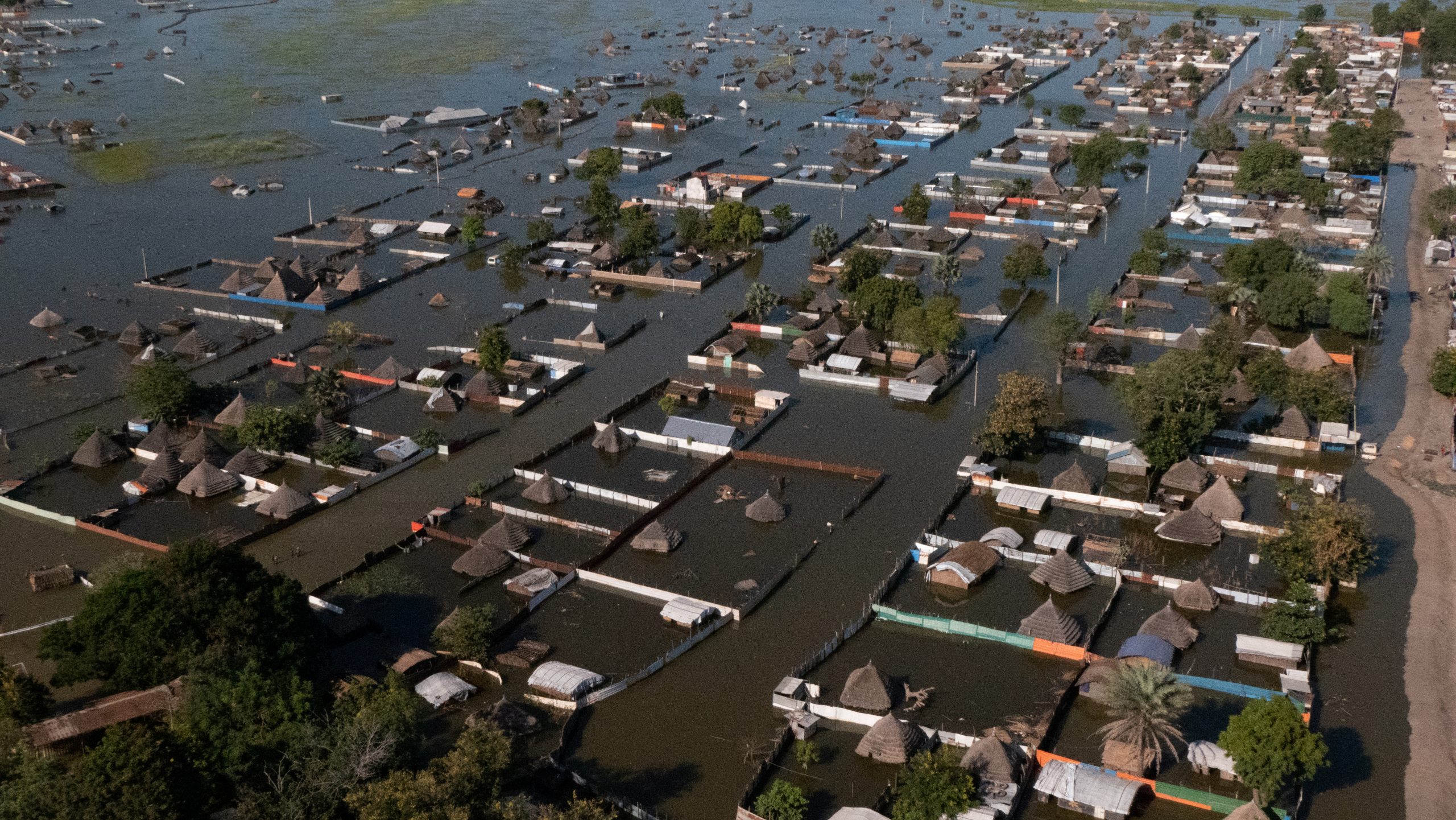
The region is already dealing with severe flooding that began in 2019, leaving Bentiu surrounded by extensive areas of floodwater.
Seasonal rains have continued to push water levels higher, raising concerns that further flooding could overwhelm existing protective infrastructure.
More Read

The potential impact is significant, as a fresh surge could place additional pressure on the extensive network of dykes constructed and maintained by UNMISS engineers and humanitarian partners.
The structures help protect hundreds of thousands of displaced people as well as members of the host community.
Gbeho said Unity State was facing multiple interconnected challenges, including insecurity, communal violence and the threat of flooding.
Communities Call for Stronger Government Action
Residents say the South Sudanese government needs to take a leading role in strengthening and repairing the dykes, improving drainage systems and preparing evacuation routes ahead of any major flooding.
Nyier Gatchang Pouch, Community High Committee Chairperson in the Bentiu displacement camp, said local communities lacked the resources required to tackle the rising water.
“We cannot access or provide a mechanism to block the flooding unless there is intervention from UNMISS or the Government,” Pouch said.
He added that communities did not have the capacity to construct dykes or independently respond to water levels that had risen beyond their ability to manage.
UN Says Peace Is the Foundation
Despite the overlapping security and humanitarian challenges, UNMISS says it will continue working with communities to prepare for emerging threats, strengthen civilian protection and support peacebuilding efforts.
For Gbeho, addressing the region’s problems ultimately depends on achieving lasting peace.
“When we talk about overcoming the multitude of concerns, my answer is that the foundation for this lies in peace.”
The UN’s continued presence in Abiemnhom is therefore expected to provide both immediate civilian protection and support for local efforts aimed at preventing further conflict, while authorities and humanitarian organisations prepare for the possibility of another severe flooding season.