Mali has held a solemn state funeral for former defence minister General Sadio Camara, a powerful figure in the country’s military government whose death in a recent wave of coordinated attacks has raised fresh concerns about national security and political stability.
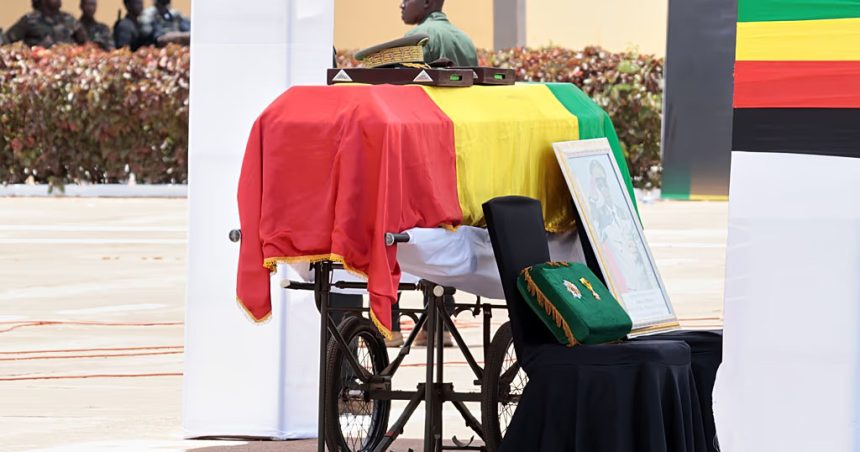
The funeral, broadcast on state television on Thursday, followed two days of national mourning and drew senior figures from the ruling junta, including transitional leader Assimi Goïta. Draped in the green, yellow and red of the Malian flag, Camara’s coffin lay before mourners as large portraits of the late general were displayed in tribute.
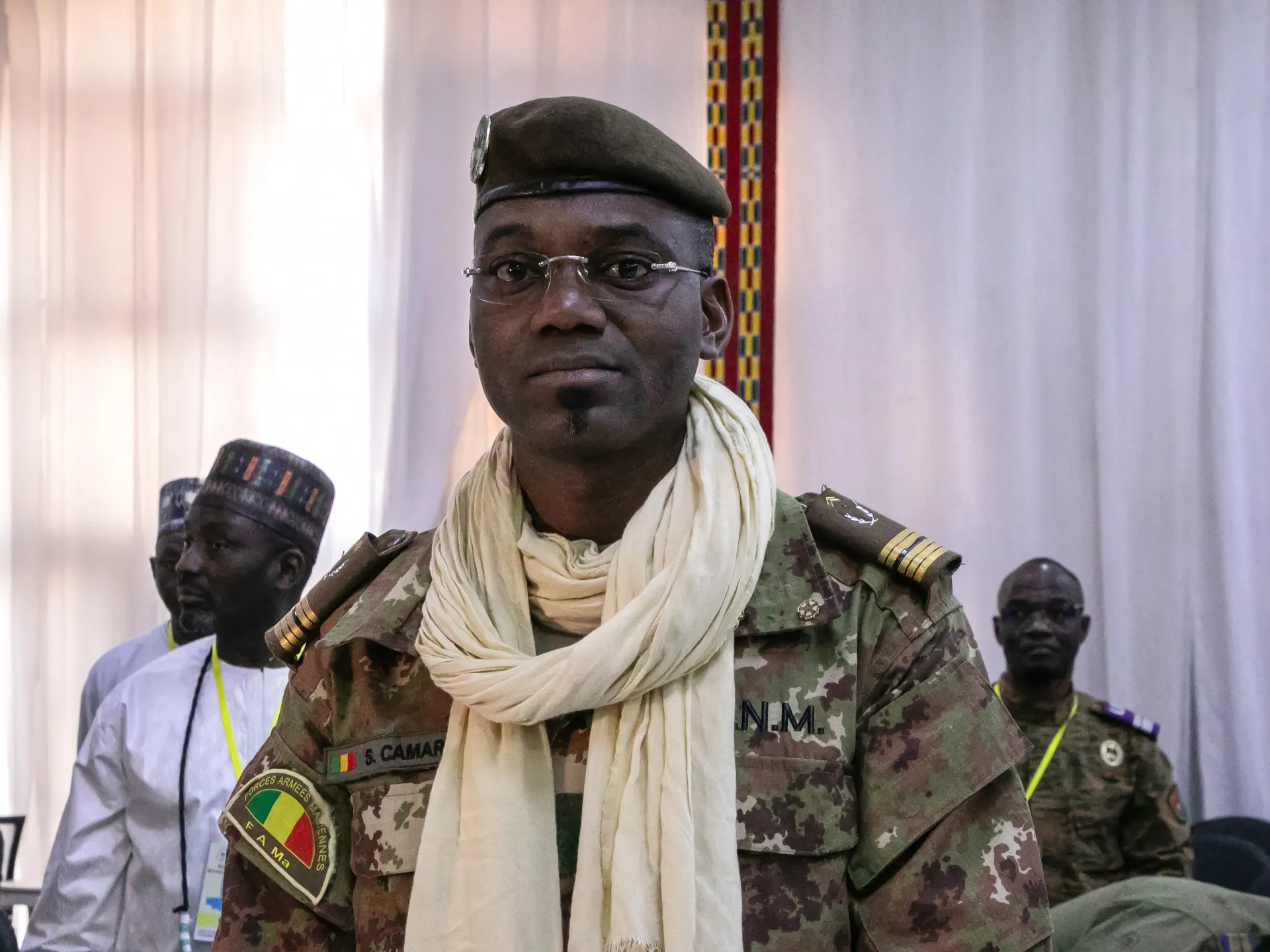
Camara was killed on Saturday in a car bomb explosion outside his home in Kati, a garrison town near the capital, Bamako, where he was born in 1979. His death came amid a series of coordinated assaults by jihadist militants and their Tuareg separatist allies targeting military positions across the country. The attacks, described as the most extensive in over a decade, dealt a significant blow to Mali’s armed forces and their foreign partners.
A central figure in Mali’s post-coup leadership, Camara was widely regarded as the architect of the country’s shift in security alliances. Following the military coups of 2020 and 2021, he played a leading role in forging closer ties with Russia, which has since become Mali’s principal security partner. This pivot saw the expulsion of French troops and the withdrawal of United Nations peacekeepers, marking a decisive break from Western-backed security arrangements.
More Read

Camara first came to public attention in August 2020 when, as a colonel, he appeared on national television alongside fellow officers announcing the overthrow of President Ibrahim Boubacar Keïta. The group justified the coup by accusing the former administration of failing to contain escalating militant violence and relying too heavily on foreign support.
Promising to restore stability, the junta instead faced a deepening insurgency, particularly in the north and central regions where jihadist groups linked to Al-Qaeda and Islamic State remain active. Camara, who had prior experience serving in northern Mali during earlier rebellions, was seen as a key strategist in the government’s military response.
He served as defence minister under both successive military administrations—initially after the 2020 coup and again following a second power shift in May 2021 that brought Goïta to the presidency.
More Read

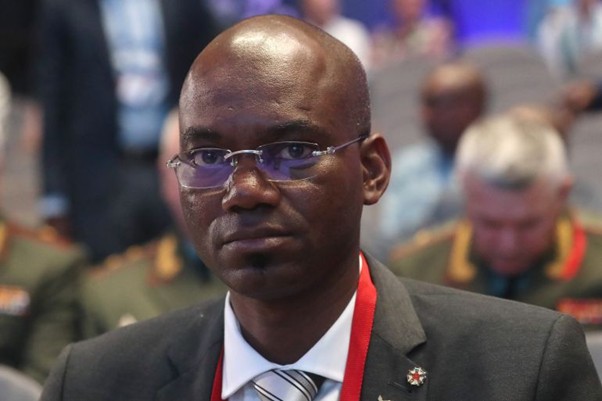
Analysts say Camara’s death could have far-reaching consequences. Beyond the immediate loss of a senior military leader, it risks exposing divisions within the junta and raises questions about the effectiveness of Mali’s current security strategy, including its reliance on Russian support.
The scale and coordination of the recent attacks have also underscored the persistent threat posed by armed groups, despite years of military operations and shifting alliances.
As Mali buries one of its most influential generals, the country faces renewed uncertainty over its security direction and the future of a government that came to power promising peace but continues to grapple with escalating violence.