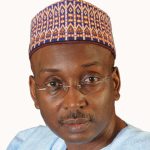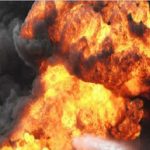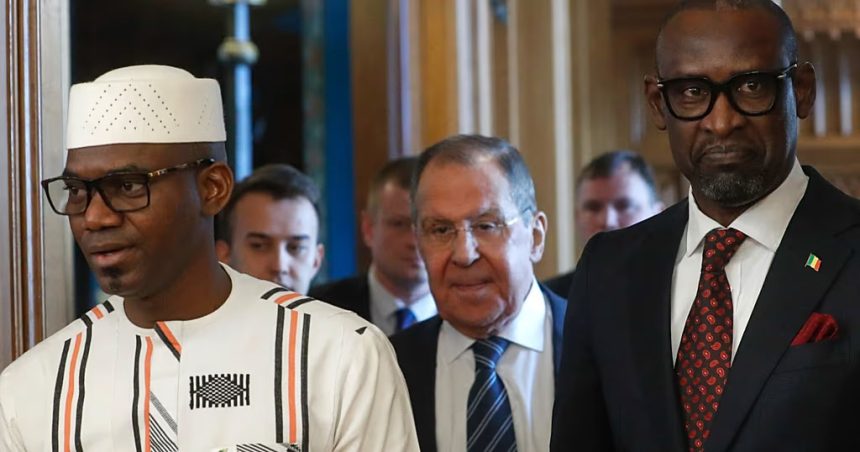
Mali has been thrown into fresh turmoil following the death of its Defence Minister, Gen. Sadio Camara, in a series of coordinated attacks by jihadist fighters and separatist rebels that struck multiple locations across the country.
Authorities confirmed on Sunday that Camara died from injuries sustained during a fierce assault on his residence in the capital, Bamako. According to a government statement, the minister engaged the attackers in a gun battle, reportedly neutralising some of them before he was wounded. He was later taken to hospital, where he succumbed to his injuries.
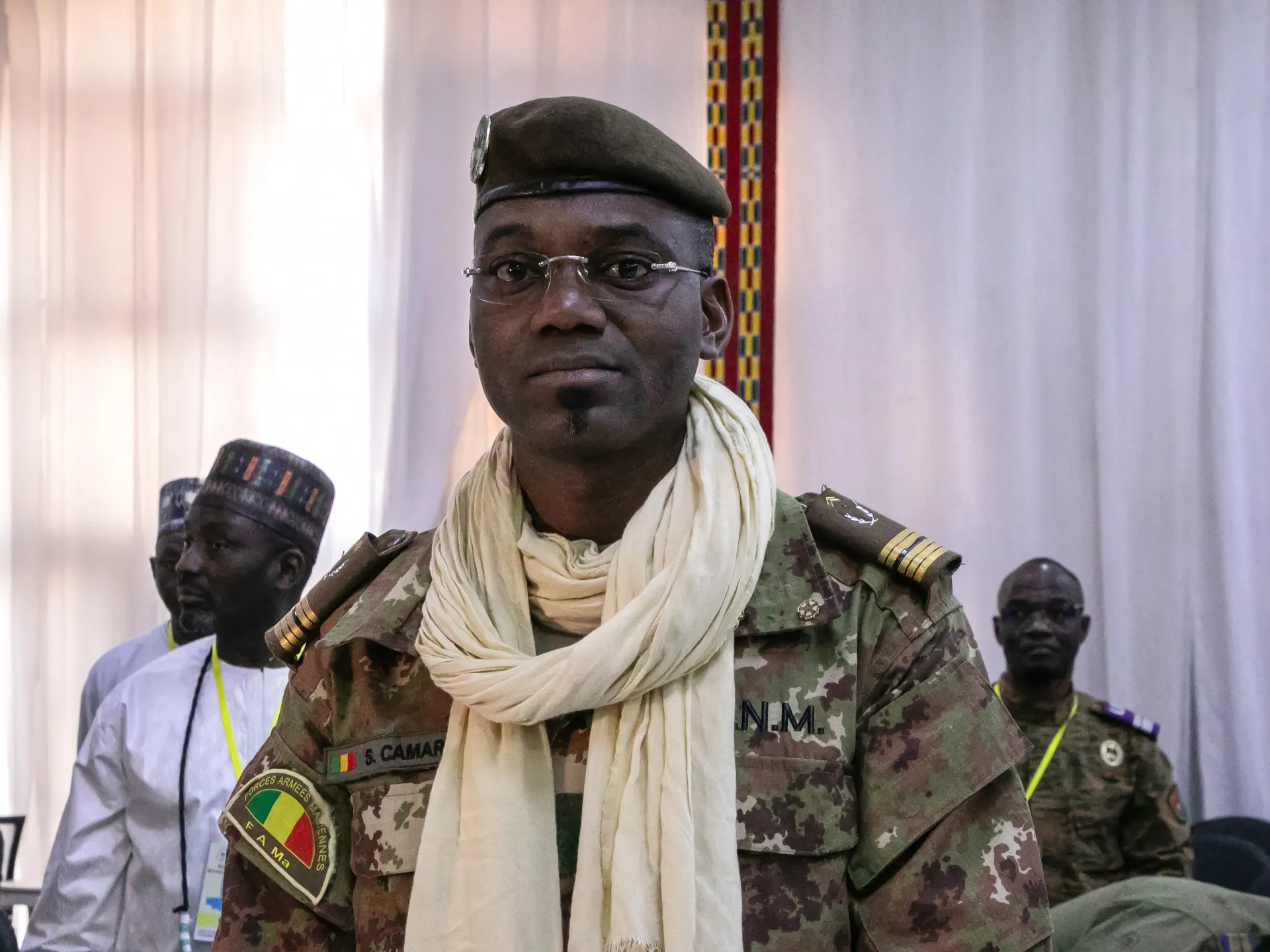
The Malian government described Saturday’s violence as one of the most significant and widespread attacks in recent years, targeting Bamako as well as several cities and military bases. State television announced the minister’s death, while officials expressed condolences to his family and vowed to continue the fight against insurgent groups.
The attacks mark a dangerous escalation in Mali’s long-running conflict, with separatist rebels and militants linked to al-Qaeda and the Islamic State reportedly joining forces for the first time. The Tuareg-led Azawad Liberation Front (FLA) confirmed it coordinated operations with the al-Qaeda-affiliated Jama’at Nusrat al-Islam wal-Muslimin (JNIM), describing the campaign as a joint effort against the ruling military junta.
More Read

In the north, separatist forces claimed to have seized the strategic city of Kidal, declaring it “free” after Malian troops and Russian-backed forces withdrew. Military officials later confirmed the army had repositioned south of the քաղաք, raising questions about control of the region.
Kidal has long been a symbolic stronghold for separatists seeking independence in northern Mali. Its recapture by government forces and Russian mercenaries in 2023 had been hailed as a major victory for the junta, making its apparent loss a significant setback.
The coordinated attacks also pose a challenge to Russia’s growing military presence in Mali, which has supported the junta since it distanced itself from Western allies following successive coups. Analysts say the scale and coordination of the assaults highlight serious intelligence and security gaps.
More Read

“This is the first time we are seeing such a level of coordination between separatists and jihadist groups across multiple regions simultaneously,” said security analyst Wassim Nasr, noting the broader political implications of their alliance.
In response to the attacks, authorities imposed a three-day overnight curfew in Bamako. While the government reported at least 16 people wounded, including civilians and military personnel, it has yet to release an official death toll.
The violence has drawn condemnation from the Economic Community of West African States (ECOWAS), which called for regional unity to combat the growing threat of extremism.
Mali, along with neighbouring Niger and Burkina Faso, has seen a sharp deterioration in security in recent years despite increased reliance on Russian military support. Militant attacks have surged across the Sahel, further destabilising the region and raising concerns about the effectiveness of current counterinsurgency strategies.
Although experts believe insurgent groups are unlikely to capture the capital in the near future, the latest attacks represent a significant blow to the Malian government and its allies, underscoring the fragile security situation in the country.