Oyo Governor Urges Christians to Embrace Politics, Champion National Transformation
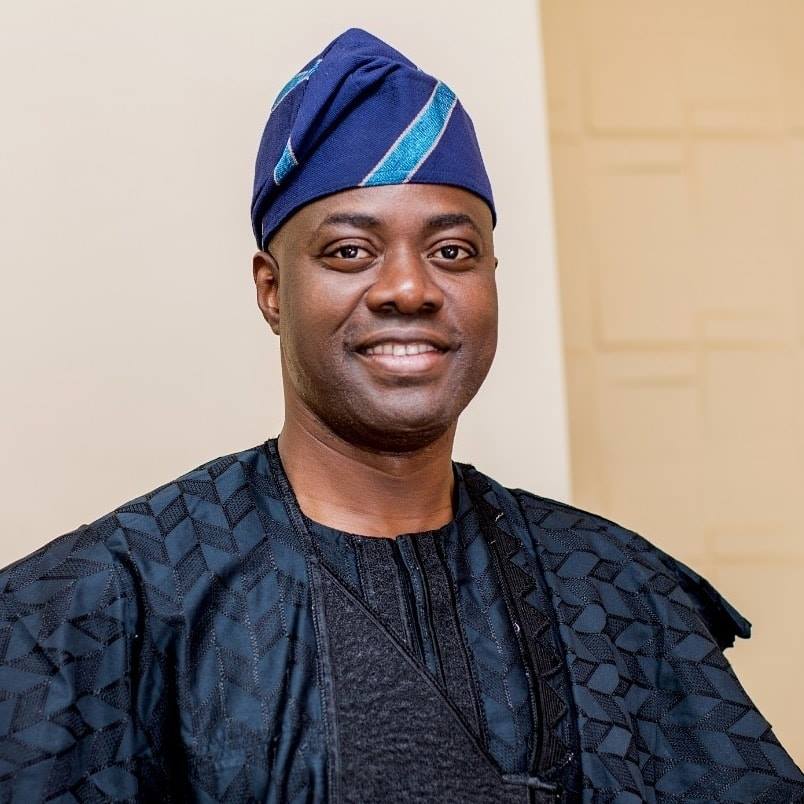
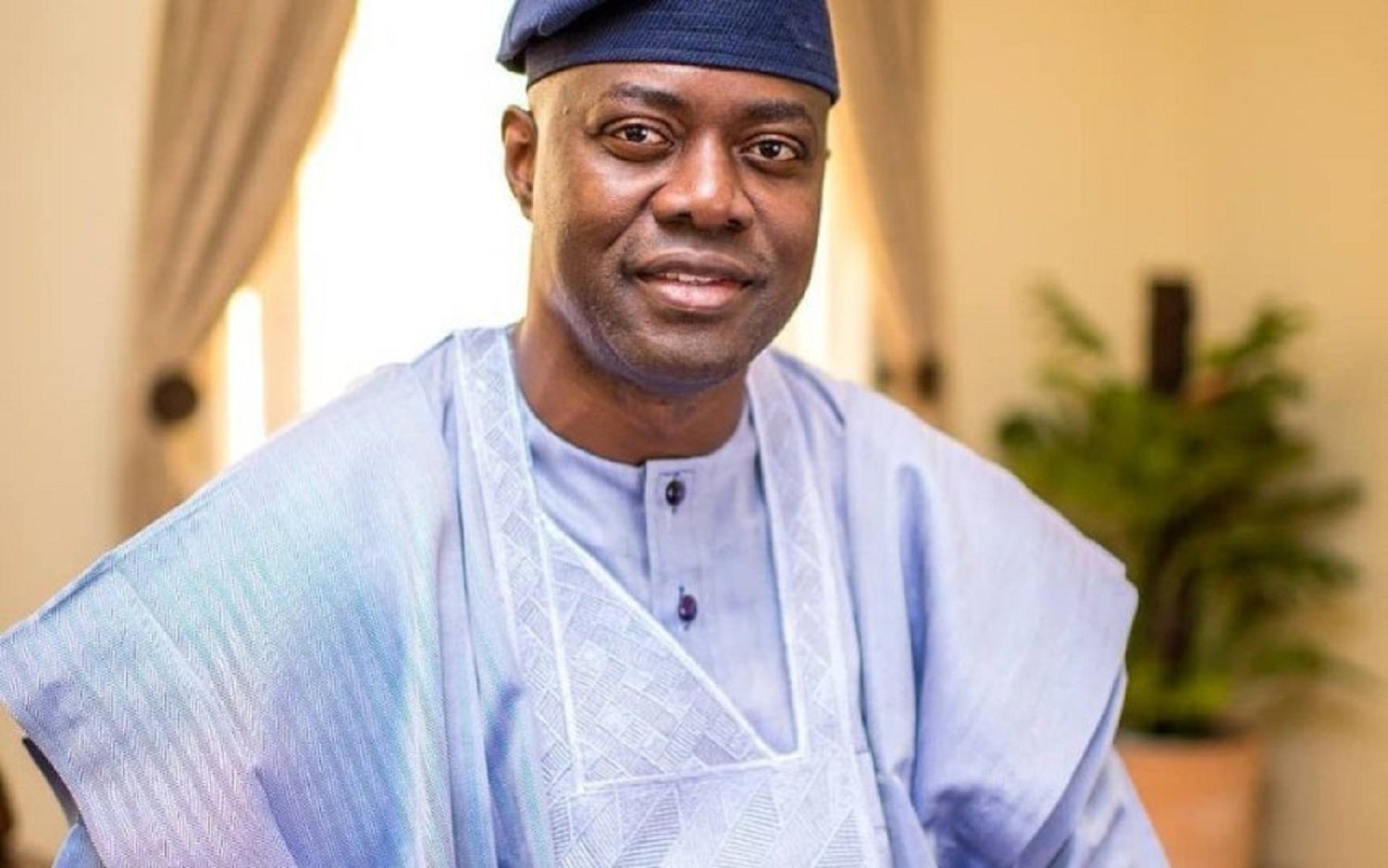
Oyo State Governor Seyi Makinde has identified grinding poverty as Nigeria’s most pressing challenge, urging Christians across the country to actively participate in politics and contribute to the nation’s transformation.
Makinde stressed that religious differences should not prevent Nigerians from working together to address the economic and social challenges confronting the country. He argued that Christians could not afford to remain on the sidelines of political affairs because of the perception that politics is dirty or the belief that they should not serve under leaders of different religious persuasions.
The governor made the remarks in Abuja on Saturday while speaking at the Christian Association of Nigeria’s (CAN) 50th anniversary celebration, where, according to the supplied report, he received a Christian Icon Award.
He called on Christians to reconsider their attitude towards political participation, noting that meaningful national development requires the involvement of people from different religious backgrounds.
More Read

Makinde observed that some Christians avoid politics because they consider it morally questionable or are reluctant to work with people whose religious beliefs differ from theirs. He maintained that such reservations should not prevent them from contributing to the country’s development.
“It is typical for us to say, ‘Politics is dirty. I don’t want to be yoked with unbelievers’, and things like that. But we must look at biblical examples,” he said.
More Read
Makinde Draws Lessons from Biblical Figures
To reinforce his argument, the governor cited the biblical account of David, who served in King Saul’s palace despite having been anointed to become king.
According to Makinde, the example demonstrates the importance of accepting difficult assignments and working within challenging circumstances in pursuit of a greater purpose.
He suggested that Christians who believe they cannot serve under leaders of different religious persuasions should reflect on such biblical examples and reconsider their approach to public service.
The governor emphasised that active participation in politics would enable Christians to contribute their ideas, values and expertise to governance, rather than leaving decisions about the country’s future exclusively to others.
He urged Christian leaders, professionals, young people and other members of the faith community to become more involved in shaping policies and supporting efforts aimed at addressing Nigeria’s challenges.
“I will use this opportunity to encourage our Christian brothers and sisters across the country to rise up and participate in the agenda to transform Nigeria and reset our country,” Makinde said.
More Read
Poverty Takes Centre Stage in Makinde’s Message
Beyond religious participation in politics, Makinde identified widespread poverty as a fundamental problem requiring urgent national attention.
He maintained that the country’s challenges should not be viewed primarily through a religious lens, arguing that economic hardship affects Nigerians across religious and social boundaries.
“Our problem is not primarily a religious one. Our problem in this country is poverty — grinding poverty,” the governor said.
“At this stage, we must focus on addressing the issues currently confronting us. Those are the challenges we need to tackle.”
His remarks placed economic welfare at the centre of his message, highlighting the need for national attention to the difficulties faced by ordinary Nigerians.
Makinde’s comments also underscored the importance of moving beyond religious differences to focus on issues such as livelihoods, economic opportunities and the broader conditions affecting citizens.
Call for Collective Responsibility
The governor’s appeal comes as discussions about governance, economic hardship and national cohesion remain prominent in Nigeria’s public discourse ahead of the 2027 general elections.
As the presidential candidate of the Allied Peoples Movement (APM), Makinde has also spoken publicly about his ambition to reset Nigeria and address the challenges facing the country.
His message at the CAN anniversary celebration was that national transformation requires collective responsibility, with citizens willing to participate in politics and contribute to governance regardless of religious differences.
By invoking biblical examples, Makinde sought to challenge the perception that religious conviction and political engagement must exist in opposition to each other.
He maintained that Nigerians should direct greater attention towards the practical challenges confronting the country, particularly poverty, rather than allowing religious differences to become barriers to cooperation.
His call ultimately centred on greater civic participation and a shared commitment to tackling the issues affecting the nation, with poverty identified as a major challenge demanding urgent attention.