The Federal Government has proposed a ₦1,350-per-litre ceiling on the ex-gantry cost of petrol as part of measures aimed at reducing sharp fluctuations in pump prices caused by changes in global crude oil prices and foreign exchange rates.
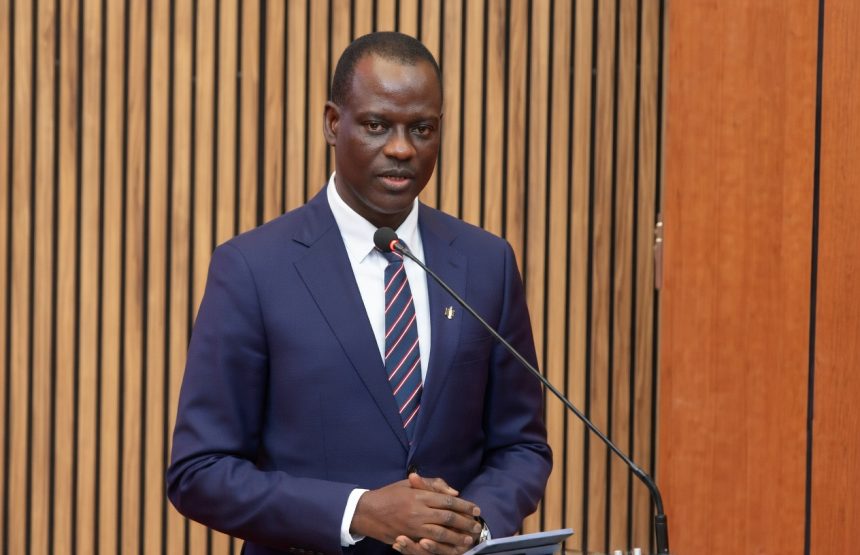
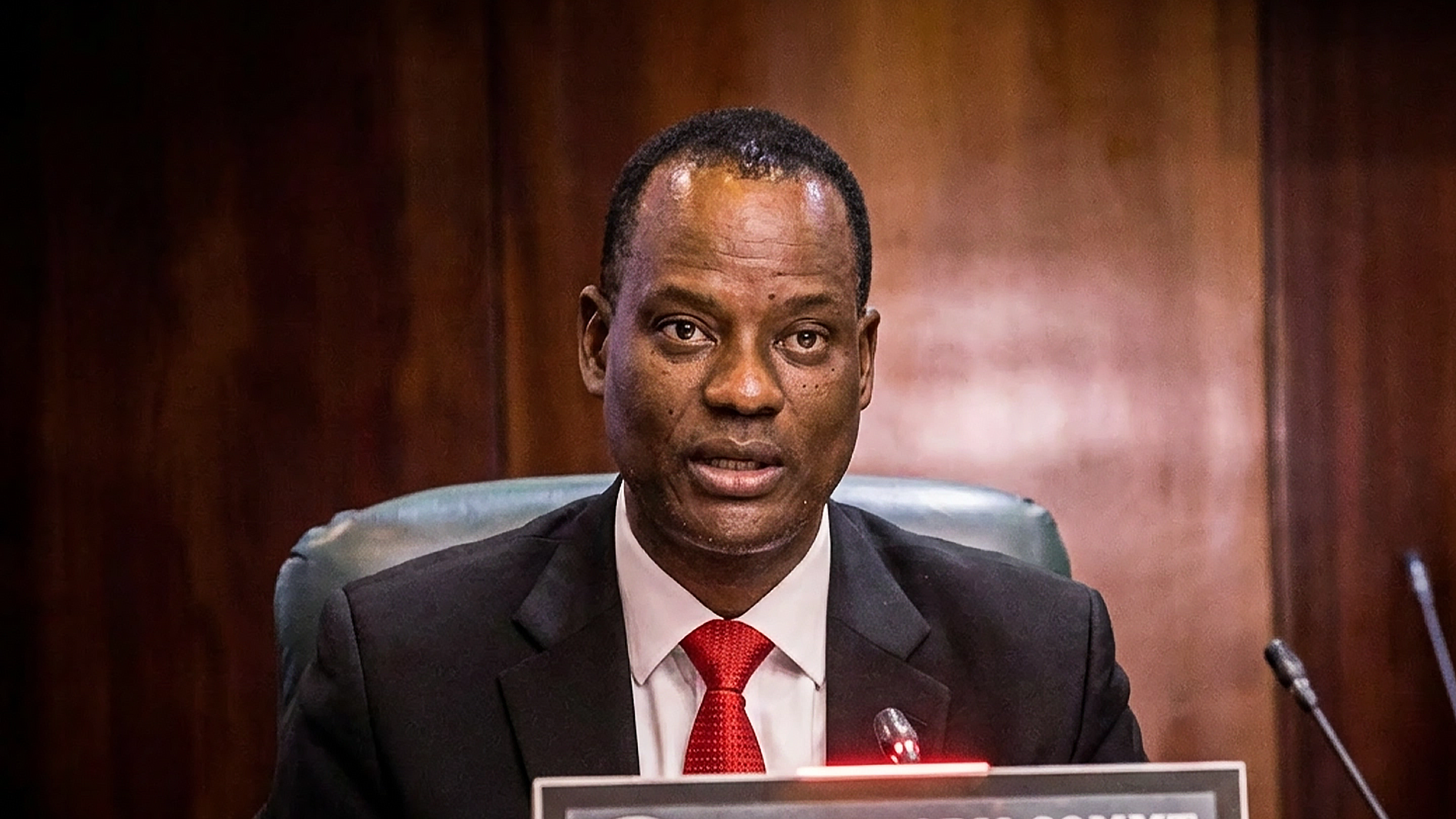
Minister of Finance and Coordinating Minister of the Economy, Taiwo Oyedele, disclosed this on Thursday in Abuja while addressing journalists on fuel prices, subsidies and measures being considered by the government.
Oyedele said the proposed price modulation mechanism would ensure that petrol pump prices do not immediately respond to every movement in international crude prices or the exchange rate.
According to the minister, the government is negotiating with refiners and importers to establish an ex-gantry ceiling of ₦1,350 per litre. Where the actual cost exceeds the ceiling, refiners and importers would absorb the difference and subsequently recover it when market conditions become more favorable.
More Read

He stressed that the arrangement would not amount to a return of fuel subsidy or conventional price control.
“We are introducing price modulation. Pump prices should not have to follow every swing in global crude or exchange rate. The government is negotiating a ceiling of N1,350 a litre on the ex-gantry cost of petrol to keep pump prices stable,” Oyedele said.
He explained that the objective was to smooth out price movements and protect consumers from sudden increases.
“The reason is simple: N1,400 a litre today and tomorrow is better than N1,500 today and N1,300 tomorrow, because volatility itself adds to uncertainty and fuels go up sharply; they rarely come down as fast,” he said.
The minister added that the proposed ceiling would be reviewed monthly, with adjustments made when necessary and the figures published to promote transparency.
More Read

30-Day NNPC Petrol Discount
Oyedele also announced a 30-day discount on petrol sold by NNPC Limited, with public transport operators to receive priority under the initiative.
He maintained that the measure should not be regarded as a subsidy, saying the government was effectively asking NNPC Limited to sell the product at cost.
“We are offering a discount on petrol dispensed by NNPC Limited for the next 30 days in the first instance with priority for public transporters nationwide. It’s not a subsidy; the government is saying we sell to you at a cost,” he said.
The announcement comes after NNPC Limited introduced a ₦66-per-litre petrol discount for customers using the NNPC Fuel App at its stations nationwide.
Government Targets Domestic Refining and Lower Logistics Costs
The minister said the Federal Government was also working on forward crude sales to domestic refiners, a strategy expected to support local refining and reduce the impact of international crude price movements on the domestic petrol market.
He added that increasing crude oil production would also help provide greater stability in the downstream petroleum sector.
Oyedele further disclosed that the government was working with state governments under the new tax laws to reduce taxes and levies that contribute to higher fuel and logistics costs.
More Read

“We’re working with the states across the federation under the new tax laws. We are reigning in the taxes and levies that inflate fuel and logistics costs,” he said.
Other measures outlined by the minister include increased funding for cash transfers to vulnerable households, subsidised credit for small businesses and consumers, and collaboration with state governments to accelerate the rollout of compressed natural gas (CNG).

Fuel Subsidy Returns to 2027 Political Debate
The proposed measures come amid renewed political debate over the future of petrol subsidies ahead of Nigeria’s 2027 general elections.
Presidential candidates Atiku Abubakar of the African Democratic Congress (ADC) and Peter Obi of the Nigeria Democratic Congress (NDC) have reportedly expressed support for restoring petrol subsidies if elected.
The latest government proposal, however, is being presented by Oyedele as a price-smoothing mechanism rather than a subsidy, with the government seeking to limit sudden changes in petrol prices while allowing market conditions to determine longer-term costs.