Workers demand implementation of agreements and relief from rising living costs as unions warn of possible disruption to healthcare services
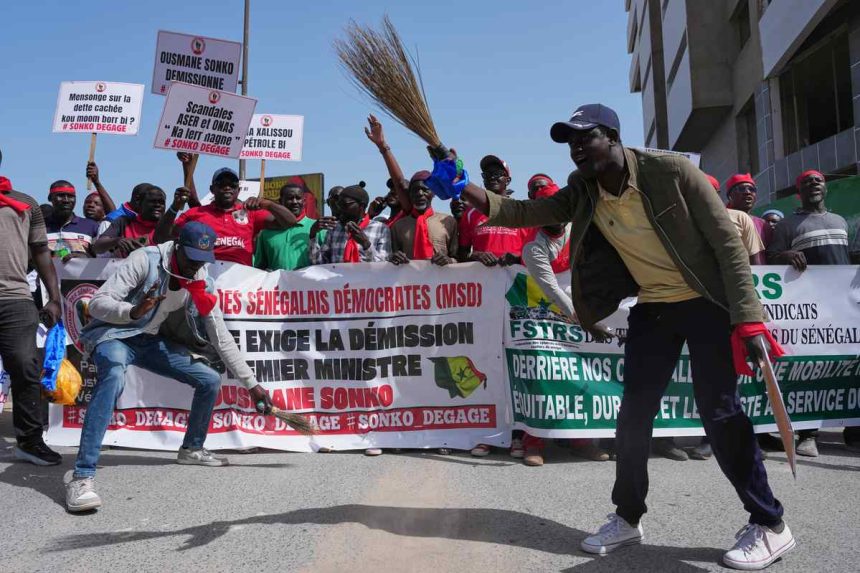
Around 150 people have taken to the streets of Dakar, Senegal, in a demonstration organized by trade union federations to demand that the authorities honour previously reached agreements and address workers’ financial concerns.
The protest comes amid growing frustration over the rising cost of living and declining purchasing power, with trade unions preparing to launch a 72-hour general strike beginning Wednesday.
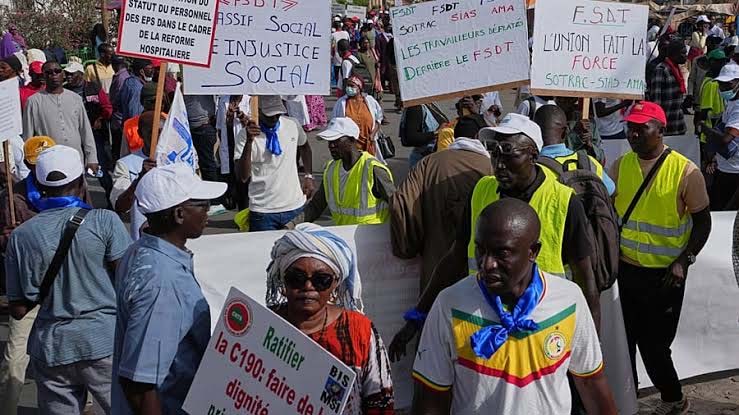
The unions are calling on the authorities to fulfil outstanding commitments and respond to workers’ concerns over their economic conditions. The planned industrial action is expected to increase pressure on the government as workers demand concrete measures to address their grievances.
More Read

Sara Konaré, secretary general of Senegal’s National Union of Petroleum and Gas Workers, said the turnout at the demonstration reflected increasing unity among trade unions.
She also accused the authorities of failing to engage meaningfully with workers, arguing that the unions’ concerns had not received the attention required to resolve the dispute.
The planned strike has also raised concerns about its potential impact on essential public services, particularly healthcare, where any disruption could have serious consequences for patients who depend on regular treatment.
More Read
Ndeye Seck Fall, who manages a dialysis centre, warned that the industrial action could severely disrupt healthcare services and leave patients with limited treatment options.
She said a paralysis of public healthcare services could force many Senegalese to consider private medical facilities, which may be beyond the financial reach of some households.
Patients requiring regular dialysis and other essential medical services could be particularly vulnerable if staffing shortages or service interruptions affect treatment schedules.
The dispute comes as Senegal prepares to host the Youth Olympic Games, adding another layer of pressure on the authorities to address the unions’ demands and prevent further disruption.
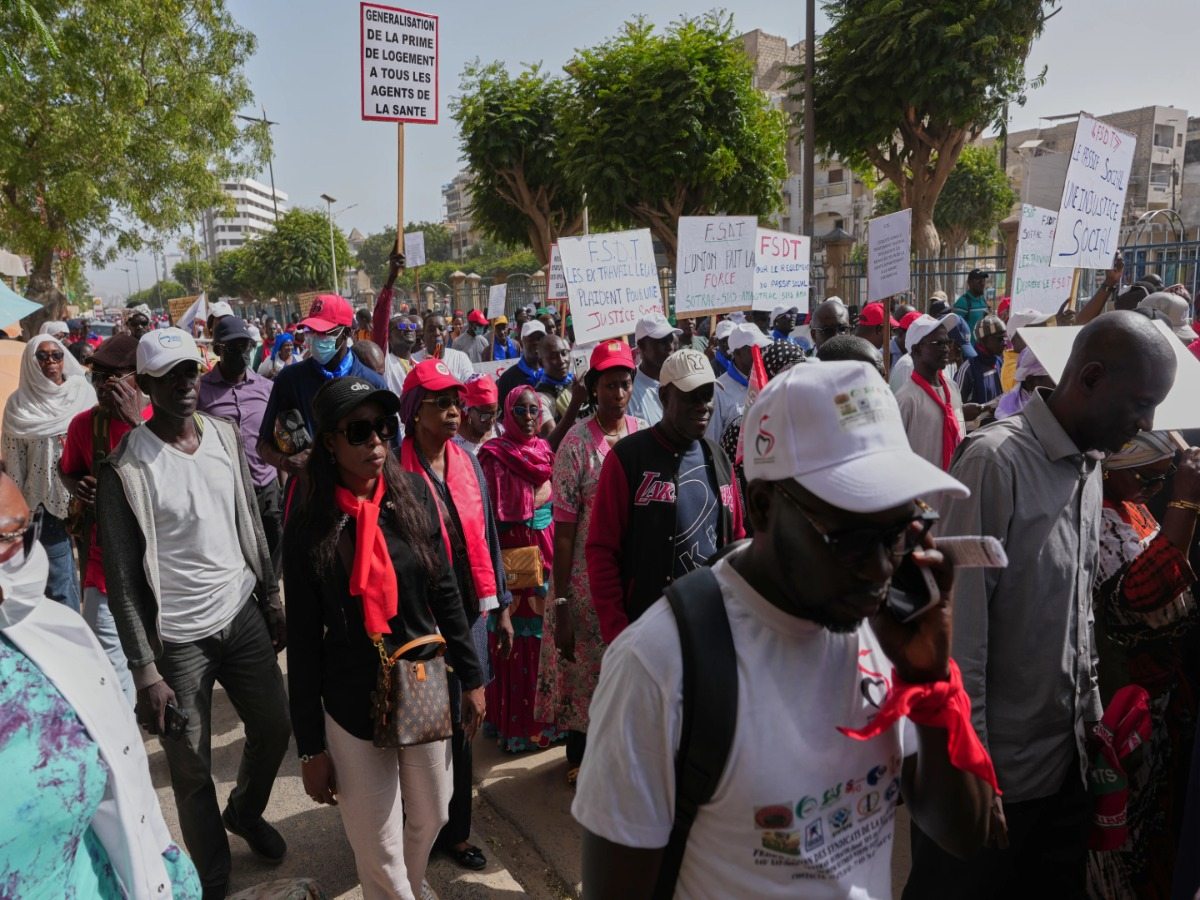
With workers threatening to proceed with the 72-hour strike, the coming days could prove crucial in determining whether negotiations can ease tensions between the unions and the authorities.
More Read

For now, the unions are maintaining pressure for the implementation of previously reached agreements and measures to address workers’ financial concerns, while the prospect of a nationwide strike raises questions about the potential impact on public services and the wider economy.
The outcome will depend on whether the authorities and union representatives can make progress towards resolving the dispute before the planned industrial action begins.