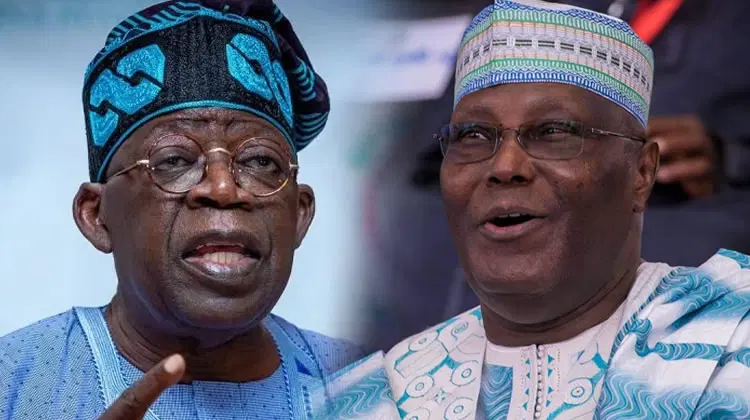
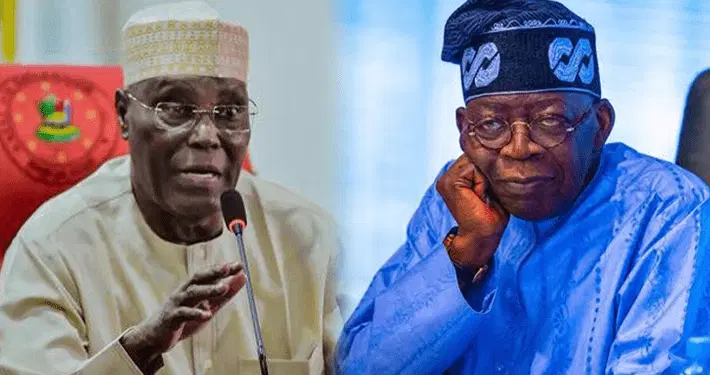
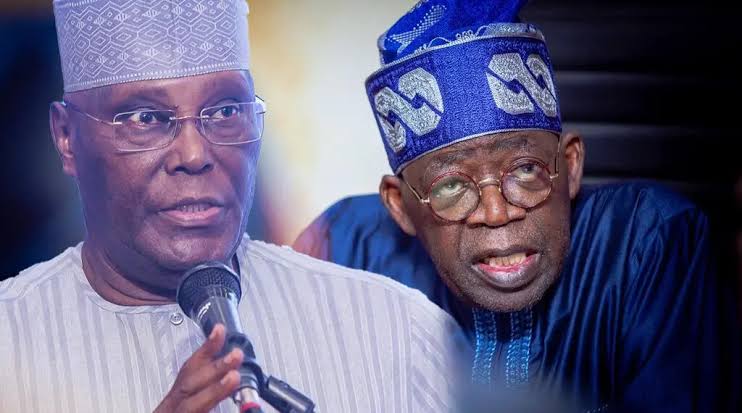
Former Vice President Atiku Abubakar has strongly criticized President Bola Tinubu’s request for a fresh $516 million external loan, warning that the move could worsen Nigeria’s already fragile debt profile.
The loan request, currently awaiting approval from the National Assembly, is intended to finance parts of the proposed Sokoto–Badagry Superhighway—an ambitious infrastructure project designed to connect Nigeria’s Northwest to the Southwest.
The development came to light on Thursday during plenary, when Senate President Godswill Akpabio read a letter from President Tinubu seeking legislative approval for the $516,333,070 facility.
According to the president’s request, the loan will be arranged through Deutsche Bank AG and backed by a partial risk guarantee from the Islamic Corporation for the Insurance of Investment and Export Credit (ICIEC), a subsidiary of the Islamic Development Bank.
More Read
Tinubu also disclosed that the Federal Government would provide counterpart funding of ₦265.54 billion to cover land acquisition, compensation, and other ancillary infrastructure tied to the project.
However, Atiku, through a statement issued by his Senior Special Assistant on Public Communication, Phrank Shaibu, faulted the borrowing plan, describing it as fiscally irresponsible despite the importance of the project.
While acknowledging the strategic value of the Sokoto–Badagry Superhighway, Atiku argued that “noble intentions cannot excuse reckless fiscal choices,” stressing that continued reliance on external borrowing could deepen Nigeria’s debt crisis.
More Read

He warned that the additional loan could further strain the country’s finances, particularly at a time when debt servicing already consumes a significant portion of government revenue.
The Sokoto–Badagry Superhighway is one of the flagship infrastructure projects of the Tinubu administration, aimed at boosting economic integration, easing transportation, and enhancing trade across regions.
The loan request is expected to generate debate among lawmakers as concerns over Nigeria’s rising debt burden continue to dominate public discourse.