Chernobyl, Ukraine — Four decades after the world’s worst nuclear disaster, a group of surviving “liquidators” — the men and women who risked their lives to contain the Chernobyl catastrophe — have returned to the exclusion zone, revisiting the site where history, sacrifice, and radiation collided.
In April 1986, Reactor No. 4 at the Chernobyl Nuclear Power Plant exploded, releasing massive amounts of radioactive material across the Soviet Union and Europe. In the aftermath, more than 600,000 liquidators were mobilized to extinguish fires, bury contaminated soil, and construct the concrete “sarcophagus” that still encases the reactor today.
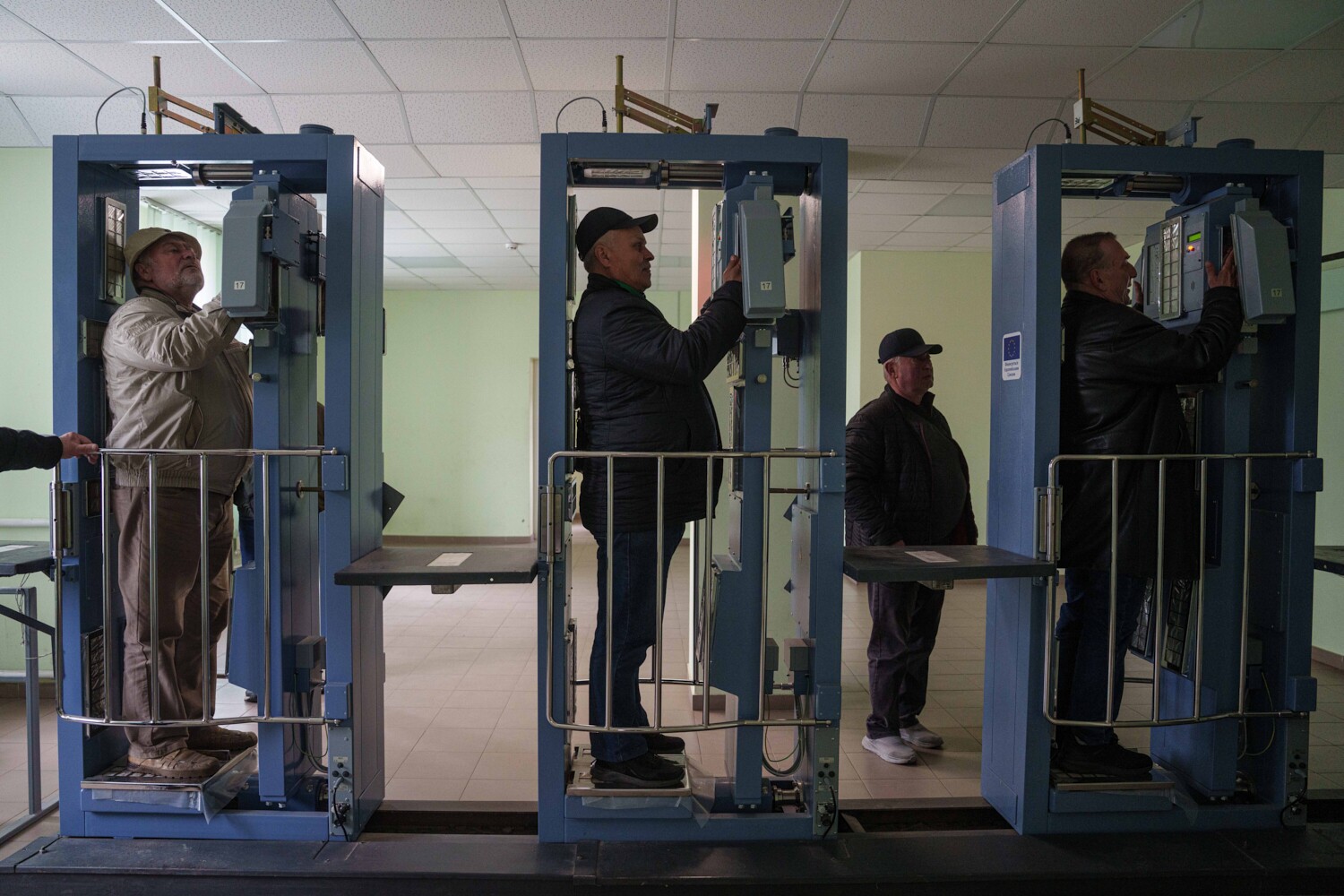
Now, 40 years later, a small group of these workers — many in their 60s, 70s, and older — have come back to the area, driven by memory, loss, and a need for closure.
“It feels like stepping into another life,” said one former firefighter who helped battle the initial blaze. “We didn’t think about danger back then. We were told to do a job, and we did it.”
The visit was both solemn and symbolic. Standing near the reactor, now covered by a massive steel confinement structure, the veterans observed moments of silence for fallen colleagues. Many liquidators suffered long-term health consequences due to radiation exposure, and thousands have since died.
The nearby ghost city of Pripyat — once home to nearly 50,000 people — remains frozen in time. Rusting amusement park rides, abandoned schools, and crumbling apartment blocks serve as stark reminders of the sudden evacuation that followed the disaster.
For the returning liquidators, the trip stirred a mix of pride and grief. “We saved millions of lives,” another participant said. “But we paid a price that cannot be measured.”
Ukrainian officials and historians say such commemorations are vital, especially as the passage of time risks fading public memory of the disaster’s scale and impact. The anniversary also comes amid ongoing global debates about nuclear energy, safety standards, and disaster preparedness.

Despite lingering radiation in parts of the exclusion zone, controlled visits have become more common in recent years. However, for those who once worked there under extreme conditions, this return carries a deeper emotional weight.
As the group departed, many expressed a sense of finality. “This may be the last time I come here,” one elderly liquidator said quietly. “But I needed to see it again — to remember, and to be remembered.”
Forty years on, Chernobyl remains a powerful symbol — not only of technological failure, but of human courage in the face of unimaginable crisis.