Fuel prices are expected to remain elevated in the coming weeks as uncertainty surrounds the fragile ceasefire between the United States and Iran, raising concerns about global oil supply and market stability.
Although oil prices initially dropped following the announcement of a temporary pause in hostilities, they quickly rebounded amid growing doubts over the durability of the agreement. Renewed tensions in the Middle East, including Israeli strikes on Lebanon and warnings of retaliation from Tehran, have shaken investor confidence and added pressure to already volatile energy markets.

A key point of concern is the Strait of Hormuz, one of the world’s most critical shipping routes for oil and gas. The ceasefire agreement included provisions to ensure safe passage through the strait. However, reports suggesting that Iran may restrict access due to ongoing regional tensions have heightened fears of prolonged supply disruptions.
These developments have had a direct impact on global oil prices. Brent crude rose by over 3% to nearly $98 per barrel, contributing to a broader increase of approximately 35% in wholesale oil prices since the conflict began. As crude oil is a primary component in fuel production, the surge has translated into higher petrol and diesel costs for consumers.
More Read

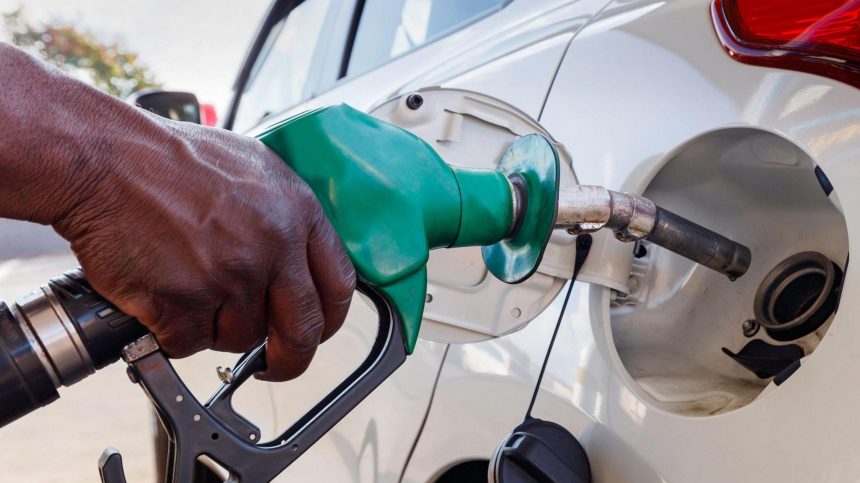
Motorists have already begun to feel the strain, with the cost of filling a full tank rising significantly since the onset of the conflict. Analysts warn that drivers should not expect immediate relief at the pump, as fuel pricing typically reflects wholesale cost changes with a delay of up to two weeks.
However, there is cautious optimism that prices could stabilize and potentially begin to decline in the near future—provided the ceasefire holds and tensions do not escalate further. Industry experts suggest that if wholesale fuel costs continue to ease, consumers may start to see modest reductions in pump prices over the coming weeks.
Despite this, the broader outlook remains uncertain. Shipping activity through the Strait of Hormuz remains below normal levels, and it could take weeks to clear the backlog of vessels and months for global trade flows to return to pre-crisis conditions.
More Read


Market analysts note that investor sentiment remains fragile, with global stock markets already showing signs of nervousness in response to the ongoing geopolitical risks. As negotiations continue, all eyes will be on developments in the region and their potential impact on energy supplies.
For now, motorists and businesses alike are bracing for continued high fuel costs, with hopes pinned on a lasting ceasefire to bring stability back to global energy markets.