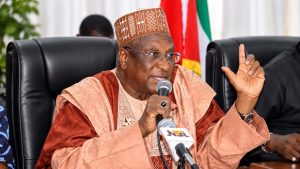
ABUJA — Kenneth Okonkwo, spokesperson for the Atiku Abubakar Presidential Campaign Council, has said the former Vice-President will reverse the Bola Tinubu administration’s floating exchange rate policy if elected president in 2027.
Okonkwo made the disclosure on Monday while appearing on AIT’s Democracy Today programme, where he criticized the Federal Government’s decision to allow market forces to play a major role in determining the value of the naira.
According to him, no responsible government should leave its currency completely exposed to market forces, arguing that defending the naira is a critical component of sound macroeconomic management.
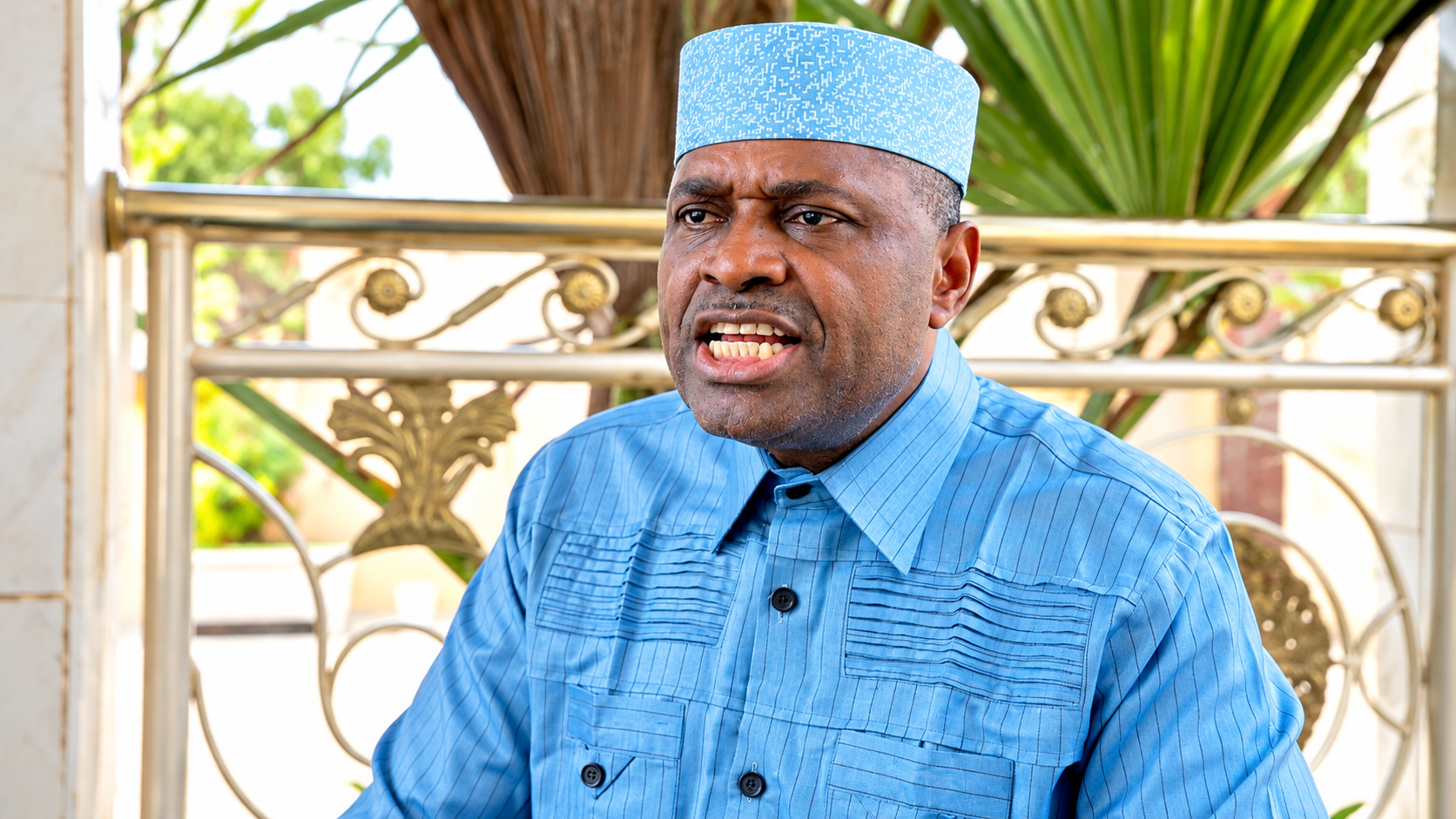
“No country in the whole world leaves their currency undefended,” Okonkwo said.
He maintained that the strength and stability of the naira remain fundamental to the health of the Nigerian economy, warning that a significant decline in the value of the currency could have far-reaching consequences for economic activity and the purchasing power of Nigerians.

“What did you call macroeconomic policy? The whole idea of macroeconomic policy is to defend your currency, because once your currency becomes like dust, nobody is going to desire it,” he said.
‘Why Wait for the Naira to Crumble?’
The Atiku campaign spokesperson also questioned the timing of government interventions in the foreign exchange market, particularly after the naira experienced significant depreciation following the introduction of the new foreign exchange regime.
“Have you forgotten when the naira was climbing almost to N2,000 per dollar? This government remembered to start defending the naira. Why wait for it to crumble?” he asked.
More Read

Okonkwo argued that a stronger domestic currency would be supported by increased exports and reduced dependence on imported goods.
“What makes your naira strong? When your export is more than your import, your currency starts gaining power,” he said.
He further criticized what he described as government policies encouraging imports, citing a reported N34 billion import waiver as an example of measures that, in his view, could undermine domestic production and weaken efforts to build a more productive economy.
Exports Surpass Imports
Okonkwo’s comments came despite recent data from the National Bureau of Statistics indicating that Nigeria’s exports had exceeded imports.
However, the former Labour Party presidential candidate dismissed the figures as insufficient evidence of meaningful economic progress, arguing that improved trade figures must ultimately translate into better living conditions for Nigerians.
“Not that you made any appreciable increase. It cannot be progress because life is still unaffordable,” he said.
More Read

His comments come as political parties and opposition figures intensify preparations for the 2027 presidential election, with competing political camps increasingly outlining alternative economic strategies to those of the Tinubu administration.
Atiku and Obi Differ on Exchange Rate Policy
Atiku’s position on the naira also differs from that of former Anambra State Governor Peter Obi, who has advocated retaining the floating exchange rate regime if elected president.
Obi has argued that government should not concentrate primarily on defending the naira. Instead, he has said his administration would focus on boosting productivity, strengthening the economy and increasing the country’s productive capacity, which he believes would ultimately improve the value of the currency.
The contrasting positions highlight a growing debate among Nigeria’s opposition politicians over how best to stabilize the naira, control inflation, attract investment and improve citizens’ purchasing power ahead of the 2027 election.
How the Floating Exchange Rate Began
The Central Bank of Nigeria introduced the “willing buyer, willing seller” model on June 14, 2023, shortly after President Bola Tinubu assumed office.
The reform was part of efforts to unify Nigeria’s multiple foreign exchange market segments and allow market forces to play a greater role in determining the value of the naira.
The policy was also designed to improve transparency, strengthen price discovery and address distortions associated with Nigeria’s previous multiple exchange-rate system.

The naira subsequently experienced significant depreciation.
According to CBN data, the exchange rate at the Investors’ and Exporters’ window closed at N770.88 per dollar at the end of June 2023, compared with N460 per dollar at the end of December 2022.
With the 2027 presidential election approaching, the exchange-rate regime is expected to remain one of the major economic issues in the political debate, as Nigerians assess competing proposals for restoring the purchasing power of the naira and reducing the cost of living.