For generations, traditional rainmakers across parts of Africa have been revered as spiritual figures believed to possess the power to summon or stop rainfall.
But as climate change brings increasingly unpredictable weather patterns, these traditional figures are finding themselves caught between ancient beliefs and the harsh realities of a changing climate.
In eastern Uganda, where millions of people depend heavily on agriculture, rainfall is far more than a weather event. It can determine whether families harvest enough food to survive or face hunger and economic hardship.
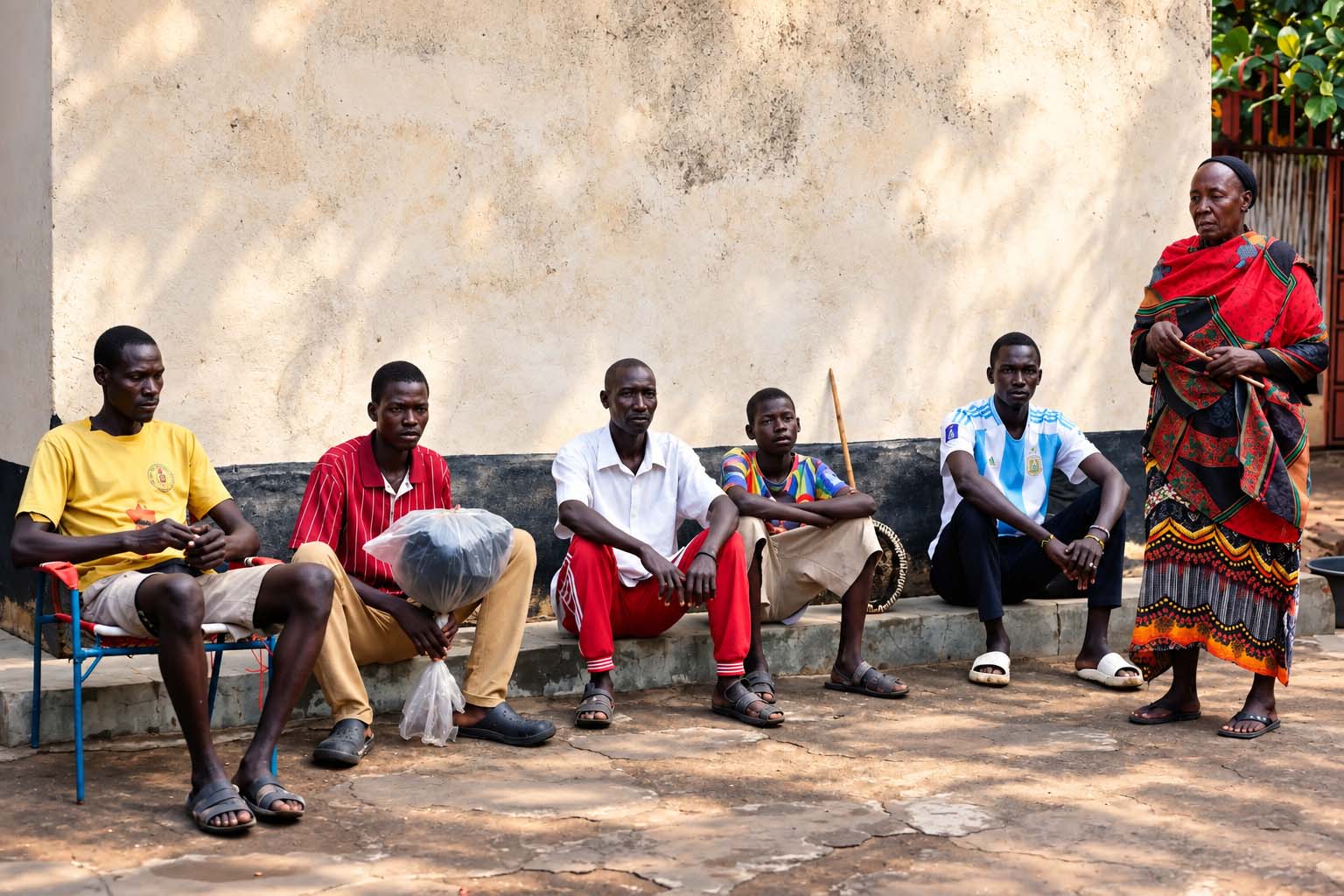
Communities in the region have traditionally turned to rainmakers, spiritual leaders whose abilities are often believed to be inherited through particular clans and passed from one generation to another.
More Read

According to elders within Uganda’s Inzu ya Masaba cultural community, becoming a rainmaker is not considered a personal choice but an ancestral calling.
Weyusya, an elder in the community, explained that individuals believed to possess rainmaking powers are connected to families that have traditionally held the responsibility.
He said the tradition is associated with what is known as “khumusambwa,” a spiritual force believed to enter an individual and enable them to perform rainmaking rituals.
More Read

But the growing unpredictability of the weather is putting these traditional beliefs under increasing pressure.
Across parts of sub-Saharan Africa, prolonged droughts, irregular rainfall and changing weather patterns have devastated crops and threatened the livelihoods of communities that depend on subsistence farming.
When expected rains fail to arrive, some communities have reportedly turned their frustration toward the people they believe are responsible for controlling the weather.
In South Sudan, which shares a border with Uganda, at least two rainmakers have reportedly been killed in recent years amid tensions surrounding failed rainfall.
The situation has highlighted the dangerous consequences that can arise when traditional beliefs collide with desperation caused by drought and food insecurity.
Rainmakers Defend Their Powers
Despite growing criticism, some rainmakers insist that their abilities are genuine.
More Read

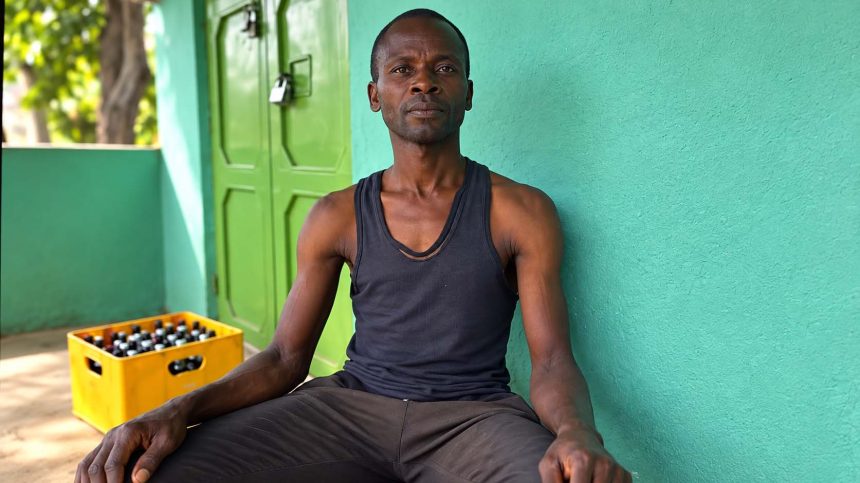
Rainmaker Kilindon Simiyu said he acquired the power to make rain and uses herbs and traditional rituals to summon or stop rainfall.
He maintains that rainmaking is an inherited spiritual practice rather than a profession someone simply chooses.
In Uganda, however, rainmakers have generally not faced the same level of violence reported in South Sudan, although some have reportedly been assaulted or accused of collecting money under false pretences.
People seeking their services are sometimes required to pay fees, with reported amounts ranging from relatively small sums to several hundred dollars.
One rainmaker, David Nabutsilili, was reportedly paid about $260 to prevent rainfall during a campaign visit by President Yoweri Museveni.
According to reports, it did not rain that day.
However, such financial arrangements can also create tension, particularly when communities believe a rainmaker has failed to deliver the expected results.
A Tradition Still Trusted by Some Villagers
Despite criticism and skepticism, some residents continue to believe that rainmakers can influence rainfall.
Isaac Watenga, a resident of Namisindwa, said rainmakers still provide hope to communities experiencing drought.
He argued that even when rainfall is limited, the occasional showers following rainmaking rituals can help crops survive.
For some rainmakers, their reputation is built on years of stories surrounding their abilities.
Nabutsilili, who is known for walking barefoot, is regarded by some residents as particularly powerful.
The 45-year-old claims that he can summon rain without necessarily travelling to the waterfalls where other rainmakers traditionally conduct their rituals.
He says his connection to rainmaking began during childhood, when mysterious wounds appeared on his legs and he subsequently became associated with the ancestral spirit.
Nabutsilili also recalls an incident in which he allegedly caused heavy rainfall after becoming angry with members of his community.
According to his account, the rain became so intense that it damaged crops and gardens.
He said angry residents later chased him from the area, during which he fell and broke his leg. He was eventually taken to Mbale Main Hospital for treatment.
Rivalry Among Rainmakers
Rainmaking traditions have also reportedly generated competition among practitioners.
In the village of Namatsokha, there are said to be at least four rainmakers, with competing claims over their abilities sometimes creating tensions.
Simiyu, a 30-year-old rainmaker, said practitioners can sometimes attempt to discredit one another.
He explained that associations involving rainmakers have helped reduce some of these tensions by bringing practitioners together.
But even the rainmakers have been unable to escape the consequences of changing weather patterns.
Namatsokha recently experienced one of the driest periods remembered by local residents, raising fresh questions about the ability of traditional rainmaking practices to influence increasingly unpredictable weather.
Science Versus Tradition
For cultural elders such as Weyusya, the debate should not simply be about whether rainmakers succeed or fail.
He points out that even modern scientists sometimes make weather predictions that do not materialise.
According to him, the failure of a prediction does not necessarily mean that the person making it should be punished.
His argument is that rainmakers should be viewed in much the same way.
The comparison highlights a broader debate taking place across Africa: how traditional beliefs should coexist with modern scientific understanding of weather and climate.
Scientists attribute changing rainfall patterns and increasing weather extremes to broader climate and environmental changes, while traditional communities may interpret the same events through spiritual and cultural beliefs.
A Dangerous Responsibility
For farming communities struggling with drought, however, the distinction between belief and science can become complicated.
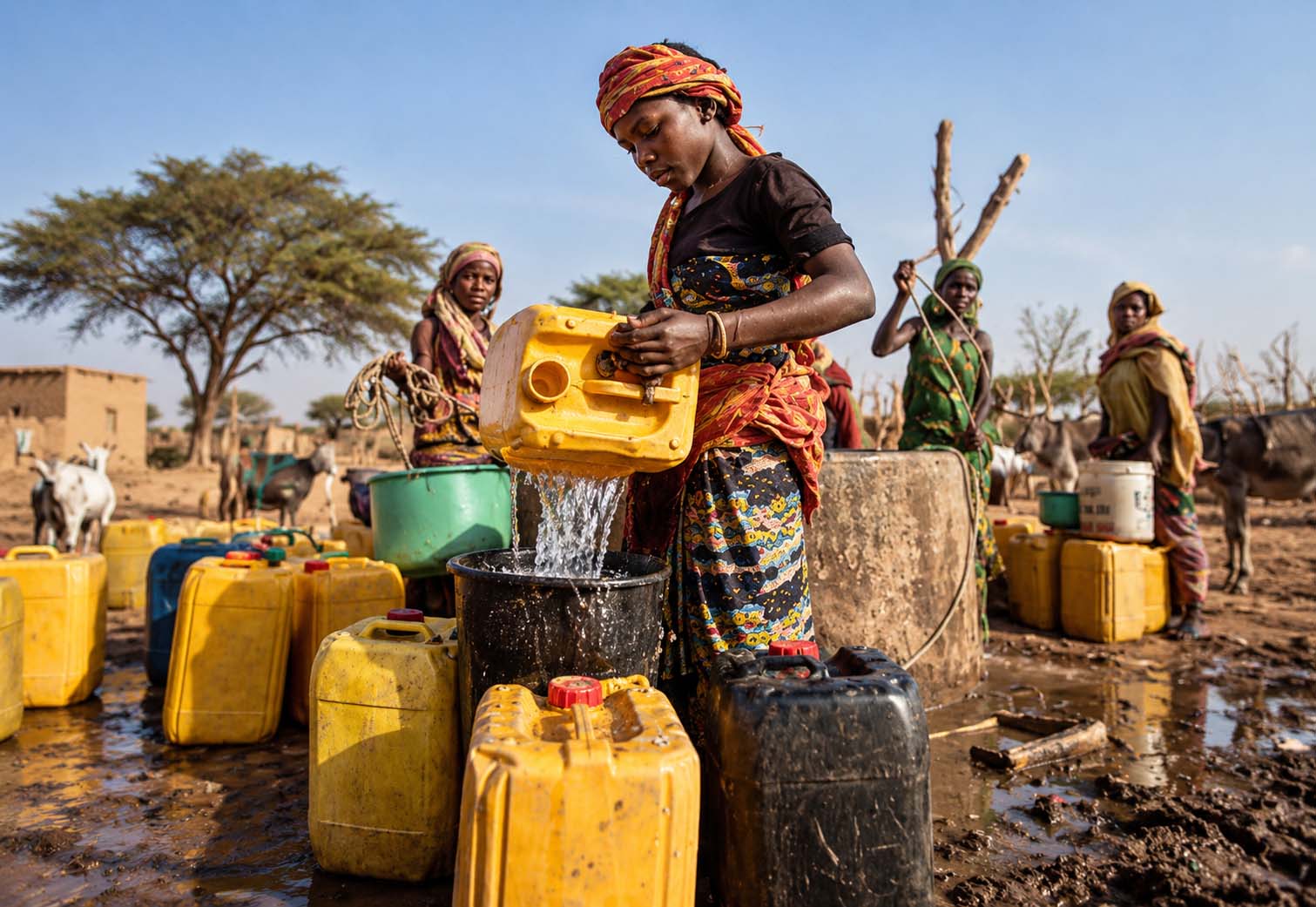
A failed rainy season can mean destroyed crops, livestock losses, food shortages and lost income.
That desperation can make people more likely to search for someone—or something—to blame.
Rainmakers therefore find themselves occupying a dangerous position.
When their rituals appear to coincide with rainfall, they may be celebrated and rewarded.
But when the rains fail, the same people who once sought their help may accuse them of incompetence, deception or deliberately withholding rain.
Some rainmakers say they have accepted this uncertainty as part of their calling.
Nabutsilili says the work requires patience because rain may not always arrive immediately after a ritual.
He says rainfall can begin with light drizzle before eventually becoming heavy enough to benefit farmers.
When rain eventually comes, he says villagers sometimes show their appreciation by offering drinks and other gifts.
For these traditional practitioners, such moments remain evidence that their work continues to have meaning.
But as Africa confronts increasingly unpredictable weather and more frequent droughts, rainmakers may face an uncomfortable future.
Their communities continue to look toward them for answers.
The skies, however, remain beyond anyone’s command.
And when the rain refuses to come, the consequences can be far more serious than disappointment.