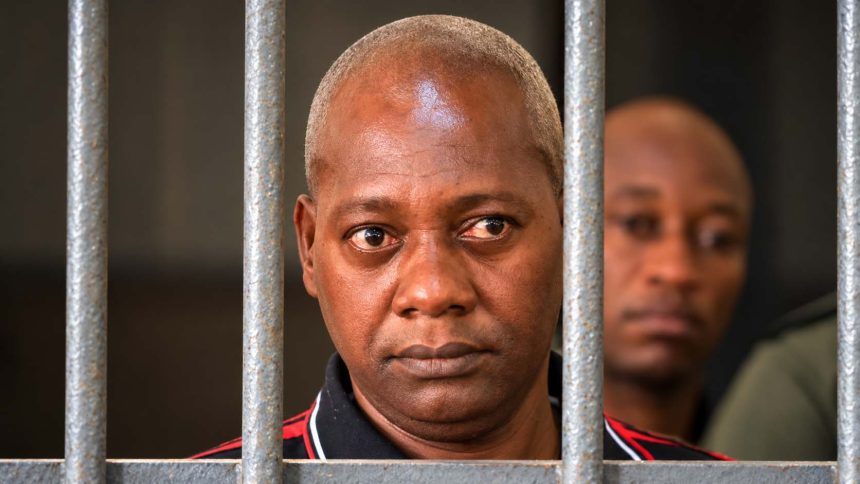
A Kenyan court has begun delivering its judgment in the high-profile murder trial of self-proclaimed preacher Paul Nthenge Mackenzie and 30 co-accused over the deaths of 191 people, including 190 children, in the Shakahola Forest tragedy that shocked the country and drew international attention.
The judgment is being delivered at the Mombasa Law Courts on Monday, October 19, 2026, by Justice Diana Kavedza-Mochache. The case centres on allegations that Mackenzie and his associates encouraged followers to fast to death in the belief that they would meet Jesus Christ.
The court’s decision follows a lengthy trial involving testimony from survivors, relatives of victims, investigators and expert witnesses. The prosecution called 121 witnesses and presented evidence, including post-mortem reports and forensic findings, in support of the murder charges.
Court Hears Details of Alleged Religious Indoctrination
During the judgment, Justice Mochache described how Mackenzie allegedly encouraged followers to reject government institutions and abandon conventional living in preparation for what he preached would be the end of the world.
More Read

According to the court’s account, followers were encouraged to sell their properties and relocate to Shakahola Forest, where they gathered regularly to listen to Mackenzie’s sermons.
The judge also addressed allegations that children were withdrawn from school, medical treatment was discouraged and families were subjected to prolonged fasting. She described how children seeking food were allegedly beaten, while their natural instinct to survive was treated as an obstacle to the group’s beliefs.
The court’s findings form part of the detailed judgment examining the evidence presented against Mackenzie and his co-accused.
More Read

More Than 400 Bodies Recovered From Shakahola Forest
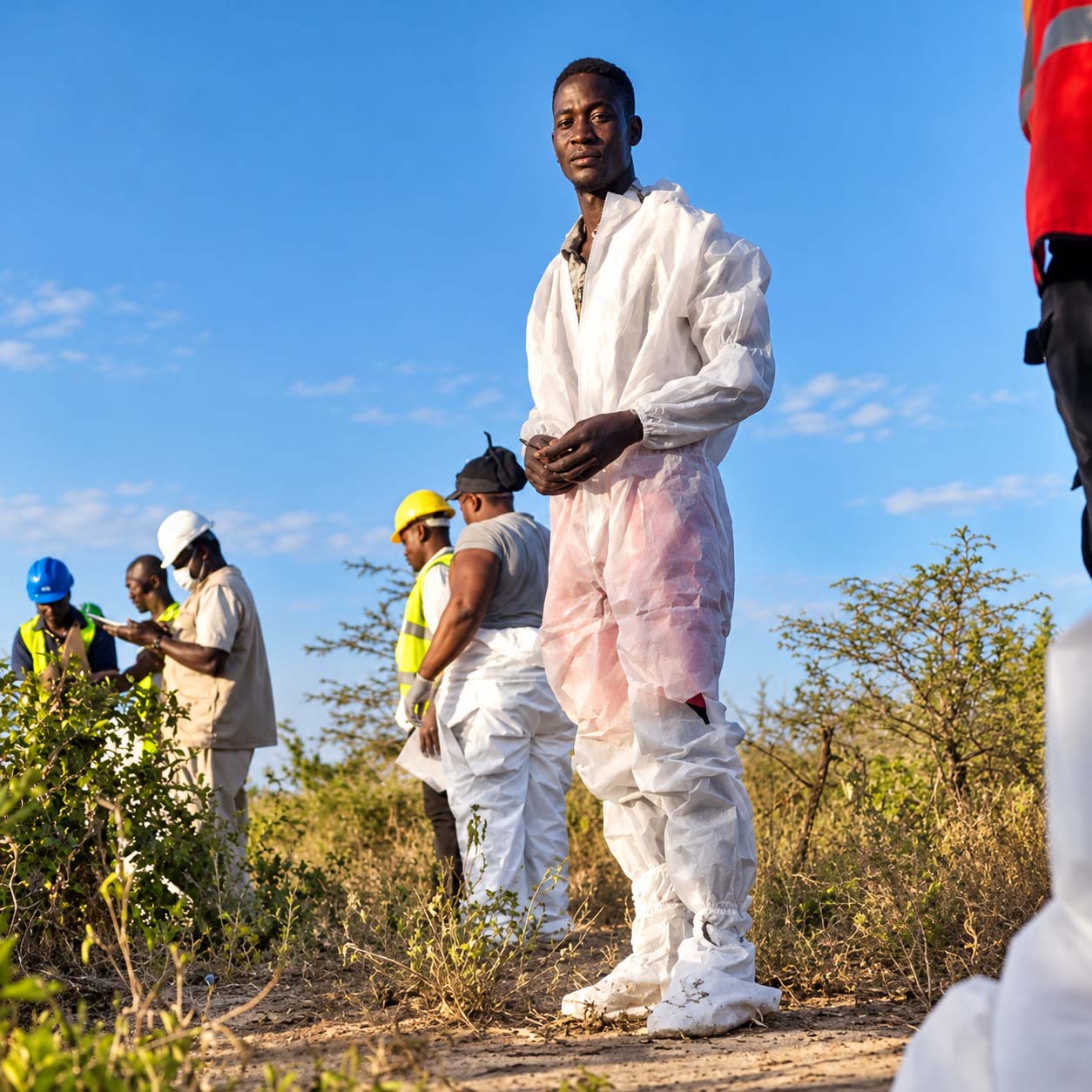
The case emerged in 2023 after authorities began investigating reports of deaths and exhuming bodies from shallow graves in Shakahola Forest, in Kilifi County, near the coastal town of Malindi.
Investigations eventually led to the recovery of more than 400 bodies from the area, including those of children, women and men. The wider investigation became one of Kenya’s most disturbing cases involving alleged religious extremism and the exploitation of vulnerable followers.
The 191 murder charges in the present trial concern 190 children and one adult. Many of the victims’ identities have remained unknown, complicating efforts by families to establish the fate of their missing relatives.
The deaths triggered widespread public outrage and renewed debate about the oversight of religious organisations, the protection of children and the responsibility of authorities to respond to warning signs of abuse.
Families Continue to Bear the Cost of the Tragedy
Beyond the courtroom proceedings, the tragedy has left surviving relatives and former members of Mackenzie’s religious movement grappling with devastating losses.
One of the most painful accounts involved Stephen Mwiti, who said he lost all six of his children after they became associated with the group. He reportedly recovered and buried the remains of only one of them.
More Read

Other survivors have described how the group’s teachings influenced decisions about healthcare, education and prolonged fasting. Some former followers have also spoken about their continued loyalty to Mackenzie, highlighting the complex psychological, social and religious bonds that can persist even after catastrophic events.
These accounts have placed the experiences of victims and survivors at the centre of public attention as the court considers the allegations and evidence.
Defence Maintains Innocence
Mackenzie and his co-accused have pleaded not guilty to the murder charges, maintaining their position against the allegations.
The prosecution, meanwhile, has urged the court to convict the accused, arguing that the evidence presented during the trial establishes their criminal responsibility for the deaths.
In April 2026, the court ruled that the prosecution had established a prima facie case, requiring the accused to present their defence. That decision allowed the proceedings to advance but was not itself a determination of guilt.
Mackenzie also faces separate legal proceedings involving other alleged offences connected to the Shakahola deaths and the activities of his religious movement.
Judgment Remains a Major Test for Kenya’s Justice System
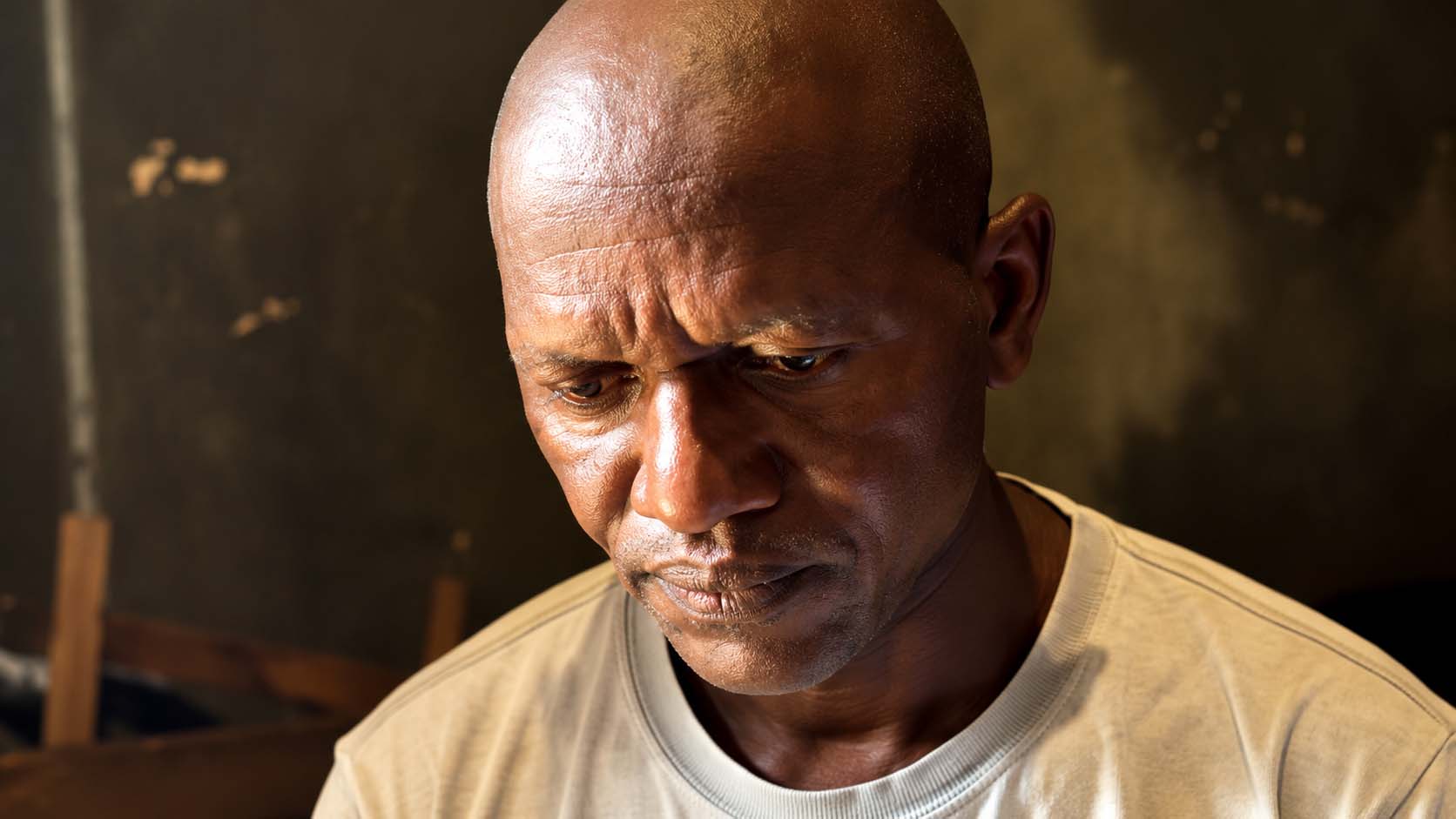
The judgment is being closely watched in Kenya and internationally because of the number of victims, the large number of accused persons and the serious questions raised about religious indoctrination and child protection.
As of the latest report published on October 19, 2026, Justice Mochache was still reading the lengthy judgment, meaning the final verdict had not yet been confirmed in the available reporting.
The court’s eventual determination will establish whether the prosecution has proved the murder charges against Mackenzie and his co-accused beyond reasonable doubt.
For the families of the victims, the proceedings represent a significant step in the search for justice following a tragedy that claimed hundreds of lives and exposed the devastating consequences that alleged extremist beliefs can have on vulnerable communities.