ABUJA — The Nigeria Labour Congress (NLC) has called on the Federal Government to introduce reasonable wage awards for workers as part of urgent measures to cushion the impact of rising petrol prices and worsening economic hardship across the country.
The labour union also urged the government to sell sufficient crude oil in naira to local refineries and expand Nigeria’s national petroleum storage capacity to strengthen the country’s ability to respond to energy emergencies.
The demands were contained in a statement titled “Save the Situation Now,” signed by NLC President Joe Ajaero.
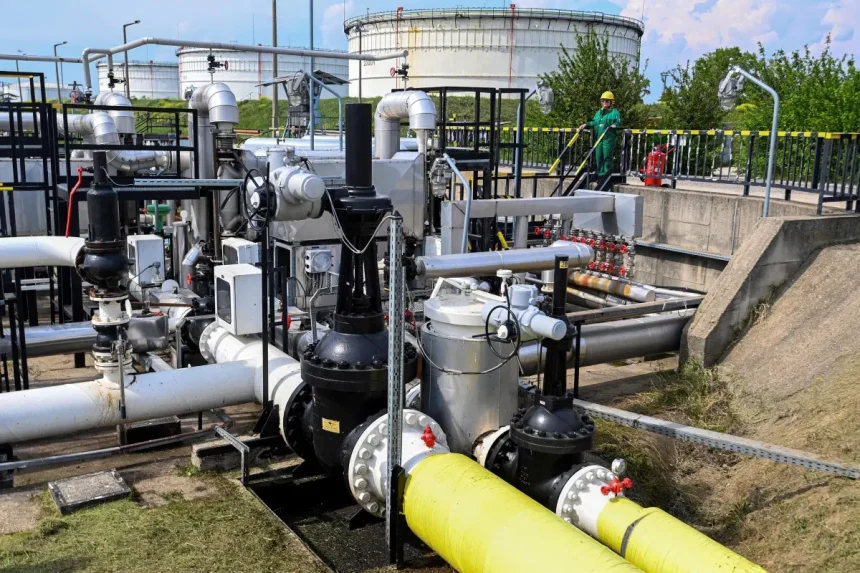
The NLC expressed concern over the latest surge in petrol prices, noting that the product now sells for about N1,430 per litre in some major cities, with prices reportedly higher in less accessible locations.
According to the union, the rising cost of petrol is having a direct impact on workers’ wages and the general standard of living.
“It is an established fact that when transportation costs go up, everything else follows, including school fees, rents, tariffs, foodstuff, etc.”
The NLC argued that the latest increase was particularly troubling because it followed efforts by the government to persuade petroleum marketers to reduce pump prices in response to declining international crude oil prices.
The union attributed the latest pressure partly to the resurgence of conflict in the Gulf, but maintained that Nigeria, as an oil-producing country with local refining capacity, should have mechanisms to protect its citizens from international energy shocks.
The labour movement therefore called for the immediate implementation of three key measures: wage awards for workers, the sale of crude oil in naira to domestic refineries, and the expansion of national petroleum storage capacity.
It said the measures could help create jobs, generate economic value and strengthen Nigeria’s energy security.
The NLC also defended government intervention to cushion citizens during periods of severe economic pressure, arguing that subsidies or other forms of intervention should not automatically be ruled out during emergencies.
“There is nothing wrong with the government subsidising the needs of citizens, especially in emergency situations like this,” the union said.
The labour body further argued that several oil-producing countries have introduced interventions or palliatives to protect their populations from the effects of global energy-market disruptions.
It also pointed to what it described as additional government revenue arising from international crude oil prices being above the level used in Nigeria’s budget projections.
According to the NLC, the government is earning an estimated $35 to $40 per barrel above the budgeted crude price, which it said could translate into trillions of naira in additional monthly revenue.
The union maintained that such revenue represented a windfall that should provide room for measures aimed at shielding Nigerians from the impact of rising energy and transportation costs.
The NLC’s intervention comes amid continued concerns over the effect of petrol prices on transportation, food prices, household expenses and workers’ purchasing power.