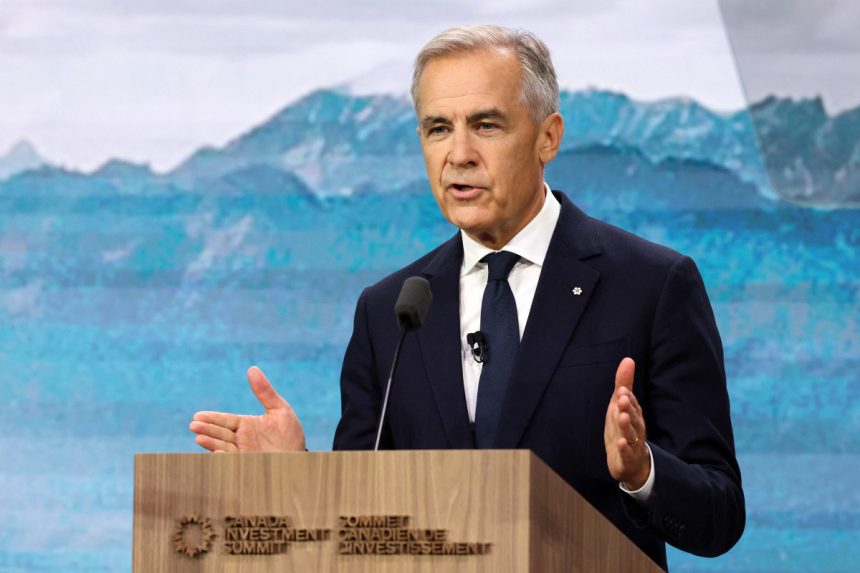
OTTAWA — Canadian Prime Minister Mark Carney has described the possibility of Canada becoming an associate member of the European Union as a potentially positive step, signaling Ottawa’s interest in strengthening its economic and strategic ties with Europe.
Carney’s remarks come amid growing discussions about how Canada could deepen cooperation with European countries at a time of shifting global alliances, trade tensions and uncertainty in relations with some of its traditional partners.
Speaking on the prospect of closer ties with the European Union, Carney said an associate membership arrangement could provide Canada with new opportunities while allowing the country to maintain its sovereignty and independent decision-making.
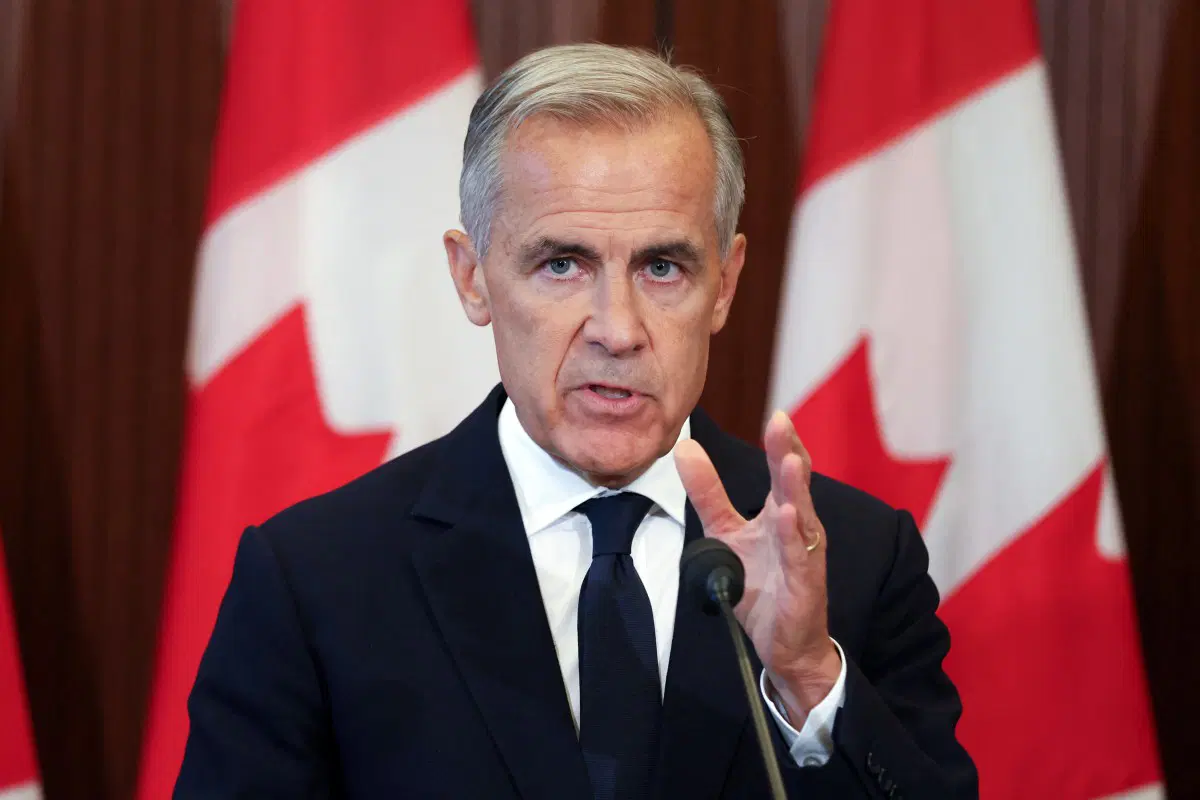
An associate membership model could potentially give Canada greater access to European economic and institutional cooperation without making the country a full member of the bloc.
More Read

The proposal would represent an unusual development in international relations, given that Canada is geographically outside Europe. However, Ottawa and Brussels already maintain extensive relations through trade, investment, security cooperation and diplomatic partnerships.
Canada and the EU are linked by the Comprehensive Economic and Trade Agreement, known as CETA, which aims to facilitate trade and investment between the two sides.
Carney’s comments have therefore drawn attention to the possibility of expanding the relationship beyond existing trade arrangements.
More Read

The Canadian government has increasingly emphasized the need to diversify the country’s international economic partnerships and strengthen cooperation with like-minded countries.
Closer engagement with the European Union could potentially involve cooperation in areas such as trade, energy, defence, technology, climate policy, research and supply-chain security.
The idea, however, would require substantial negotiations before any formal arrangement could be established. EU membership itself is governed by treaty provisions and is designed for European states, meaning an associate relationship would likely require a distinct legal and political framework.
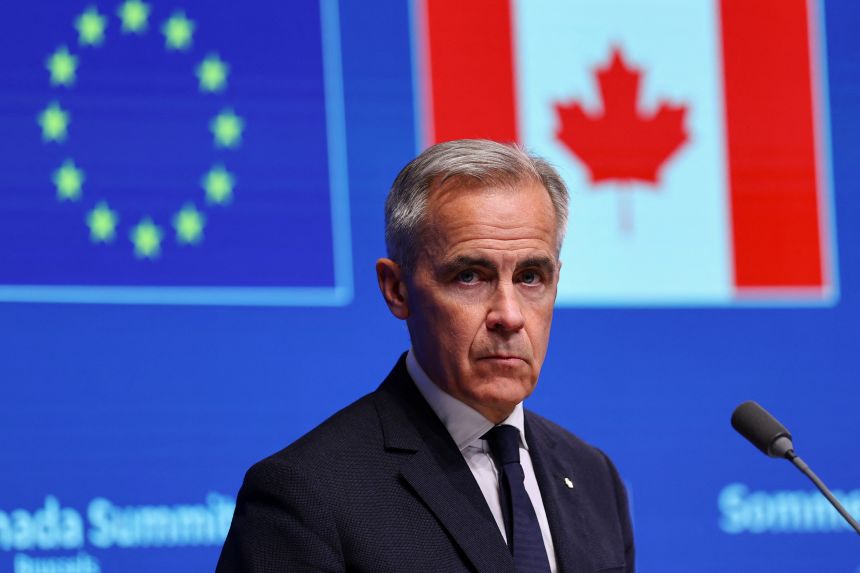
For Canada, the prospect could provide another avenue for strengthening its links with European economies while maintaining its existing relationships across North America and the wider international community.
The European Union has not indicated that Canada is being offered associate membership, and any such arrangement would depend on negotiations and agreement between Ottawa and EU institutions and member states.

Carney’s comments nonetheless underscore Canada’s interest in building deeper relationships with Europe as the global economic and geopolitical landscape continues to evolve.