Mali’s military leadership is under mounting pressure after a wave of coordinated attacks by jihadist fighters and Tuareg separatists triggered one of the country’s most serious security crises in over a decade.
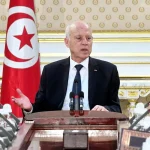
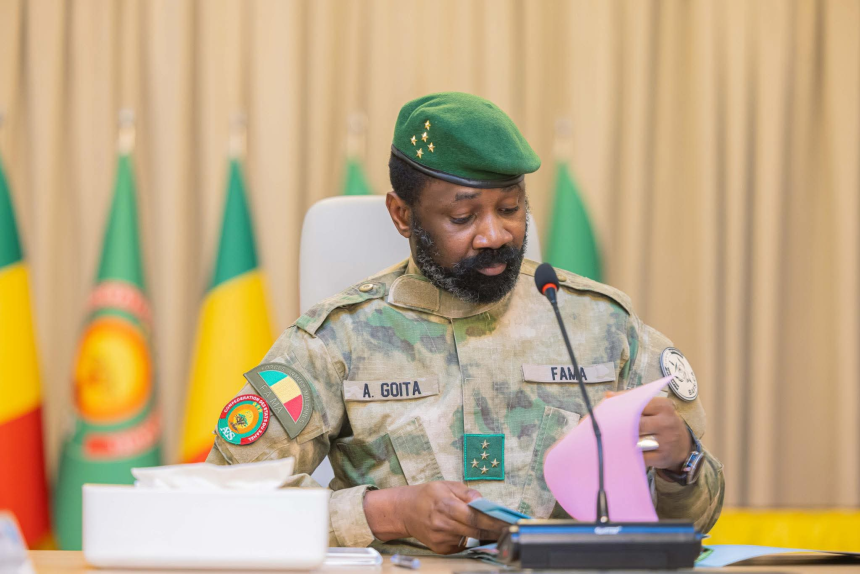
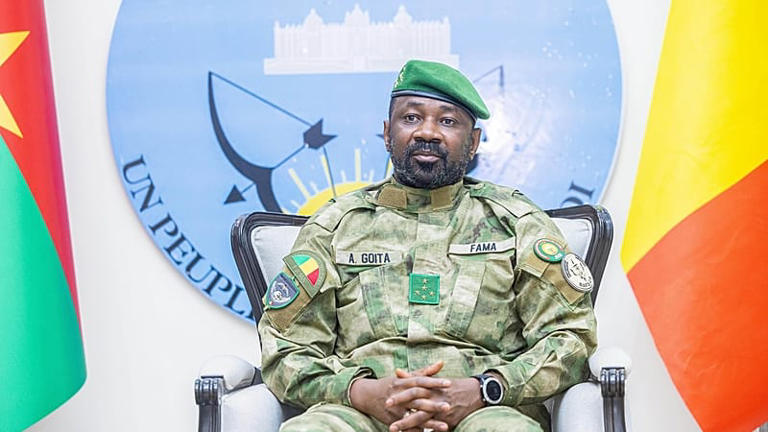
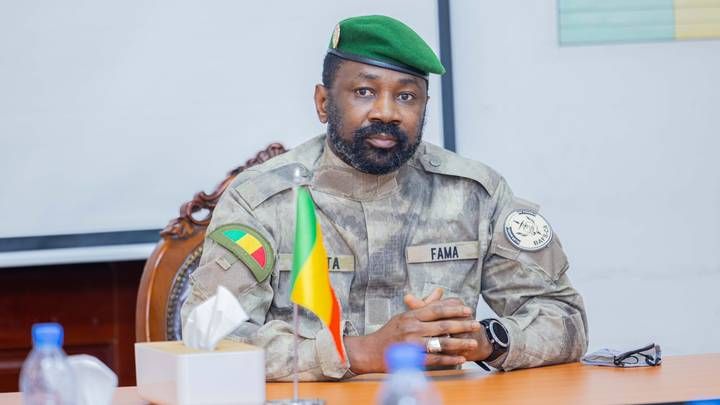
Interim leader Colonel Assimi Goïta, who had not been seen publicly since the weekend violence erupted, reappeared on Tuesday in photos released by his office showing him meeting Russia’s ambassador. The meeting comes amid growing concerns over stability in the West African nation and signals ongoing ties between Mali’s ruling junta and Moscow.
The attacks, described by analysts as the largest in nearly 15 years, mark a dangerous shift in the conflict. Former rival groups—Tuareg separatists and Islamist militants linked to Al-Qaeda—have reportedly joined forces against the government. The alliance has intensified fighting across northern Mali and raised fears of further escalation.
At the center of the crisis is the fall of Kidal, a strategic northern town long contested in Mali’s insurgency. Tuareg rebels from the Azawad Liberation Front (FLA), allied with the Al-Qaeda-linked Group for the Support of Islam and Muslims (JNIM), have taken control of the city after fierce clashes.
More Read
Russia’s defence ministry confirmed that its paramilitary forces, known as the Africa Corps, were forced to withdraw from Kidal, underscoring a significant setback for both Moscow and the Malian junta. The ministry warned that rebel fighters are now “regrouping” and that the situation on the ground “remains difficult.”
The violence has also dealt a heavy blow to Mali’s leadership. Defence Minister Sadio Camara, widely regarded as the architect of the country’s pivot toward Russia, was reportedly killed during two days of intense fighting.
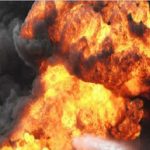
Alarmingly, the conflict appears to be spreading beyond the north. According to Russia’s defence ministry, armed groups made attempts to strike key installations in the capital, Bamako, including the presidential palace—an unprecedented escalation that highlights the vulnerability of the central government.
More Read

Russia, a key ally of Mali’s military rulers since their break with Western partners, has called for stability but now faces growing challenges in supporting the junta militarily.
The unfolding crisis raises serious questions about the junta’s ability to maintain control, as well as the effectiveness of its reliance on Russian support. With rebel forces gaining ground and expanding their reach, Mali risks sliding deeper into instability in the coming weeks.